


Way out of public view, thousands of planners and front-line servicemembers at US Central Command are waging a methodical military campaign against the despotic government of Iran. Nobody has said what their timeline is, but there certainly is one. Many timelines, in fact. Military campaigns develop in overlapping phases, and it’s a safe bet that the full war plan for Iran is meant to last several months.
President Trump has a different timeline, borne of the dreadfully poor preparations he and his civilian advisers—including Defense Secretary Pete Hegseth—made for an ugly war. From the beginning of the war he launched on February 28, Trump has set laughably unrealistic goals for what he expects military action against Iran to accomplish. Trump also badly misjudged the risks and blew off the many experts who predicted for decades that Iran, if attacked, would shut the Strait of Hormuz, causing a global energy shock. That’s exactly what it did.
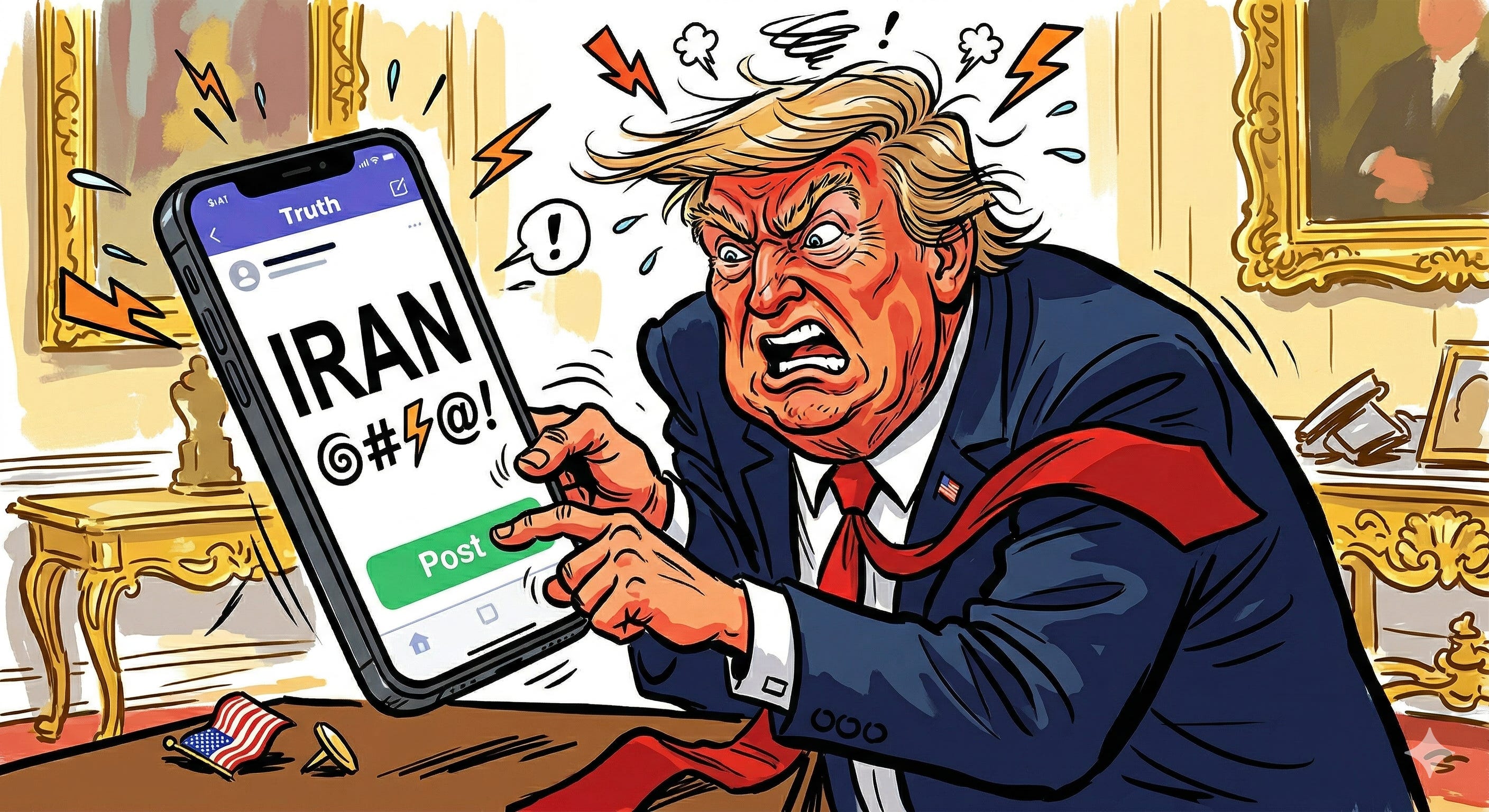
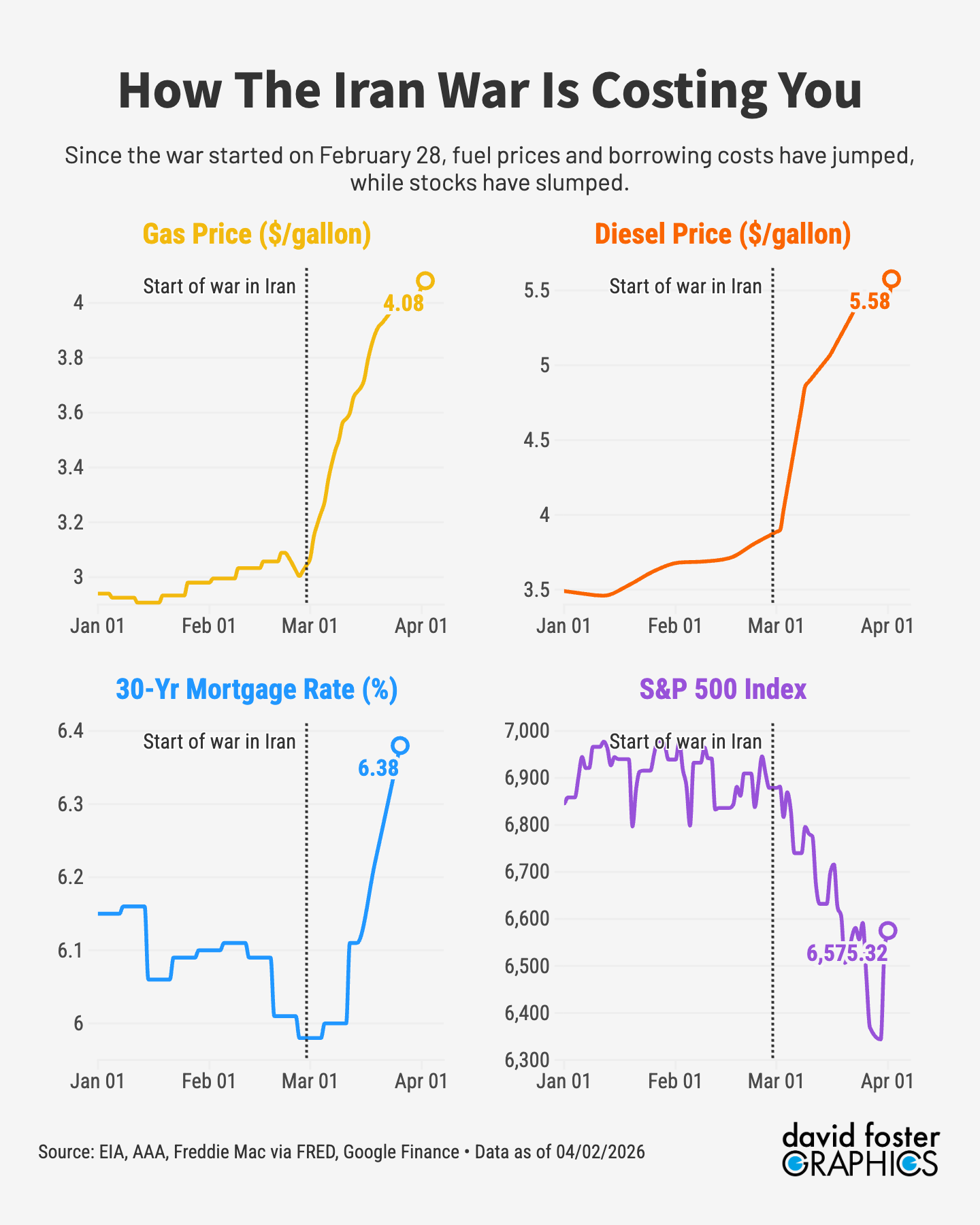
With oil prices now well over $100 per barrel and his approval rating sinking, Trump is suddenly in a hurry to end the war. So we get desperate threats, such as “a whole civilization will die tonight,” his April 7 social-media post warning of … well, who knows what, if Iran doesn’t fully open the Strait of Hormuz by 8 pm, Washington DC time on that day.
[See the economic costs of the Iran war, in 11 charts]
Why April 7? Why 8 pm? No reason, except Trump’s impatience. But it probably won’t actually be April 7. This deadline will most likely come and go like a bunch of others, with no decisive action at all, and more deadlines to follow. The whole Iran war, in fact, is becoming a farcical effort by an increasingly shrill Trump to threaten his way out of one of the worst jams he ever put himself in.
Let’s review Trump’s Strait of Hormuz ultimatums, so far. The first one came on March 21, when Trump gave Iran 48 hours to reopen the strait or else US forces would “obliterate” the country’s power plants. As the March 23 deadline drew near, Trump delayed for another five days, saying there were “productive talks” with Iran. That was probably a lie. There’s no evidence there have been any meaningful negotiations with Iran.
On March 26, Trump delayed his ultimatum again, this time until April 6. Then on April 5, Trump moved his deadline to April 7. Trump’s threats, meanwhile, are becoming increasingly hysterical, as if Iran will fold once Trump just screams loud enough on social media.
[Why Trump should fire Hegseth]
Trump’s threats and ultimatums are never going to be the thing that reopens the Strait of Hormuz. In fact, they’re giving Iran leverage. Iran is betting that the longer it controls the strait, and the higher oil prices go, the more desperate Trump will get, and the more likely he will be to make a cease-fire deal they can live with. Trump’s manic demands play right into the enemy’s strategy.
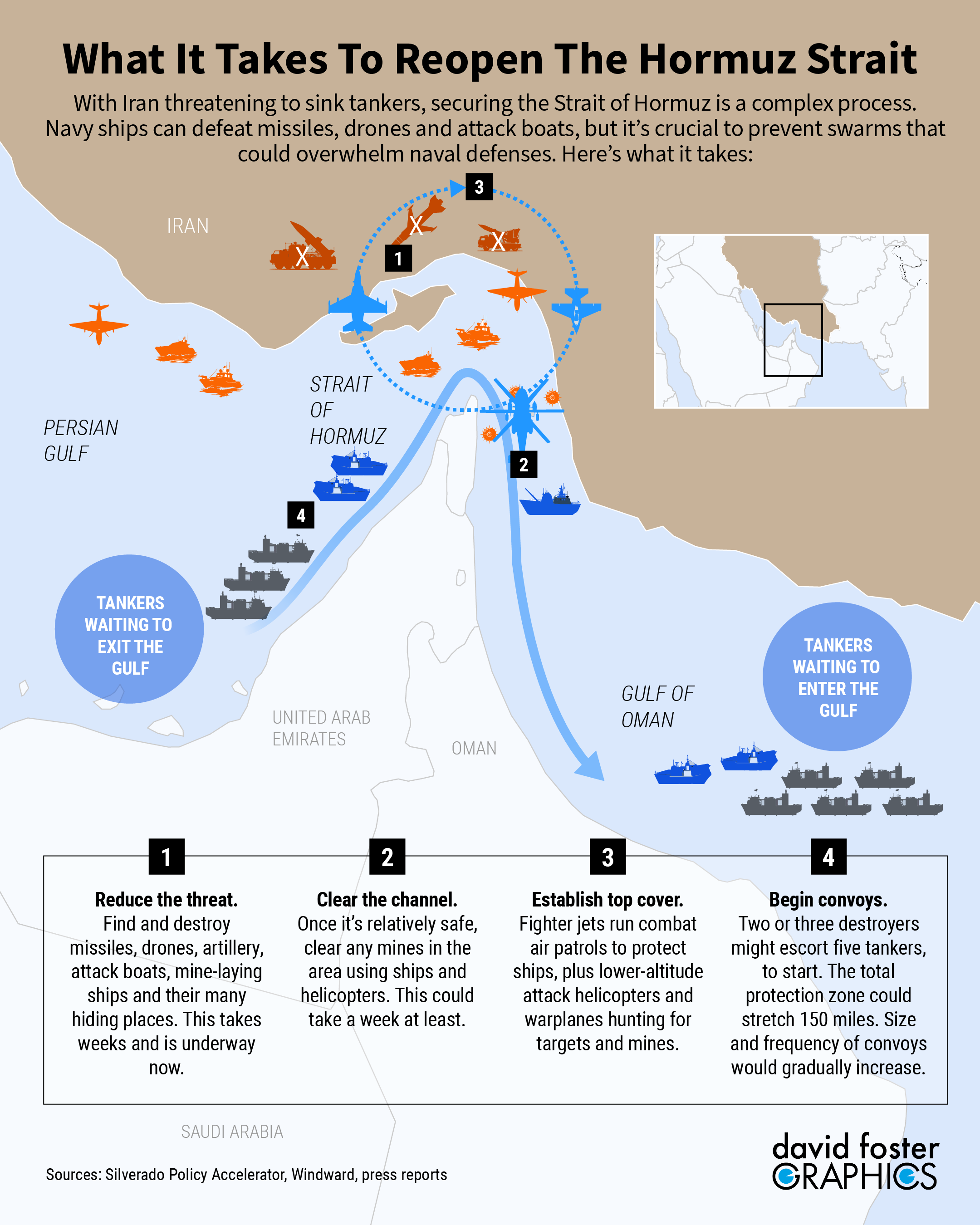
Here’s how a more competent president would have approached this war: Start by meshing public statements with the military timeline. If it’s going to take the military two or three months—or even six—to root out all the threats to shipping through the Strait of Hormuz, then set that as a public expectation.
Next: Understand the enemy better. As numerous experts continually remind us, the Iranian regime cares about one thing above everything else: its own survival. They will always call Trump’s bluff when the alternative is agreeing to terms that could bring about their own demise.
Finally: STFU. Trump’s panicky bleats are a demonstration of weakness, not strength. And every time Trump sets a deadline that Iran fails to meet, his credibility drops by a notch, making the next deadline even sillier.
[See what it will really take to reopen the Strait of Hormuz]
Trump, of course, is an incurable loudmouth who actually thinks he’s a great dealmaker. So the media has to treat every Trump deadline like it’s the story of the century, with something decisive really about to happen, over and over and over. Traders fixate on Trump’s shifting deadlines as if every one of them is a huge market-moving event. All of it contributes to a false construct in which the outcome of the war will be determined by whether Iran caves to Trump at a moment of Trump’s choosing.
The military timeline is the one that really matters. We don’t know exactly what it is, except that it’s longer than Trump’s. At some point, the two timelines might merge. But that will probably be many more unmet Trump deadlines into the future.
He is advised about the WAR by Pete and, you no Hegseth saying prayers that we kill them all and, leave no one alive.This is the same nonsense that the mulla's want to do too Jerusalem.I am just saying both of these people are unqualified for the positions they have but we voted for them and, now we have to live with them.
I have one for you since I have followed you for years. Iran is a place that regime’s change. President Jimmy Carter lost to the republicans least favored candidate from the sunshine and hippie state