


A lot of stuff has been breaking lately, taking down the air traffic control system, bank ATMs, business software, entertainment platforms, and even highly classified government intelligence systems. Experts say it’s probably not a coordinated effort to bring America down. More likely, a lot of outdated software and electronic gear is blinking out as artificial intelligence finds new vulnerabilities and operators try to rush fixes into place.
But a taste of chaos—arriving at the same time AI practitioners warn that their technology could endanger humanity—does raise the specter of cataclysmic outages. And modern society is probably overdependent on electronic connections that have never been thoroughly stress-tested.
Most people have endured power outages, which can become deadly if they last long enough. Cybersecurity experts warn that a malicious attack could also knock water, telecom, and fueling infrastructure offline. A prolonged and widespread internet outage could snarl the financial system and a lot worse. If we lost the global-positioning system, long-distance travel would largely shut down. And multiple outages could happen at once, especially in a wartime scenario; Iran is probably trying now.
Doomsday preppers obsess over these kinds of contingencies and go to a lot of trouble to protect themselves. I spent time with some preppers in the New York City area while researching my 2015 book, “Liberty for All: A Manifesto for Reclaiming Financial and Political Freedom.” I was probing human resilience and especially the American motif of “rugged individualism.” My premise then, and now, is that we talk a big game, but aren’t nearly as rugged as we imagine ourselves to be.
I attended a “preppers’ bug-out weekend” in the wilderness of upstate New York and spent time visiting some of the preppers around New York City. Some had been in NYC during the 9/11 terrorist attacks, and many had been in the city during Superstorm Sandy in 2012. That storm left large swaths of the metropolis dark for weeks, with many areas bereft of police or any other sign of authority. People who lived through that wanted an action plan in case it happened again.
After dipping into Prepperland, my conclusion was that the hardcore approach—stockpiling months’ worth of supplies, developing primordial off-grid skills, planning for every eventuality—was prohibitively disruptive. I enjoy a lot of hobbies, and disaster prepping is a busy pursuit that would leave no time for many of them. That lifestyle wasn’t for me.
But I sure learned a lot by hanging out with people who war-game everything. Here are six things I learned and never forgot:
Fitness matters
Could you walk 15 miles if you had to? That’s how far some people walked to get home after the terrorist attacks in downtown Manhattan on September 11, 2001. If there were no mass transit and no gasoline to fuel your car, could you walk to the store or a central collection point for supplies? How would you carry them home? Can you haul 20 pounds in a backpack? Do you even have a backpack? How about a working bicycle and an air pump for the tires? Do you have a pair of sneakers or comfortable boots at work, in case you have to do some unexpected trekking? How about a spare set of clothes, including socks?
Staying fit and keeping some basic gear around is one way of being ready for surprises while doing what you should be doing anyway. Some people face limitations, but it’s still worth thinking about how to improve your mobility beyond the mass transit, automobiles, or ride shares you normally depend on.
Hone your analog skills
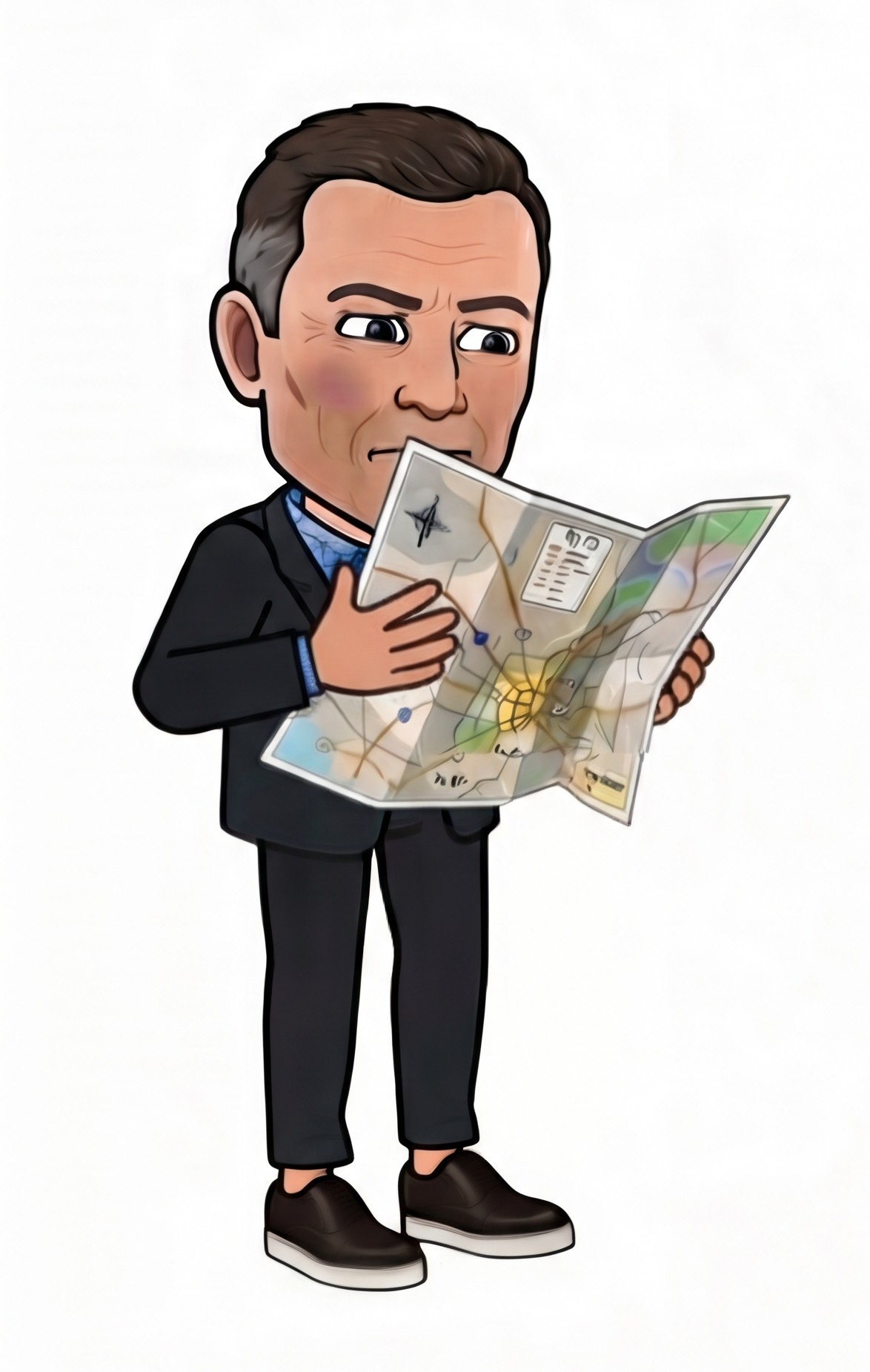
Do you have a road atlas? Know how to read a paper map? Might come in handy if GPS goes down. And yes, you can still buy one. You can also buy an AM/FM radio, which could be a useful source of information if there’s no internet. You might also want a watch that keeps time without syncing with a smartphone.
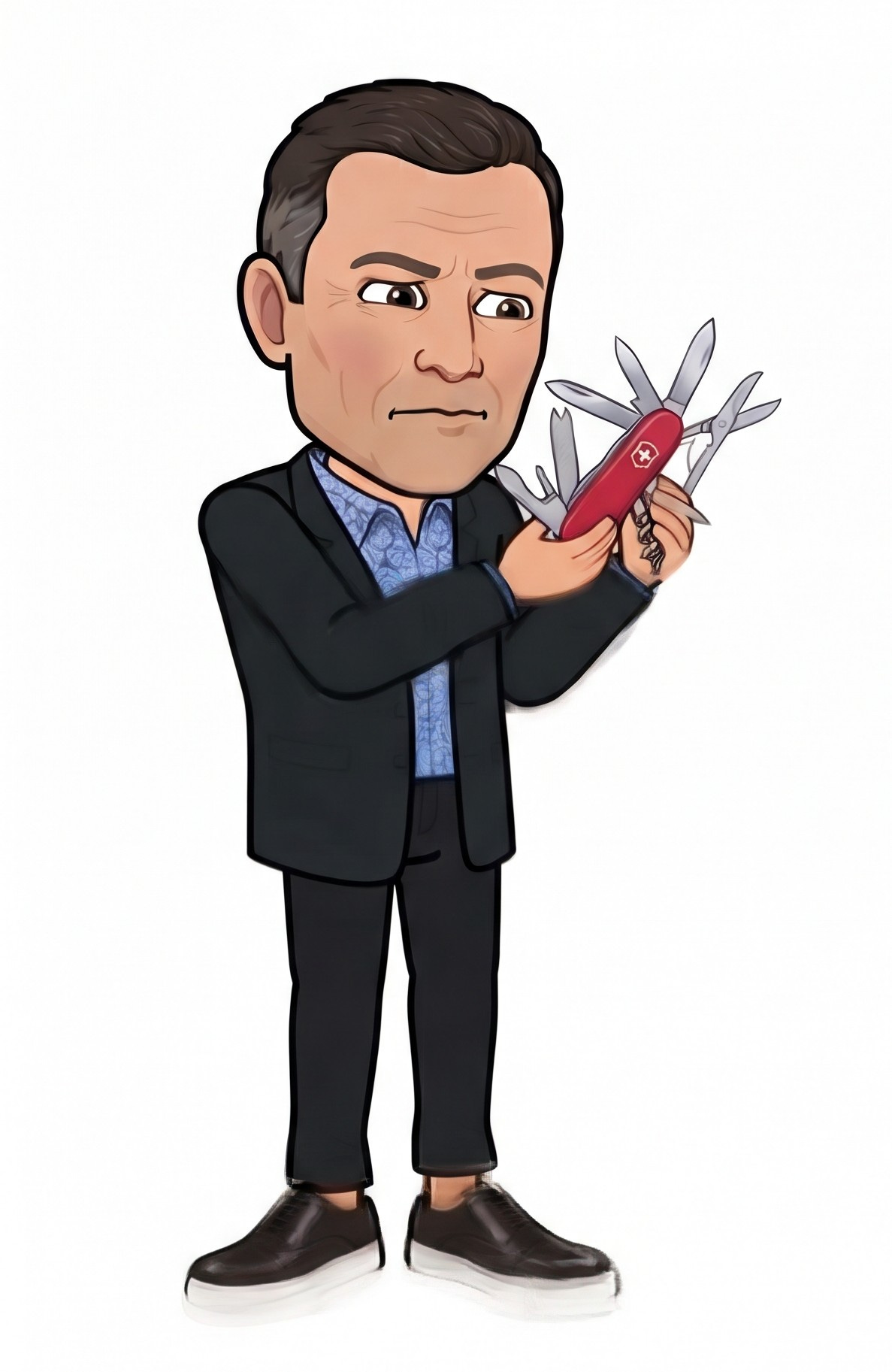
Basic tools such as hammers, saws, screwdrivers, wrenches, ratchets, hex keys, cutters, and other gizmos I don’t know the names of can be priceless in an emergency. You can get a simple set of tools for $20 or a more elaborate set for $200. Tools alone won’t do you much good if you don’t know what to do with them. If you’re a hardware newbie, start by trying to fix simple stuff yourself: Patch a hole, plug a leak, change an air filter, oil a squeak, or just wait for some problem to crop up and it will. There are online videos for every imaginable DIY project, and AI agents can now get you started if you describe the problem in plain English and ask for help.
Learning how to fix simple stuff will give you a sense of how mechanical things work. It will be those mechanical things, ranging from door locks to appliances and that bicycle we mentioned, that you might have to maintain yourself for a while if the world goes haywire. There’s a huge upside to this type of practical prepping: You’ll save money and aggravation in regular life if you don’t have to call an expensive technician to change every light fixture and tighten every leaky valve.
Get reasonable backup supplies
Your cell phone will be important during an emergency. External battery packs can provide a couple of phone charges, or more than 100, depending on how much you want to spend. Like a lot of homeowners, I have a gasoline-powered backup generator able to run some of the stuff in my house if the power goes out. But I’m aware of the limitations. During Sandy, most New York area gas stations shut down because they didn’t have power. No gas, no generator. And I learned from the preppers I hung out with that stockpiling gasoline has a major downside: Gas goes bad. Its shelf life depends on the blend, but can be as short as three months. So if you really want to be a prepper, you have to manage the regular turnover of a hydrocarbon inventory. I’m taking my chances that the gas stations will be open.
There are many lists of sensible things that are easy to keep around, such as water-purification tablets, water-storage containers, first-aid supplies, batteries, flashlights, beans, rice, and canned tuna. Sure, go for it. Here’s the federal government’s list. Here are Wirecutter’s recommendations. Some of this stuff is good to have on hand no matter what.
Don’t get too cute. Before the bug-out weekend, I bought a few survival gizmos I wanted to test out, including different devices for getting a fire going, au naturel. I asked one of the preppers if he could show me how to use a fire-starting flint. He seemed puzzled. “I just stock up on Bic lighters,” he said.
The weapon conundrum
Millions of Americans own guns and are comfortable with them. If you’re not one of them, should you buy a gun as protection if there’s some kind of societal failure? It’s a tough personal question. Guns bought for personal protection end up involved in suicides and tragic accidental shootings. If you do opt for a gun, safety training is essential, and there are inviolable procedures for minimizing risk at home.

A cop I know says the best way to defend yourself if you don’t have a gun is with a baseball bat, given that an aggressor would have to be willing to walk into a swinging hunk of lumber. (Practice your swing!) I have a sickle for hacking through weeds that would also make an imposing defensive weapon. You have to decide whether to prepare for hostile encounters involving other people with guns, or just with bad intentions. Somebody with a gun could obviously shoot from a distance, unconcerned about your baseball bat. Somebody armed with a knife or only their hands might look at your baseball bat and decide it’s not worth it.
Build strong communities
Some preppers have a go-it-alone mentality, as if there will come a time when they have to provide every utilitarian function society now offers. I find that prohibitively depressing and impractical. The whole point of the preppers’ bug-out weekend I attended was to share information, learn from each other, and network. Some preppers I met formed joint-action plans with each other that involved division of labor, with emphasis on who had specialized skills in what. That’s tapping the best principles of capitalism.
I didn’t used to be a joiner. I am now. It’s easier than ever to fill your time with digital distractions and ignore the people living around you in real life. Mistake! Your digital connections won’t be any help in an outage situation. The neighbor with the firewood, the chain saw, and the folksy know-how is your go-to guy. Get to know people now instead of showing up needy. Have something to offer back.
This, too, has non-outage benefits. More contacts in your neighborhood, your church, your hobby group, or your volunteer network mean more social activity, more local knowledge, and better job networking. You can prep for the unthinkable while enriching your life today. There’s virtually no downside.
Enjoy a cartoon.
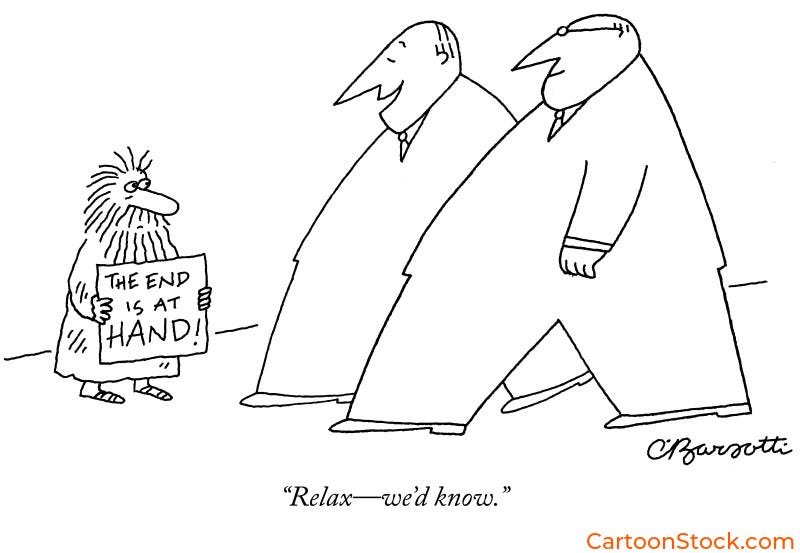
You can order this cartoon👆 and play cartoon-themed puzzles and word games at CartoonStock.com.
More from The Pinpoint Press:
It’s time to revise the American Dream