


The midterm elections are over. A blue wave materialized, after all. Democrats will firmly control both houses of Congress next year. Now what?
Adam Shapiro of AInvest recently invited me to discuss the Democrats’ affordability agenda on his Capital & Power podcast. Here’s the video. Discussion points follow.
Let’s start with energy. There’s a bipartisan permitting reform bill in Congress now that would make it easier to build badly needed infrastructure, which would eventually bring more power to the grid. Increasing the supply of energy is one of the most direct ways to lower consumer costs. The bill would benefit both fossil fuel production and green-energy development, giving it broad support. Republicans are hoping for enough Democratic support to pass it this year and send it to President Trump.
[What Democrats need now: A convincing leader]
Whether Democrats go along with the permitting bill will test just how pragmatic they’re willing to be. Some Democrats want to reject the bipartisan bill and start over once they’re running Congress next year, which might allow them to prioritize green energy over fossil fuels. That would be a bad move signaling a quest for ideological purity rather than a compromise that could make a difference here and now. Trump would probably veto a Democratic permitting bill, leaving nothing accomplished except the usual blame game. Voters said they want solutions, not arguments. Democrats should back the permitting bill now and declare victory.
That would leave more bandwidth for health care, one of the Democrats’ strongest issues and an urgent national problem. Twelve years after the Affordable Care Act went into effect, there are still some 28 million Americans who lack insurance coverage and tens of millions more who are underinsured, meaning they have insurance but can still barely afford care anyway. There are two basic problems here, and both are devilish.
[The stock market will do fine under Democrats]
The biggest problem is that the cost of health care in the United States is dramatically higher than it is anywhere else. This is a systemic problem with many causes and no simple fixes. But it needs to be fixed, regardless, because even if we had universal coverage, with insurance for everybody, we could still have sky-high costs that break the bank.
The second problem is the one the ACA partly solved, which is simply extending coverage to more people. Democrats will work on that by trying to reinstate federal subsidies for some people that expired at the end of 2025. They’ll also try to close other gaps. To end-run Trump vetoes, Democrats could tuck these types of provisions into must-pass legislation, a cherished Capitol Hill legislative ploy.
Democrats need a unified, branded plan for solving these health care problems by early 2028—and it isn’t Medicare for All. M4A, as it’s known, would basically make the federal government the sole funder of all coverage. That might make sense if you were starting a health care system from scratch. But we’re not. We have an employer-based health care system that works reasonably well and covers 160 million people. Any plan that would upend health care for nearly half the US population is a non-starter and liberals should stop dreaming about it.
For better or worse, the most plausible path forward is probably to build on the ACA with the goal of achieving universal health care—coverage for everybody—with a patchwork system. Even that would be complex and expensive, requiring new taxes. Much of the health care industry would resist, while Republicans would probably remain their intransigent selves, insisting any additional government role is “socialized medicine” likely to kill Grandma. Good luck, Democrats.
There’s not a lot Congress can do for housing affordability that it hasn’t already done. That’s because over the summer it passed a bipartisan housing bill that could eventually help bring more housing onto the market and lower prices. Democrats could focus on making sure the Trump administration is doing its part to implement the bill, calling out failures where they exist.
A final entrant on the short affordability list could be child care costs. There are a variety of subsidies, tax breaks, and employer incentives that could move the needle. None are free, and any Democratic pitch for sweeping new benefits should be honest about who’d have to pay for them. Trump would probably veto child care legislation, but any legislation Democrats can pass will tee up their best affordability plans for the 2028 presidential contest. Odds of success: Mixed.
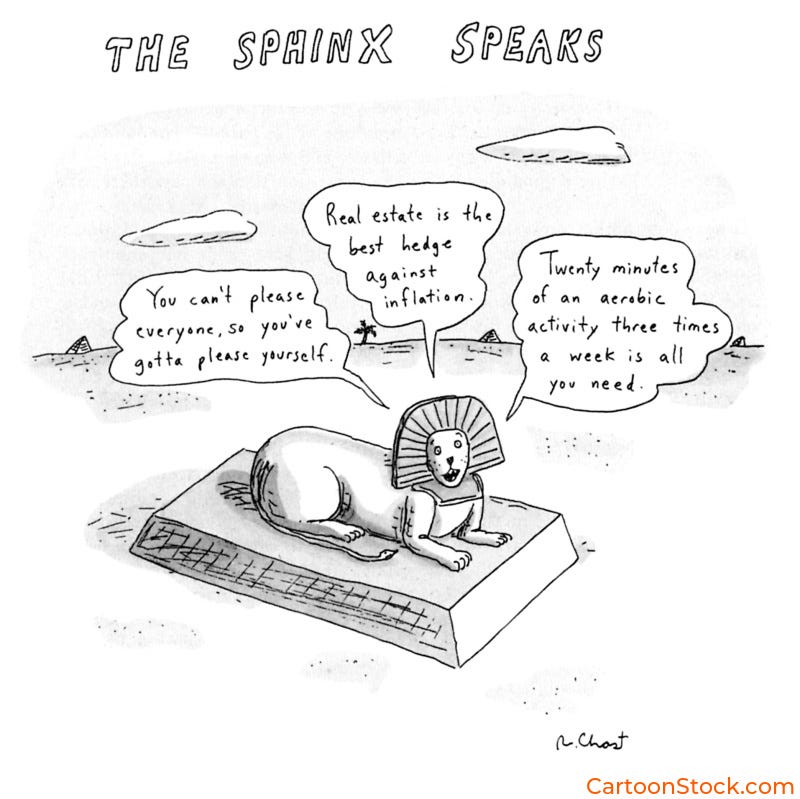
Enjoy a cartoon.
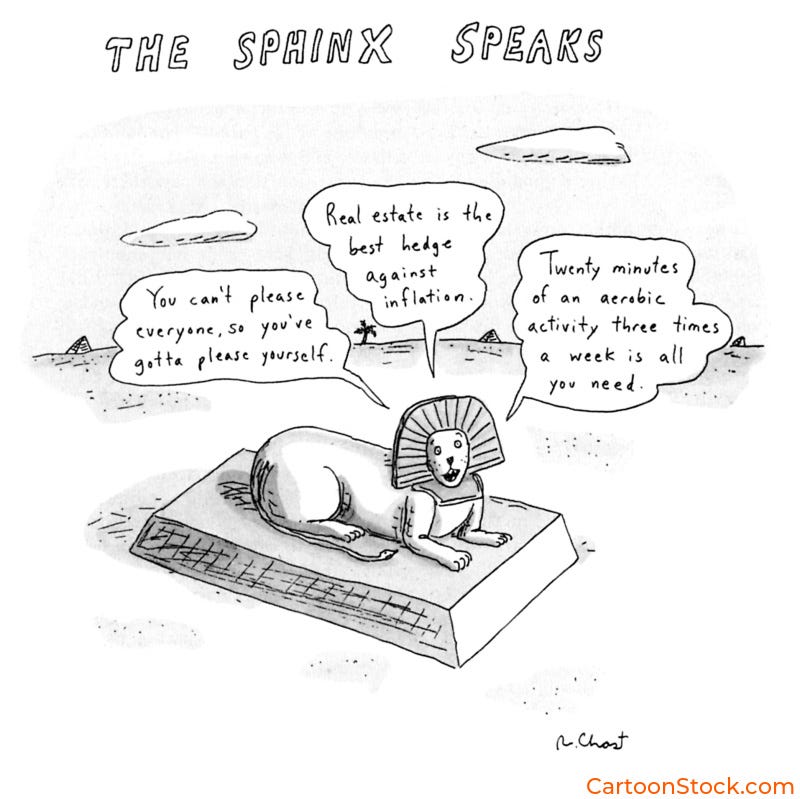
Cartoon by Roz Chast You can order this cartoon👆 and play cartoon-themed puzzles and word games at CartoonStock.com.
Always good to listen to Rick who has the background to put the future into context!l