


What are your rules for AI? Let’s get a dialogue going on this. Email me or leave a comment sharing your thoughts.
Love it or hate it, artificial intelligence is going to be a dominant force in the US economy and American society for years, maybe decades. What are you going to do about it?
If you’ve fully funded your retirement, maybe you don’t need to do anything. But the rest of us must grapple with AI and its many implications. And we seem to be pretty worried about it.
In a recent NBC survey, 57% of respondents said they think the risks of AI outweigh the benefits. Forty-six percent have negative views of AI, while just 26% have positive views. Young Americans are the most down on AI, while older men and the wealthy are about evenly split.
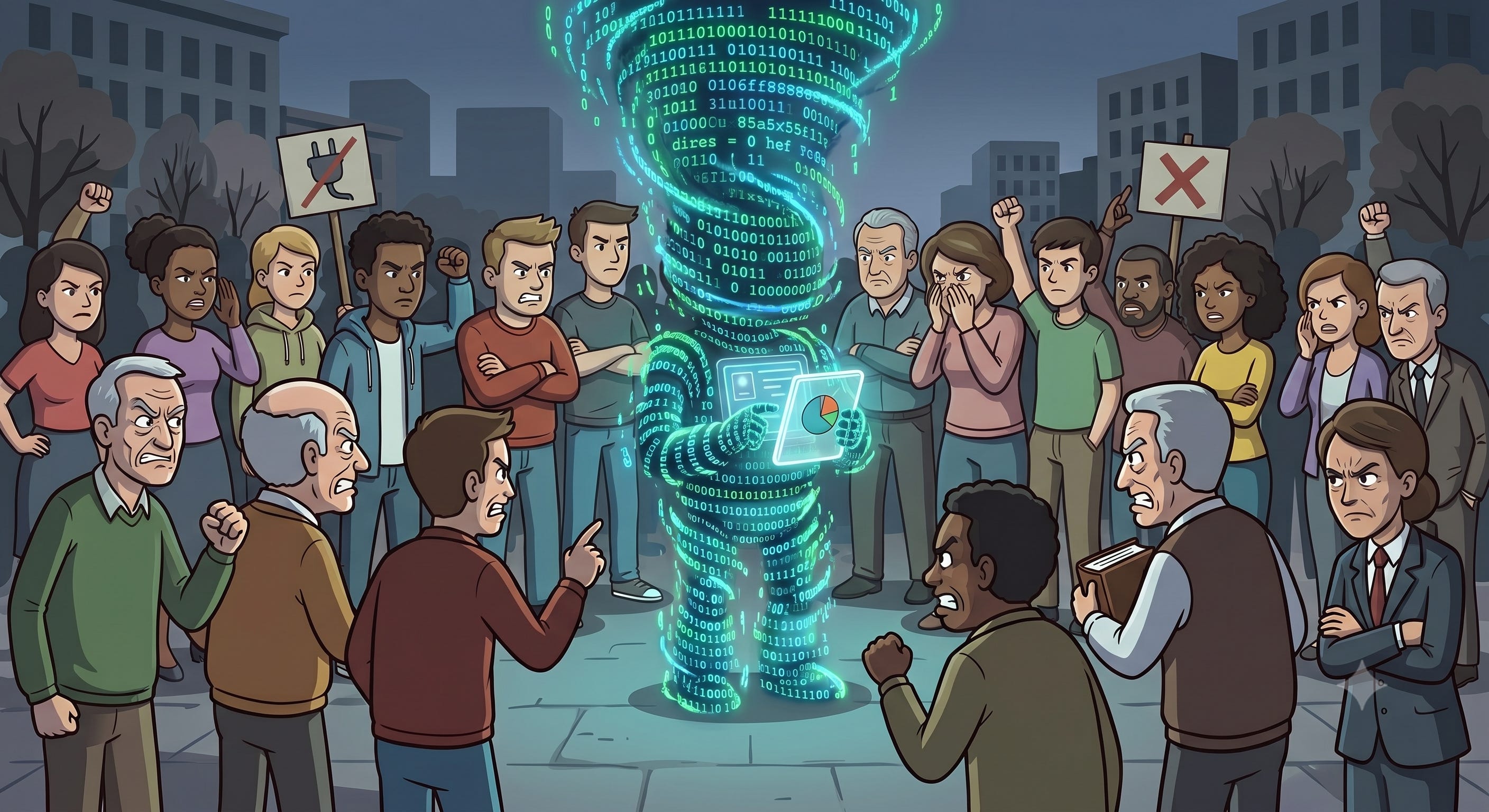
We all know the fears: AI will kill jobs, empower tech billionaires even more and maybe doom humanity. On the other hand, maybe not! Here’s my loose checklist for how to manage AI:
Experiment with it. We have an excellent case study for what AI might do, which is the digital revolution that went mainstream in the 1990s. The rise of the Internet transformed many industries, while bringing us online shopping, smartphones, social media, streaming, podcasts and, well, AI. Some feel nostalgia for the analog days, but come on: Digital technology produced countless innovations that have made our lives better and turbocharged parts of the economy. That will happen with AI.
[See how markets are ending the Iran war]
The lesson of the digital revolution is that you want to have a stake in whatever is coming next. That means working with the technology, understanding what it can do and applying it to whatever you’re good at. As a one-person startup, I use AI to fact-check stories, generate illustrative cartoons, do complex math that’s over my head, troubleshoot technical problems and do a lot of other stuff.
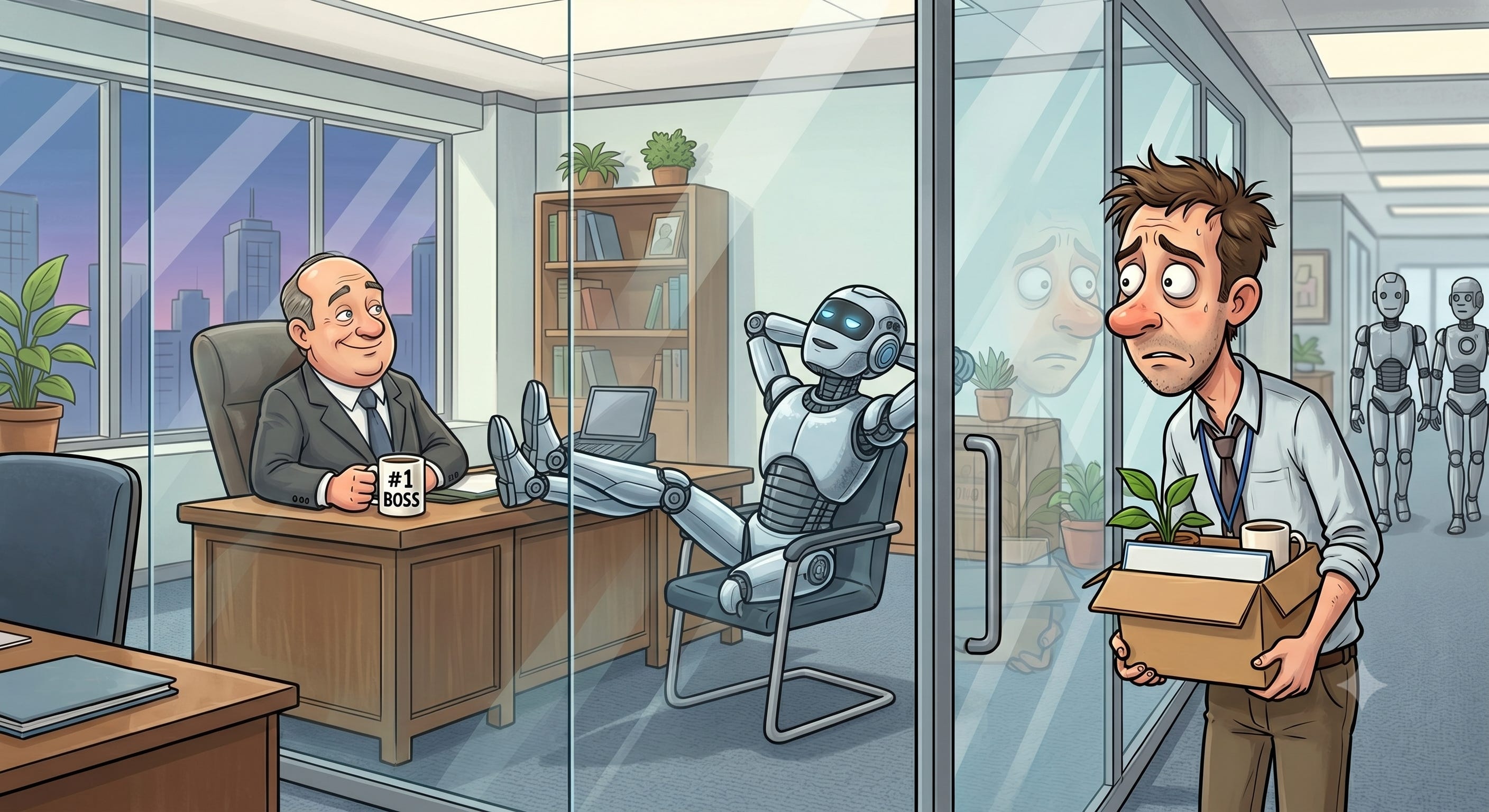
It’s great at some things and lousy at others. But think about this: AI capabilities double about every four months. If that continues, AI will be 64 times more capable in just two years. (Yes, AI helped with that math.🤓) Seems to me, everybody who wants to be productive and earn money during the next few years ought to be building their AI muscle memory so they can spot opportunities to innovate and have the reflexes to move quickly when the time comes.
Be unemotional. If pollsters called me and asked whether I have a favorable or unfavorable view of AI, I’d say neither. It’s like asking how I feel about a hammer. If somebody’s hitting me with it, I disapprove of the person doing that. If a handyman uses it to fix my broken staircase, I’m glad he did that. But the thing itself is just a tool.
There’s a hidden question in polls asking what people think of AI. The hidden question is whether you think the billionaire tech bros likely to benefit the most from AI should have even more control over the world. If pollsters asked me that, I’d say no. And I support efforts to spread the benefits of AI more broadly and democratically (which you’ll be reading more about here at The Pinpoint Press). But I am neutral on AI itself. I recognize that it’s a powerful tool and I want to use it to my benefit. That’s all.
[See why most Americans are missing out on an epic stock rally]
Prepare for AI to disrupt me. I work in a knowledge industry already beset by AI. So do programmers, lawyers, auditors, researchers and many others. I expect AI to dramatically change how people do the work of journalism. I also expect that many of the professionals in my business won’t be able to adapt to that. Others will thrive, including younger AI natives who grew up with AI and will bring a slew of innovations.
There’s a huge debate right now over whether AI will kill or create jobs, on net. I think it’s the wrong topic. It seems certain that AI will kill some jobs and create others. That’s exactly what digital technology did. It killed the yellow pages, film-processing labs and movie-rental shops. It created e-commerce, fintech and ride-sharing. AI will be similar.
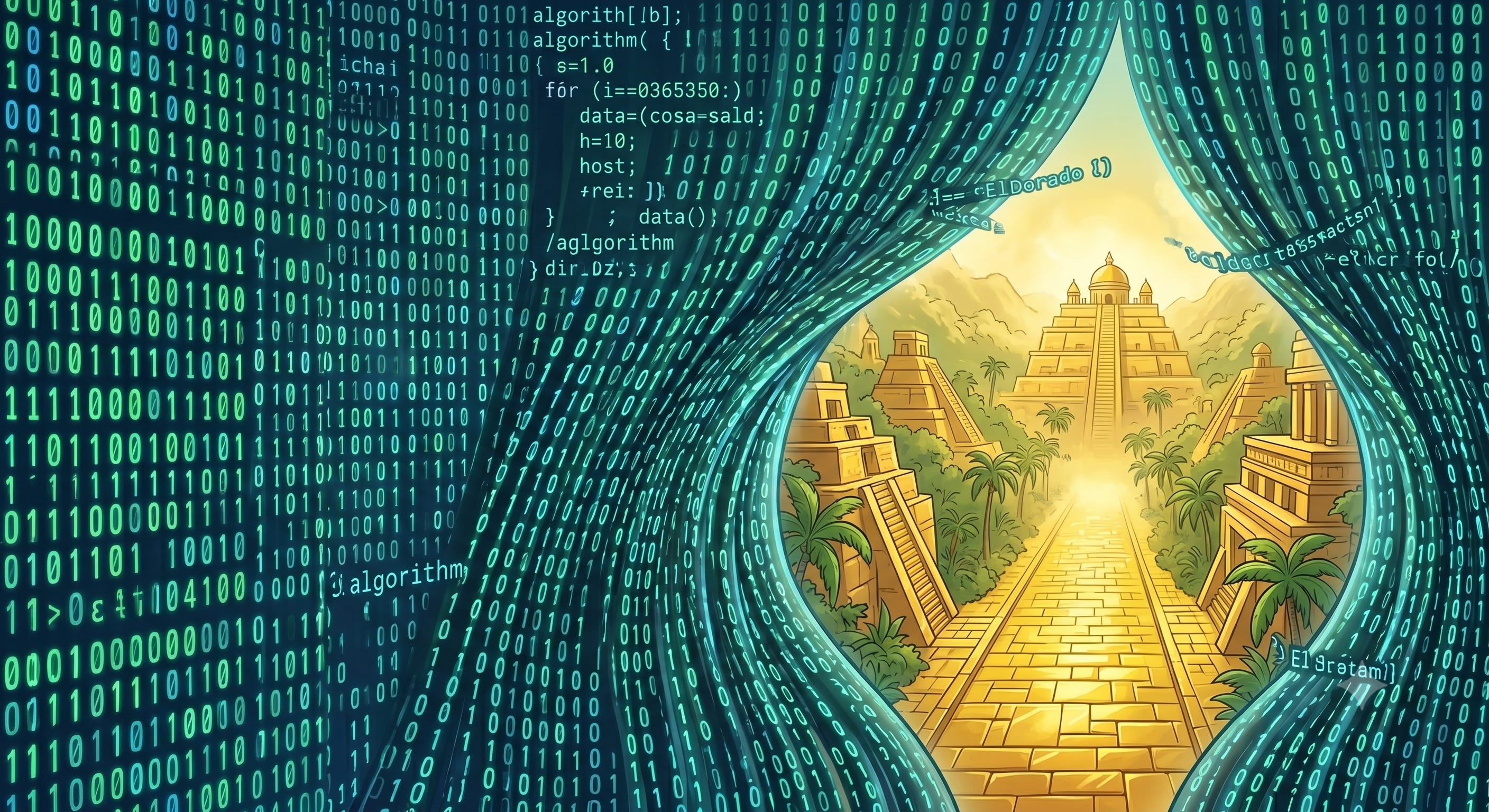
The real economic lesson of the digital revolution is that we did a poor job helping those displaced by the new technology adapt to the new world. The US economy is remarkable, but our worker safety nets stink. At a policy level, we may fail in the same way with AI. It’d be great if politicians did better this time, but who’s counting on that? As an individual, I want to see disruption coming. Tracking AI’s capabilities might provide an early warning of my own obsolescence.
[How older homeowners locked up the housing market]
End up on the winning side. I have no idea what that will mean. It could mean doing the same work I do now more efficiently and with greater impact. It might mean doing something altogether different. Maybe I’ll end up doing a bunch of different things, with AI handling all the grunt work and my brain newly free to focus only on high-level problems. When it can clean my toilets, I’ll be convinced.
The main point is to become a beneficiary of AI, not a victim. Constant vigilance seems wise.
Change my rules when needed. At its current rate of improvement, AI could be eight times more capable just one year from now. How will that change what AI can do for me? I don’t know. AI doesn’t know. Sam Altman may not even know. But the lesson we should have already learned is that you’re more likely to win when you’re ready to adapt. And one certainty of AI is that it will force us to adapt.
Enjoy a real cartoon by a real human.
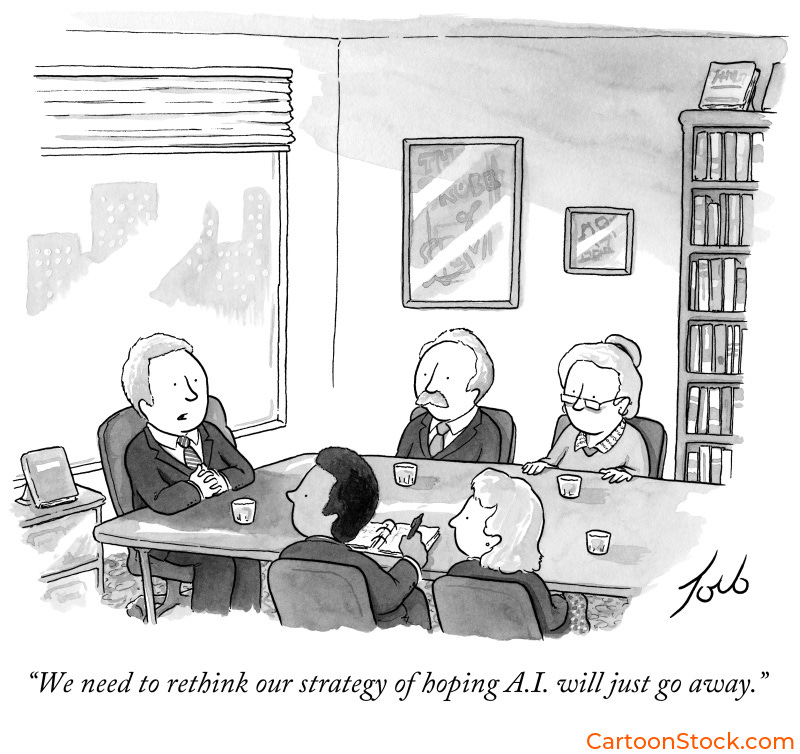
You can order this cartoon ☝️ or others like it, plus merch featuring cartoons, at CartoonStock.com
Thanx for the reminder that AI is just a tool. For now(?)
Hopefully AI doesn’t get rights like Citizens United gave corporations.
Concerns: if AI is given the reins bc of efficiency, who is directing the algorithms that decide what is best?
Scenario: Brown out. Not enough electricity for residents and hospital. Does hospital win?
What if there is only enough juice for either neonatal ward or geriatric ward?
Keeping hospital lights on of data center itself?
I will encourage my kids to keep learning AI stuff!