


Somewhere on President Trump’s list of future adventures, “Cuba” is written in Sharpie.
Trump has said outright that he plans to take over Cuba. He has imposed an oil blockade of the island nation that has nearly paralyzed its permanently botched socialist economy. Secretary of State Marco Rubio, a lifelong advocate of regime change in Cuba, has said “they have to get new people in charge.” CIA Director John Ratcliffe has traveled to Cuba at least once, perhaps to suss out possible US-friendly successors to the tottering Castro regime.
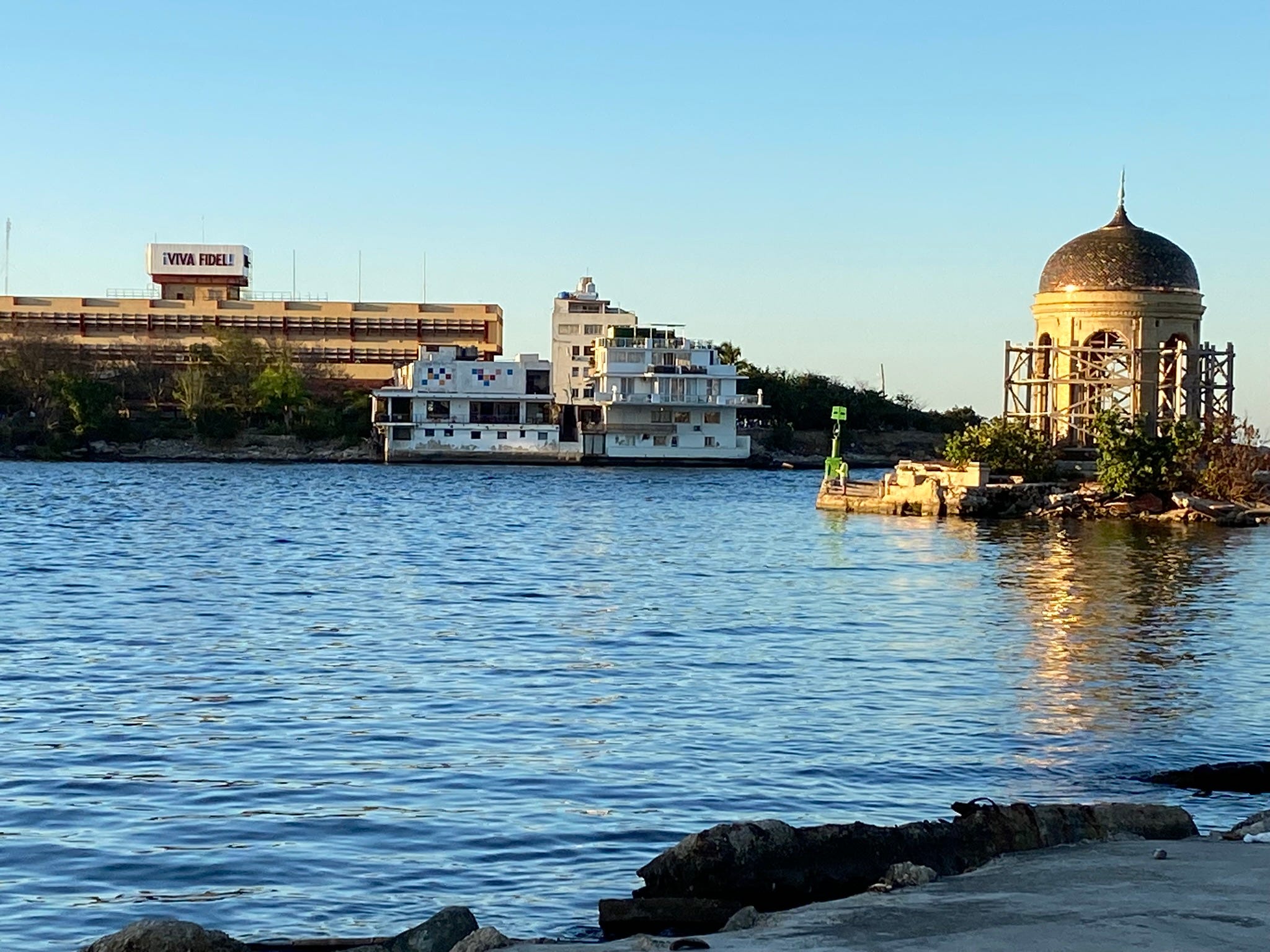
So what might happen? Here’s some handicapping based on discussions with people informed about Trump administration planning.
Trump is desperate for a foreign-policy win to offset his Iran war fiasco, which has constricted energy flows through the Strait of Hormuz and caused a global energy crisis, with no end in sight. The January raid to snatch Venezuelan President Nicolás Maduro demonstrated Trump’s willingness to invade a hostile country. It was successful. The Cubans got the message: American forces killed more than 30 Cuban troopers serving as Maduro bodyguards during the raid.
A Cuba operation probably won’t happen before the midterm elections in November. A successful takeover of Cuba wouldn’t necessarily win votes from Americans fed up with high gas, food and rent prices. And if something went wrong, it could clinch a Democratic sweep in November. Once the election is over, however, there’s less political risk for Trump.
[The Democratic Socialists’ awful branding problem]
The ultimate coup would be a bloodless takeover of Cuba during the lame-duck Congressional session at the end of the year, or more likely, at some time in early 2027. Many elements of the Cuban government would probably roll over in exchange for amnesty and modest payouts. Some senior officials might get heftier compensation to align with the Americans.
A key question: How determined and numerous are the Cuban hard-liners willing to fight to the death? As a template, think of Iran’s Islamic Revolutionary Guard Corps, or IRGC, the large militant faction that favors ongoing war with the United States over a ceasefire—and seems to be getting its way.
If there’s a similar faction in the Cuban regime, it’s probably small and not nearly as influential as the IRGC. Iran’s staunchest hardliners are religious zealots aligned with a theocracy that promises martyrdom for loyalists. Cuba doesn’t have that. Cuba’s remaining communists might be Castro enthusiasts, but that doesn’t mean they’re willing to die for the cause.
Even if there’s some kind of negotiated handover, there will most likely be US boots on the ground in Cuba at some point, as a show of force and a deterrent to any resistance. If there is a fight, Cuba is no Iran—there’s probably no way it can withstand a US assault. Most members of the Cuban government know that.
[The gigantic national debt is starting to matter]
The Pentagon and State Dept. will probably be much better prepared for a Cuba operation than they were for the Iran war, which Trump has run largely on his own instinct, with disastrous results he obviously failed to anticipate. The Trump administration has been preparing for a Cuba operation since at least January, when US forces grabbed Maduro. They’ll have a year’s worth of planning under their belt, at a minimum. That means they’ll know who’s likely to cooperate and who isn’t. They’ll have backup plans if something goes awry and assets close by, with Cuba just 90 miles from US territory.
Cuba will need a Delcy Rodriguez. She was Venezuela’s vice president under Maduro, and she took over when Maduro departed. She’s basically a Trump quisling who gets to keep her job and the kickbacks that come with it, as long as she does Trump’s bidding.
Who might be Cuba’s Delcy Rodriguez? The current president is Miguel Díaz-Canel, largely viewed as a weak leader taking orders from former President Raúl Castro, who’s 95. As a caretaker of the Castro legacy, Díaz-Canel is an unappealing viceroy for the Trump administration.
Raúl Castro has a grandson called Raúl Guillermo Rodríguez Castro, who’s getting a lot of attention. The grandson is a senior Cuban internal-security official who could pave the way for a US takeover. He’s had a lot of contact with Trump administration officials. The younger Castro has been accused of smuggling and other violations of US sanctions, but that wouldn’t matter to Trump.
[The double-haters’ guide to the midterm election]
Rosa María Payá Acevedo is a prominent Cuban human rights defender and democracy activist. She’s the daughter of a prominent dissident murdered by Cuban operatives inside Cuba in 2012. Payá runs Cuba Decide, a Miami group that works for democracy in Cuba, and is well-connected with US government officials.
Carlos Fernández de Cossío is Cuba’s deputy foreign minister, charged with handling issues involving the United States. He’s considered pragmatic, relatively friendly toward the United States, and smart enough to get on the winning side.
Trump wanted control of Venezuela because of its oil. What does he want with Cuba? Real-estate development, obviously, which is Trump’s stock-in-trade. Trump would also win huge props with Cuban-Americans in south Florida. He doesn’t need their support to flip the state, which is already red. But he loves to be revered and they would oblige.
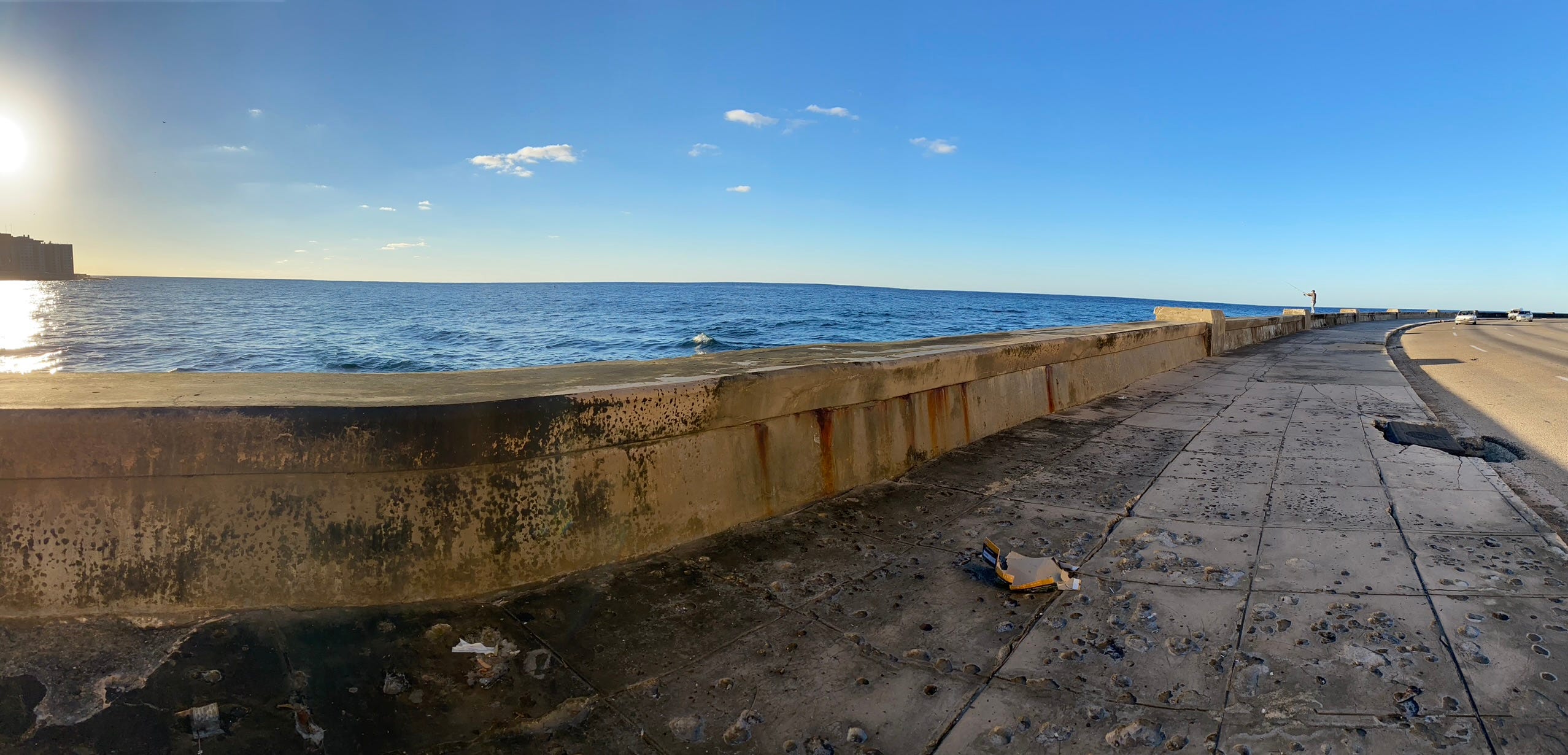
American businesses would laud Trump, as well. US business groups want to open the Cuban economy so American companies can sell Cubans chicken, rice, electronics, and services, assuming the wrecked economy could get off the mat. Some American travel companies might want to jump right in and offer travelers the chance to see old-timey rural regions where horses and donkeys are still the primary means of transportation.
[America is going bankrupt slowly—for now]
Trump benefits financially from many of his own policies and his companies might seek a cut of the action. That would be illegal or unethical, but it’s the Trump way and nobody has been able to stop his profiteering, so far. It might even motivate Trump to Americanize Cuba, if he can gain personally.
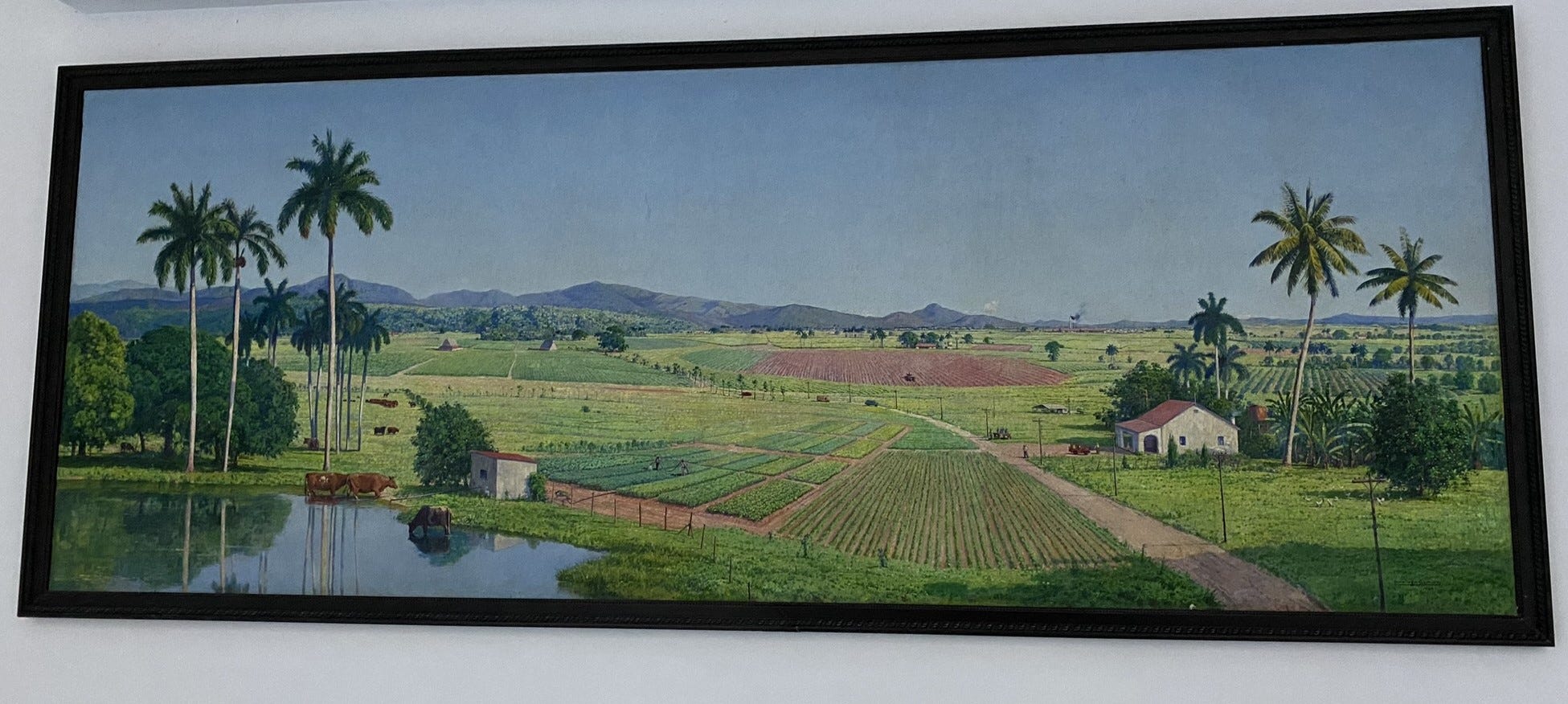
One complex barrier to normalizing trade with Cuba is a 1996 law that allows US nationals who lost property when Fidel Castro nationalized Cuban assets in 1959 to sue anybody who “traffics” in those assets. One prominent example is a successful lawsuit against cruise lines that used confiscated port facilities in Havana when bringing tourists there from 2016 to 2019.
Any US business operating in Cuba would have to steer around that restriction. The law gives the US president the authority to suspend it, but the threat of future legal action would remain because a future president could reinstate it. Congress would probably have to address the issue.
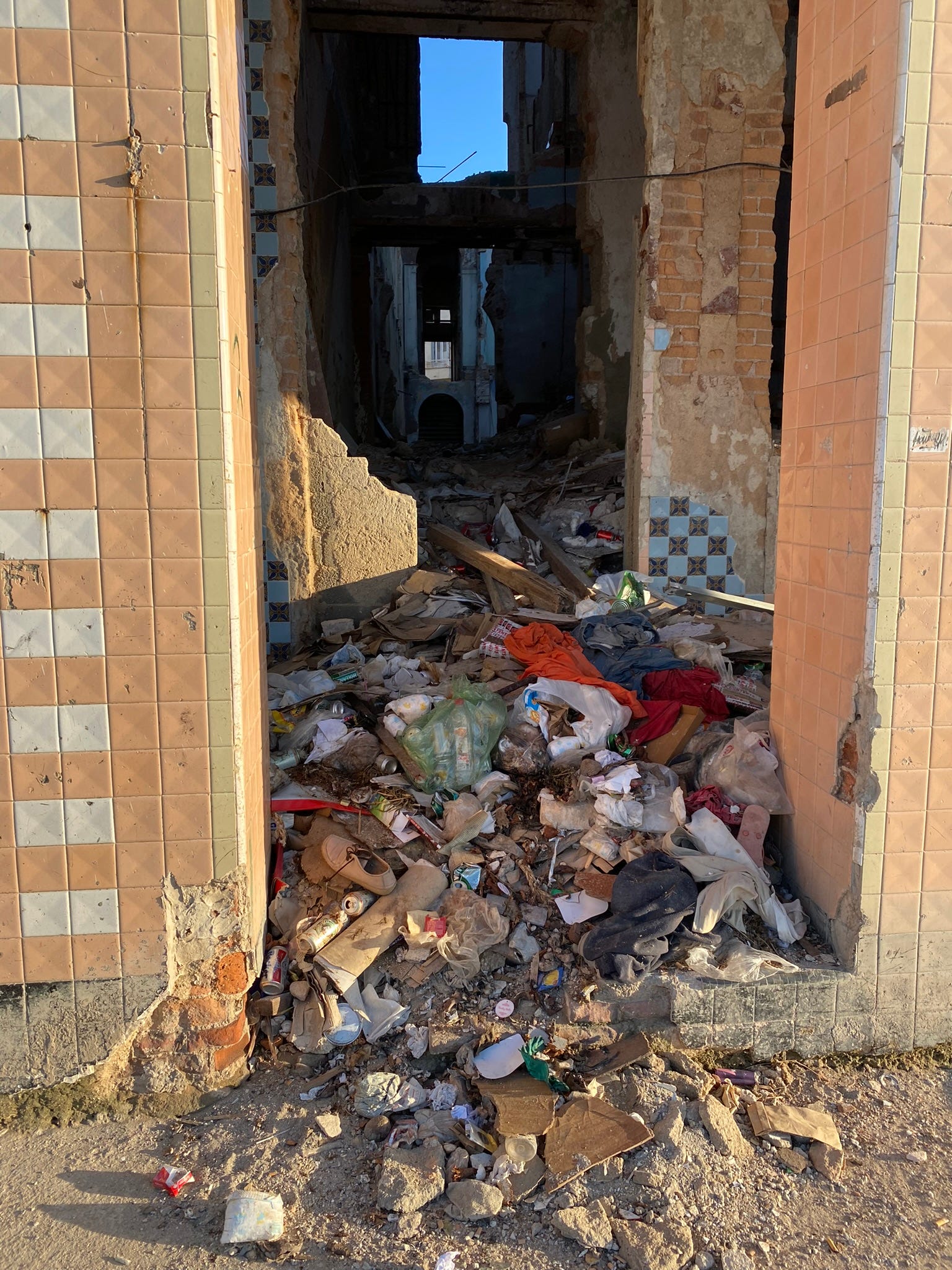
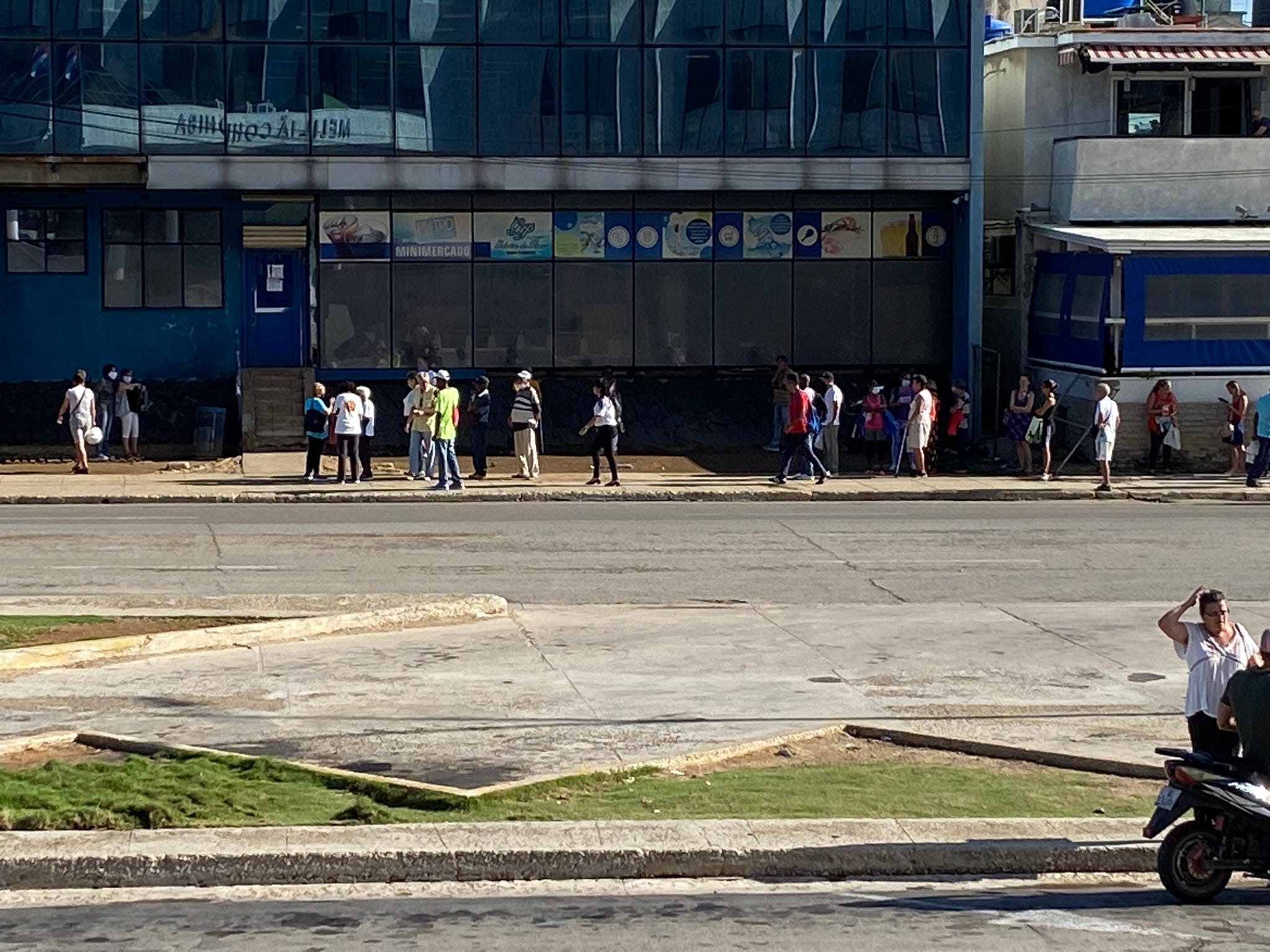
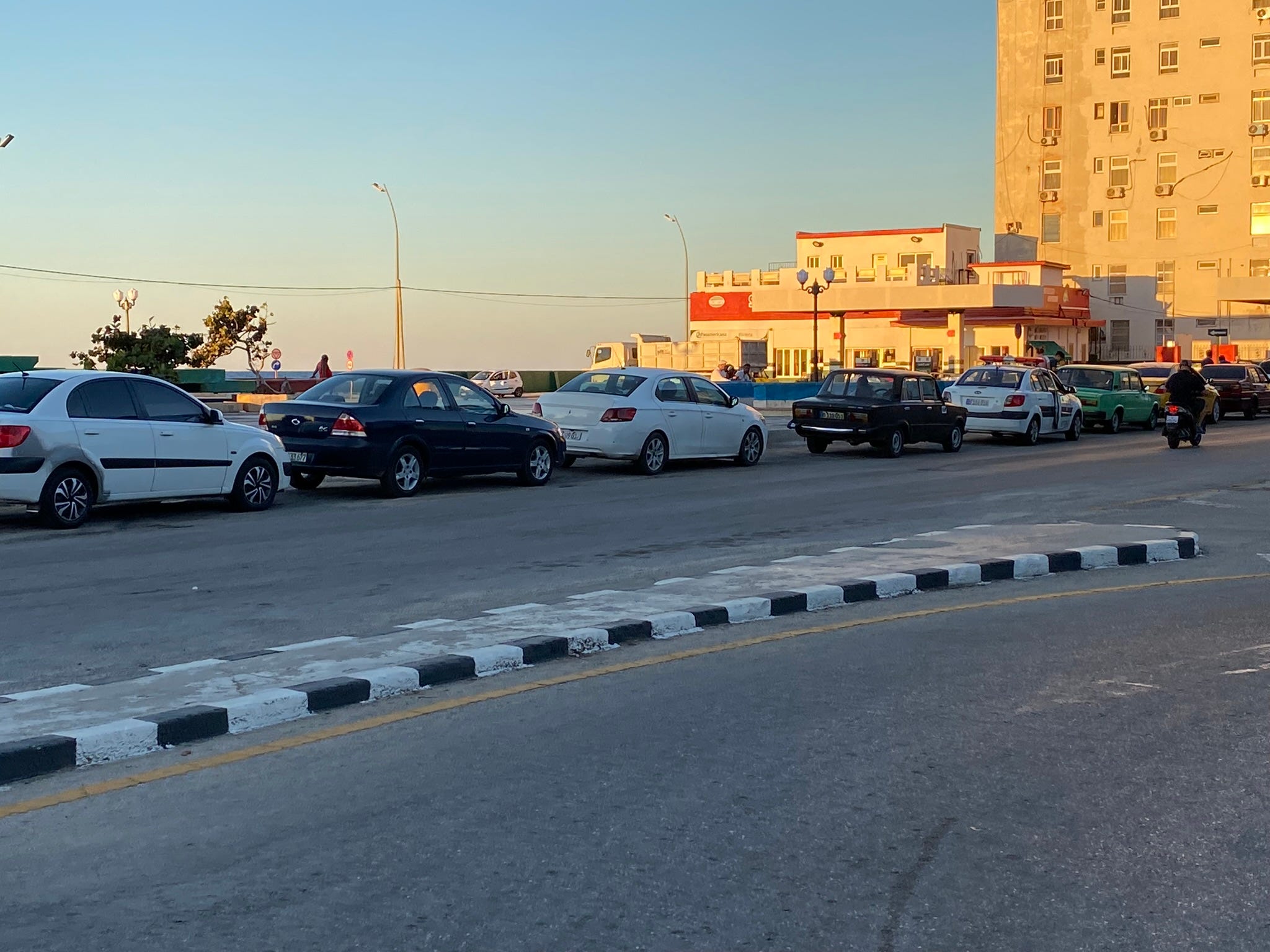
If Trump surmounts these obstacles, a US takeover of Cuba might differ from the Venezuela and Iranian operations in one crucial way: it could bring life-changing benefits to ordinary Cubans. The mismanaged socialist economy relied on Soviet support from the time Castro seized power in 1959 until the USSR collapsed in 1991. Venezuela provided oil, which Trump cut off earlier this year. Cuba has no useful friends left. Meanwhile, US sanctions in place since 1960 have made everything harder. Cuba is now in desperate shape.
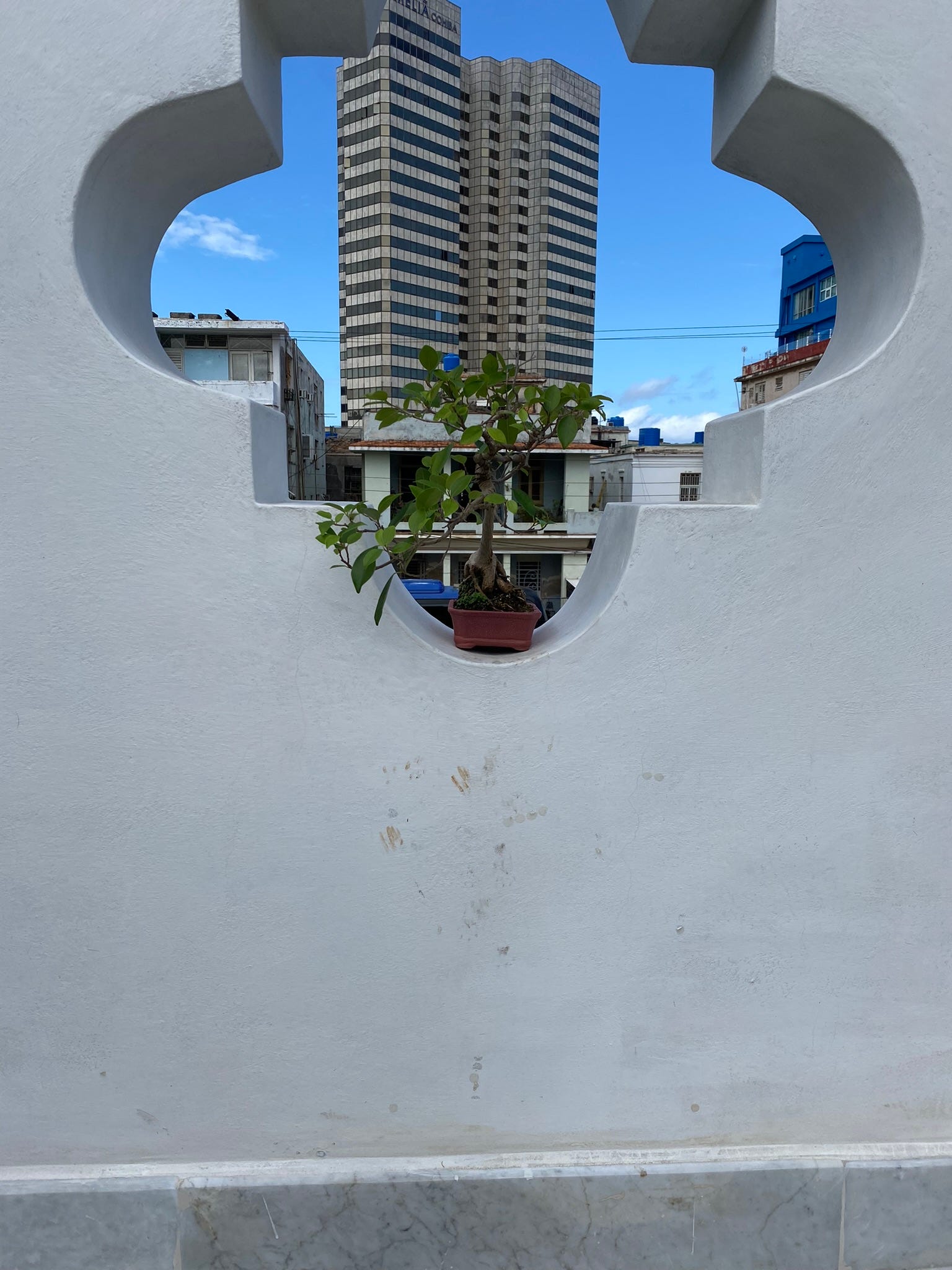
An American takeover would presumably allow Cuban exiles in the United States to return, either to visit family members or stay for good and start businesses. The lifting of US sanctions would allow open trade and, crucially, normal banking. Hundreds of political prisoners could go free.
Almost nothing could be worse than what Cubans endure today. The country is in such dire shape that even a Trump botch job might be an improvement.
I was last there in 2009 and the economy was a wreck then. Tourism was the only path to anything outside of subsistence. And there wasn't much of it and most of the people engaged in it were only vaguely legally able to. The music, dance art what an amazing culture and this repressive economically ignorant government clinging to power through intimidation. No matter how corrupt and incompetent the regime Trump installs is, you're right, it'll probably be a win for the people if they finally end the fucking insane useless stupid sanctions.
He could build theTrumpocabana hotel casino golf resort,don’t worry he will employ the locals cleaning the toilets for slave wages.