


For all the firepower US and Israeli forces are concentrating on Iran in the war that began on February 28, one development reveals a shortfall the Pentagon would rather not discuss: The US Navy’s conspicuous absence from the Strait of Hormuz, which has quickly become the fulcrum on which the entire conflict hangs.
The Pentagon keeps listing all the Iranian targets it has destroyed, and President Trump has said there’s very little left to bomb in Iran. Yet the Strait of Hormuz remains effectively closed to oil tankers, which Iran has threatened to attack. That has shut the passageway for 20% of the world’s petroleum and caused jarring price hikes that are now hitting consumers everywhere in the world.
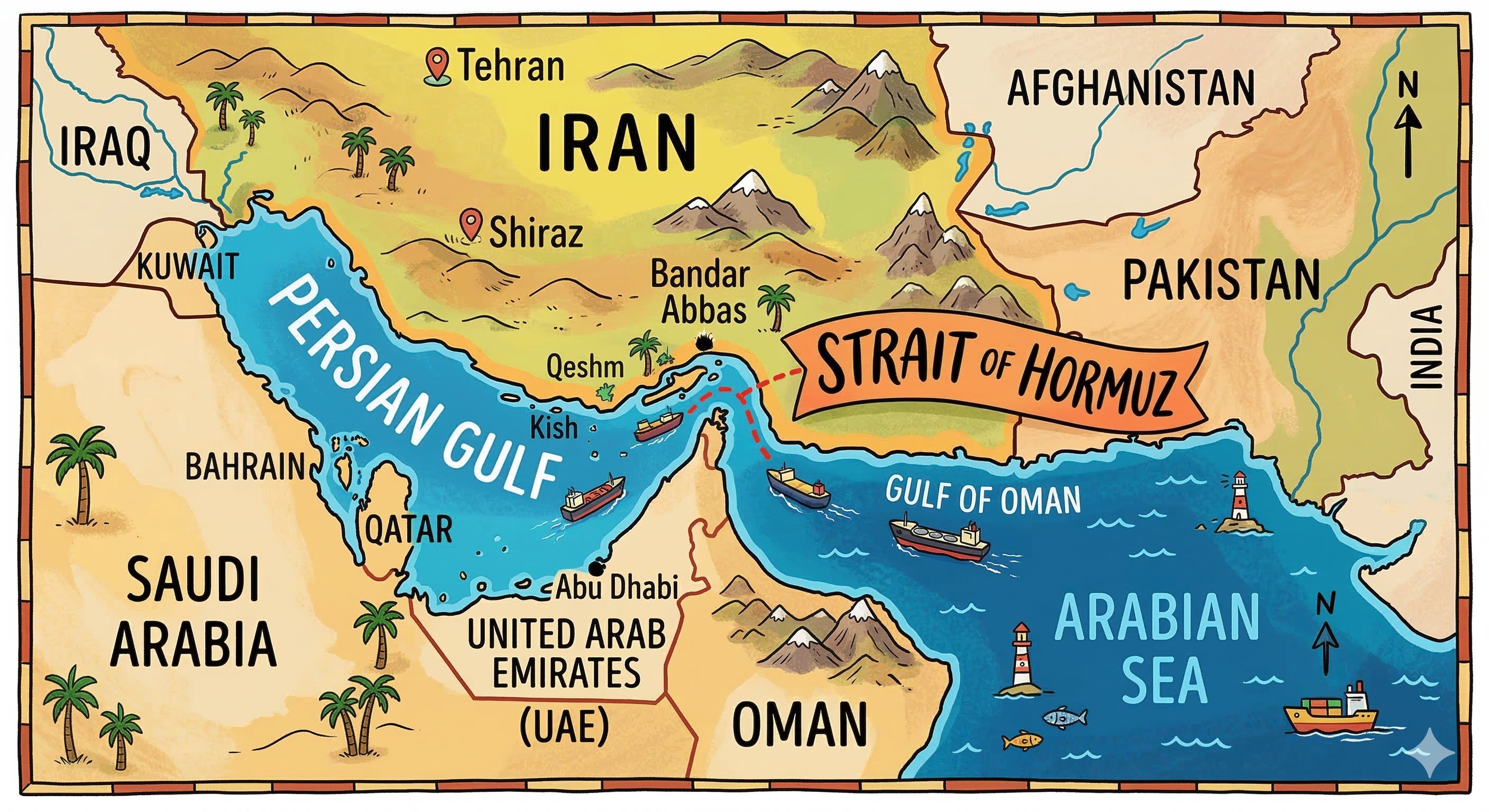
There’s this quaint idea that the US Navy can just battle its way through whatever is left of Iran’s shore defenses and keep tankers safe. The reality is that huge warships, no matter how heavily armed, are uncomfortably vulnerable to a lucky shot, even from a battered enemy like Iran.
“This is the reason the US Navy is pretty hesitant to get in there,” Michael Knights of the Washington Institute for Near East Policy said in a recent Columbia Energy Exchange podcast. “It’s very clear that President Trump seems to have been made to understand, by the Navy, I’m sure, that he stands a high chance of seeing a US warship on fire if he moves one into the Strait of Hormuz. And shippers are not going to go back in until they see the US Navy doing repeated freedom of navigation cruises through the strait.”