


Elon Musk’s rocket company SpaceX has now gone public, causing a lot of agita over the special treatment Musk seems to get. Some stock indexes bent their rules to include SpaceX early, which means investment funds that track those indexes will have to buy some SpaceX stock. That could artificially inflate the price of a company that already seems overvalued, further enriching Musk, who owns 46% of the shares. Musk-haters think it’s rigged.
SpaceX may set the stage for two more giant IPOs that are coming soon, the artificial-intelligence companies Anthropic and OpenAI. The same indexes that let SpaceX in the side door will probably do the same for Anthropic and OpenAI, generating some forced buying of those shares, too. None of these three companies is profitable, or likely to be any time soon. Yet the insiders will likely amass gargantuan fortunes regardless of how well their companies perform.
In an age of worsening wealth inequality, maybe it’s natural that there’s growing populist hostility toward these AI overlords. But this isn’t the main story. The AI boom, so far, has lifted the entire stock market, boosting portfolio values for just about anybody who owned stocks during the last three years. The giant newcomers won’t move markets very much for months, and maybe years. There are bigger threats to markets, meanwhile, than Musk’s intergalactic wealth, no matter how obscene it might seem.
I spoke recently with Dave Nadig, President of ETF.com, to get some ground truth about the indexes bending their rules to accommodate SpaceX, the risks for ordinary investors, and where we might be in the AI boom (or bubble). The full video is below, followed by a bullet-point summary of the conversation—which came from human intelligence, not its artificial knock-off. 😁
Beware the “GameStop problem.” Nadig worries about a huge company like SpaceX being valued like a meme stock, with little connection to underlying performance. “I worry about the GameStop problem,” Nadig says. “What happened in GameStop had nothing to do with the company and everything to do with vibes. SpaceX is in that exact same boat. Having a lot of value tied up in vibes means you can get really weird stuff going on in the market. SpaceX could report a terrible quarter and the stock could go up 100% and everybody would go, ‘the whole market’s broken.’”
[See why most Americans are missing out on an epic stock-market boom]
SpaceX isn’t big enough to roil markets, yet. While the market values SpaceX at around $2 trillion, only about $100 billion of that is stock trading in public markets. The rest is still privately owned. But much of the company will ultimately trade publicly, as restrictions on insider selling expire and those stockholders sell. That’s when SpaceX might be big enough to rock the overall market. GameStop’s average market value during its meme-stock era has been around $10 billion. So SpaceX’s value could be 200 times that of the most prominent meme stock. That would be a different order of problem.
Markets may treat Anthropic and OpenAI differently than SpaceX. The two AI giants might not get the same valuation pass that the Musk mystique seems to generate. I asked Nadig if he thinks investors might treat the two AI giants like meme stocks. “I suspect not. And I hope not,” he said. “I suspect both of those will be treated like normal companies as opposed to weird Elon moonshots.”
[Why Elon Musk is a trillionaire]
Should you be angry about a few stock indexes bending their rules for giant, unproven companies? Probably not. First of all, the S&P 500 index, the biggest of them all, is not changing its rules at all, and it could be years before any of these companies joins that index. Most people with investments in an index fund follow the S&P 500, so there are no issues there.
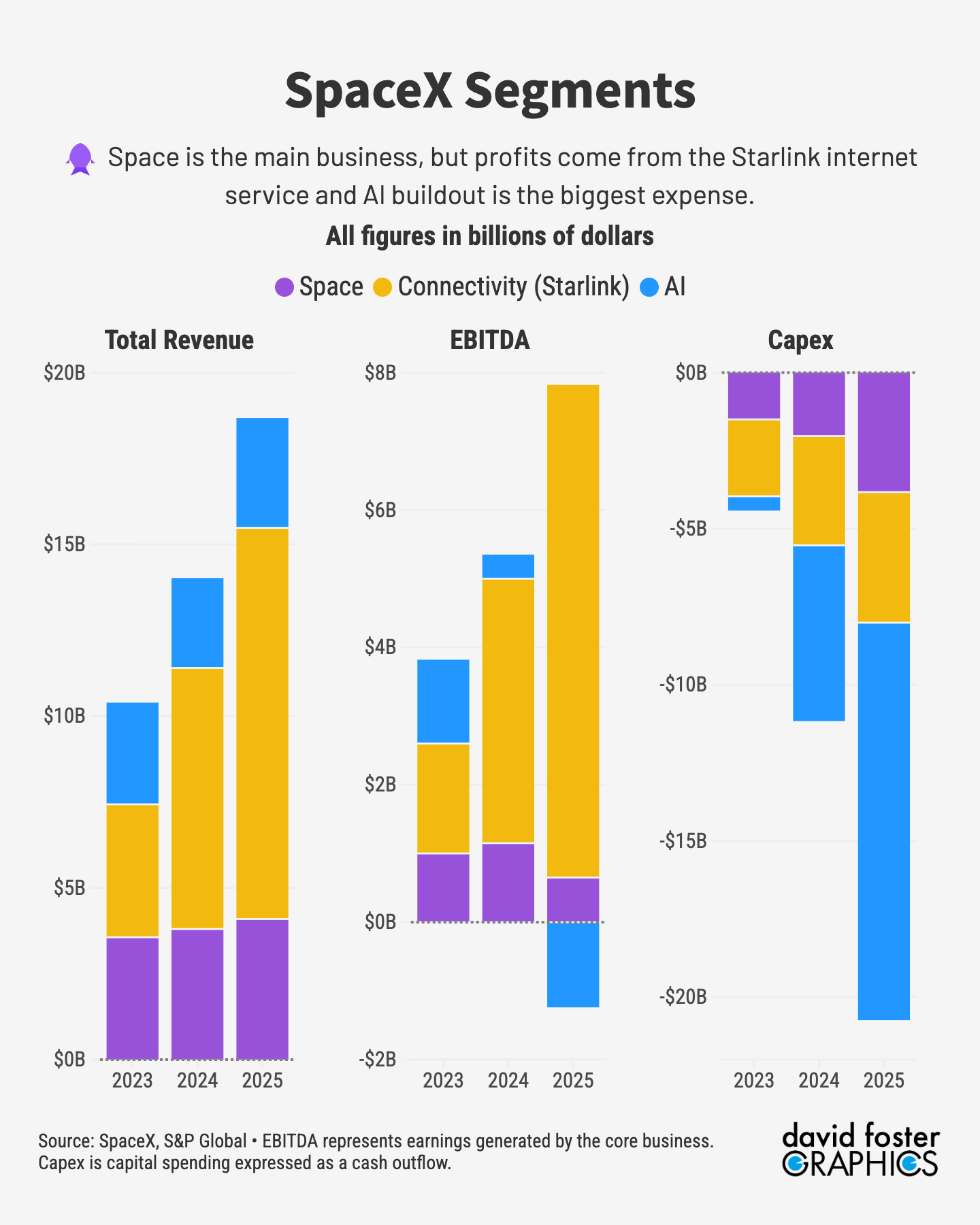
Other indexes changed their rules because the big investing firms that package index funds—Fidelity, Vanguard, Schwab and the like—generally wanted them to. Allowing in these hot new companies allows those firms to offer some exposure to their own customers. And some investors always want to get in on the hottest new thing.
Should you be betting big on these new companies? Please don’t, unless you have money to burn. Nadig suggests maintaining a “cowboy account” for risky bets that should be no more than 1% of your net worth. “It’s money you’re spending largely for entertainment and psychological value, not because you’re going to get it right,” he says.
[The Weekly WTF: Trump 💖 inflation]
If you do want to experiment with shares of a risky new public company, you may as well just buy a few shares directly through your brokerage, instead of bothering with a targeted fund. Just be prepared to lose. SpaceX will probably hit some major potholes before it launches for good—if it ever does.
Good advice.... borne out by the stock price decrease over the last 2 days.
Is there a good resource to see if my accounts through work are in SpaceX