


President Trump loves quick fixes that sound pithy and are easy to explain on TV. And he’s got two quick-fix ideas for addressing a housing affordability problem that’s wrecking millions of family budgets.
Even if Congress goes along, however, Trump’s ideas won’t fix much, and they certainly won’t have any impact by the time Americans vote in the midterm elections in November. There are some things Trump could do. But so far he has shown no interest in real fixes, perhaps because they’d require focused policymaking, take too long and conflict with other parts of Trump’s agenda.
Trump made news recently by saying he wants to ban big companies such as Blackstone and Invitation Homes from buying single-family homes they rent to families for a profit. He also wants to allow “mortgage portability,” which means current home owners with a low-interest mortgage could sell their homes but keep the low rate and apply it to another purchase. Congress would have to accomplish both moves through legislation, which Trump will probably start pushing soon.
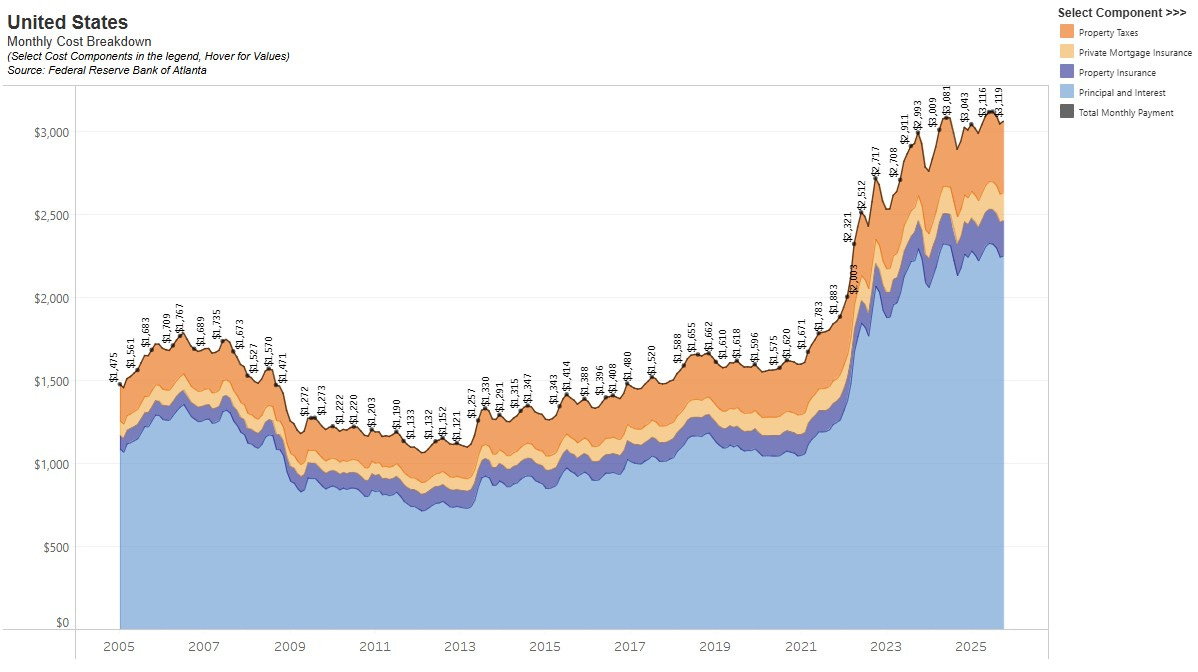
Those two moves might not hurt, but they wouldn’t solve the underlying problem, which is that there simply isn’t enough housing in the United States.
EASY TARGETS
Trump went after institutional buyers because it’s easy to vilify big companies backed by Wall Street money. These big corporate buyers own around 4% of all single-family homes. In a few hot markets, such as Atlanta, it can be double that.
[The Trump Revolution arrived in 2026. Find out what it is]
These owners would probably price-gouge if they could, and there may be isolated instances of that. But they generally don’t have enough market share to exploit the pricing power of a monopoly. Most importantly, banning these types of owners wouldn’t do anything to create more supply. Meanwhile, demand for housing—by people who live in the houses—would stay the same.
Mortgage portability is common in Canada and the United Kingdom, but the US market works differently, and the idea would probably make a marginal difference at best. The idea is that people who locked in a low rate when mortgages were in the 3% range, and don’t want to sell, would get to take that low rate with them and apply it to their next purchase. So home owners reluctant to sell because they’d have to give up a sweetheart deal would no longer face that constraint.
But first-time buyers would still have to pay current market rates. There could be strict limitations meant to preserve the way mortgages are securitized, which keeps rates lower than they would be otherwise. And once again, mortgage portability wouldn’t generate any new housing supply; it would just generate a few more sales among current owners who would still need to buy other houses.
BORING BUT IMPORTANT: BETTER ZONING
So what would help create more housing supply and lower costs? There are many possible solutions. Here are a few detailed plans you can ask your favorite AI bot to summarize:
Center for American Progress. This is a center-left Democratic group run by veterans of the Biden administration. They call their plan Build, Baby, Build, which is pretty clever, for Democrats.
Bipartisan Policy Center. Good source of pragmatic ideas.
Joint Center for Housing Studies. Their 2025 report thoroughly details the problems with home affordability, with solutions sprinkled throughout.
Now, here’s a human-powered summary of these reports, and others.
The biggest barrier to building more housing is local zoning and land-use restrictions. The federal government can’t micromanage zoning laws one ZIP code at a time. But it can establish grants and other federal incentives for municipalities to build more housing. Federal housing authorities could also change the rules for relatively cheap prefabricated homes so that they’re easier to finance with a regular mortgage.
[See 10 things that will matter in 2026]
There are literally hundreds of programs meant to help Americans cover the cost of housing. But they’re not keeping pace with rising costs, and some people have trouble figuring out what’s even available. Maybe Trump could get Elon Musk to create a digital storefront that sorts this all out, with AI guidance on how to get the best deal. .
Trump has also imposed tariffs on imported lumber, steel, appliances and other products essential to home building, raising the cost of constructing a home by thousands of dollars. The undocumented migrants he’s booting from the country do a lot of construction work, and fewer workers means higher labor costs. The easiest way for Trump to move the needle on housing costs would be to change his own policies.
Even that wouldn’t be a quick fix. But a bunch of slow fixes might beat a few made-for-TV slogans.
I like Foundry because he is right.Here in Dallas Texas and,across this area like Plano Addison,And other area's they are getting tired of funding the transit system because, they think it cost to much money and, does not seem to work for them.This area now is flooded by car's and, truck's and not enough people are using it in the big state of Texas.People need to wake up because. the real problem is about to raise it's head.