


Hi, everybody. I plan to start publishing at least one weekday Pinpoint Intel Brief on economic and political news, and more as events warrant. As always, my focus is on distilling what matters from what doesn’t and explaining the future implications for investors. Feedback always welcome.
~ ~ ~ ~ ~ ~ ~ ~ ~
Iran flexes. The media breathlessly follows the deadlines President Trump sets for starting or ending Iran ceasefires, but Iran is now calling the shots, or at least some of them. Trump extended his own ceasefire deadline on April 21 after the Iranians refused to show up for negotiations that were supposed to take place in Pakistan. Vice President JD Vance was supposed to lead those talks, but his trip kept getting delayed, until Trump said on social media that he was extending the ceasefire deadline indefinitely.
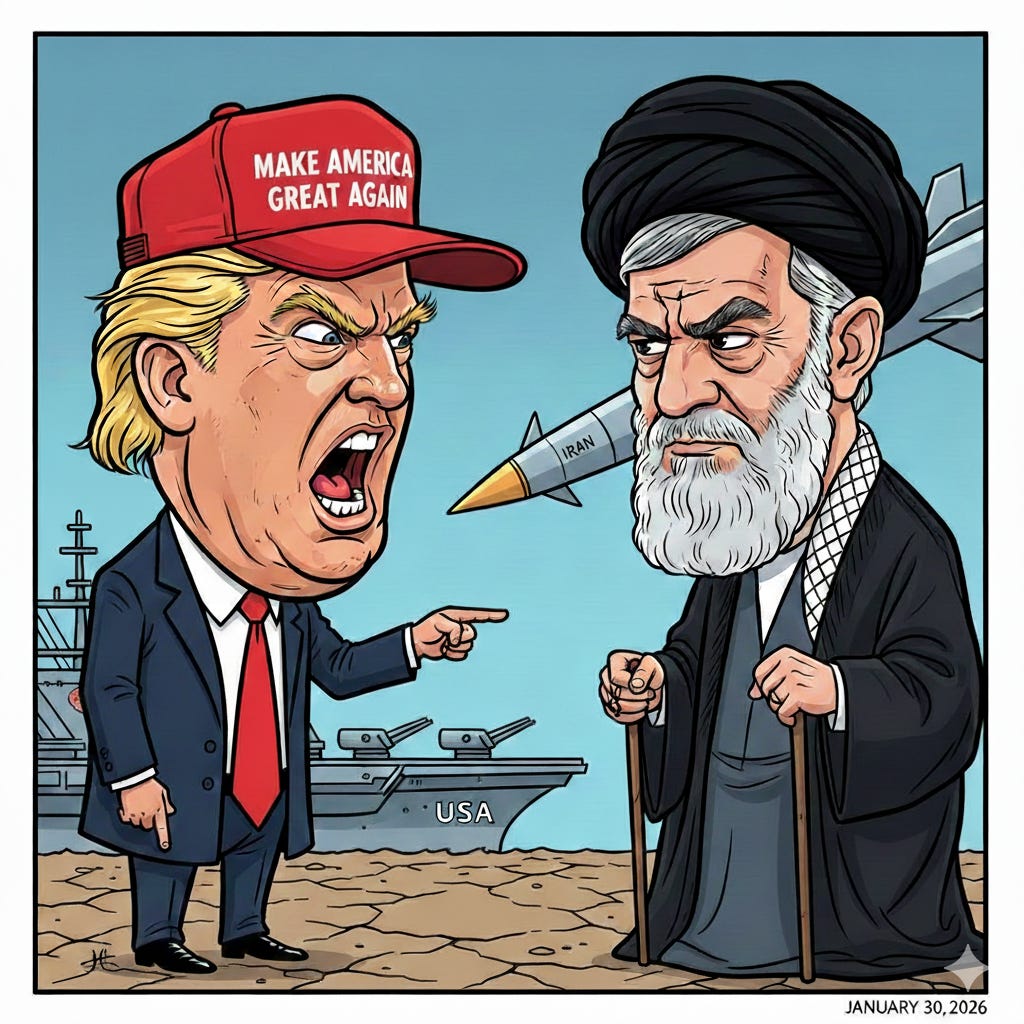
Trump and his aides say a power struggle is underway in Iran between hardline militants and civilian parliamentarians. Maybe. But this dodging and weaving could last for weeks or months while petroleum remains bottled up in the Persian Gulf.
[See the economic costs of the Iran war, so far]
Iran knows Trump’s popularity is sinking at home, and many in the regime feel they can wait Trump out: The longer they can keep oil and gasoline prices high, the worse it will get for their adversary. Trump threatens to renew the bombing of Iran, but that could push oil and gas prices even higher, so Iran’s answer to that is, go ahead, make my day. The US blockade does seem to be blocking some Iranian oil exports, as intended, but that doesn’t get more oil flowing through the strait.
As I wrote earlier this week, it took 20 months for President Obama’s team to negotiate the 2015 deal with Iran that put limits on its nuclear weapons program. Trump obviously thinks the threat of bombing will produce a much faster result. But Iran wasn’t throttling Persian Gulf oil shipments in 2015. It is now.
There are three things to know about the Iran war at this point:
1. Every Trump deadline is arbitrary and subject to change.
2. Iran’s ability to disrupt Persian Gulf shipping provides powerful negotiating leverage that it will use ruthlessly.
3. The closer the midterms get, the less likely it is Trump will resume bombing.
[See why it could take months for the Iran war to end]
Warsh delayed. Kevin Warsh, President Trump’s nominee to be the next Federal Reserve chair, passed his Senate confirmation hearing on April 21. Democrats tried to goad Warsh into bashing Trump, a trap he dodged. When asked if he would be a Trump “sock puppet,” Warsh said “absolutely not.” That’s the obvious (and right) answer, and the Senate will likely confirm Warsh.
But probably not before Powell’s term expires on May 15. “We do not expect Warsh to be confirmed by May 15th and it’s possible a confirmation does not take place for months,” Henrietta Treyz of Veda Partners advised clients in an April 20 update.
Here’s what’s going on. Republican Sen. Thom Tillis of North Carolina says he won’t vote for Warsh until the Trump Justice Dept. formally ends a bogus criminal investigation into Powell, supposedly for cost overruns at a big Fed renovation project. That is Trump’s effort to punish Powell for not cutting interest rates enough. Other Republican senators support Tillis, as a way of protecting the independence of the Fed and preventing Trump from politicizing monetary policy, which could be an economic disaster.
Trump could end the DOJ witch hunt of Powell any time he wants. But being Trump, he needs some kind of face-saving pretext to stop an investigation that’s going nowhere. There are GOP machinations in the works to establish some nominal form of Congressional oversight to supplant the DOJ probe and give Trump a “win.” But that could take a while.
Powell would remain de facto Fed chair until the Senate confirms Warsh. Markets are comfortable with Powell and won’t complain if stays in the job a while longer. As for rate cuts, investors think the odds of the Fed lowering rates at all this year are well below 50%. Trump’s Iran war has caused a burst of inflation that will likely persist for most of the year. The Fed almost never lowers rates when inflation is rising, and even if Warsh wanted to, most of the other 11 voting members at the Fed wouldn’t go along with him.
To reiterate: Trump has established two barriers to getting what he wants at the Fed. His contrived criminal campaign against Powell will delay the installation of the man Trump wants to replace him. And Trump’s own war has precipitated inflationary conditions that will prevent the Fed from lowering rates.
I discussed the outlook for Warsh’s nomination CNN on April 21. Here’s the clip:
The real outlook for gas prices. Energy Secretary Chris Wright said on April 19 that energy disruptions caused by the Iran war could keep gas prices above $3 per gallon until next year. He’s probably right, and he might even be understating the case. The Energy Information Administration, considered reliable, forecasts an average gasoline price of $3.70 per gallon for all of 2026, and $3.46 per gallon for 2027. That’s consistent with other forecasts.
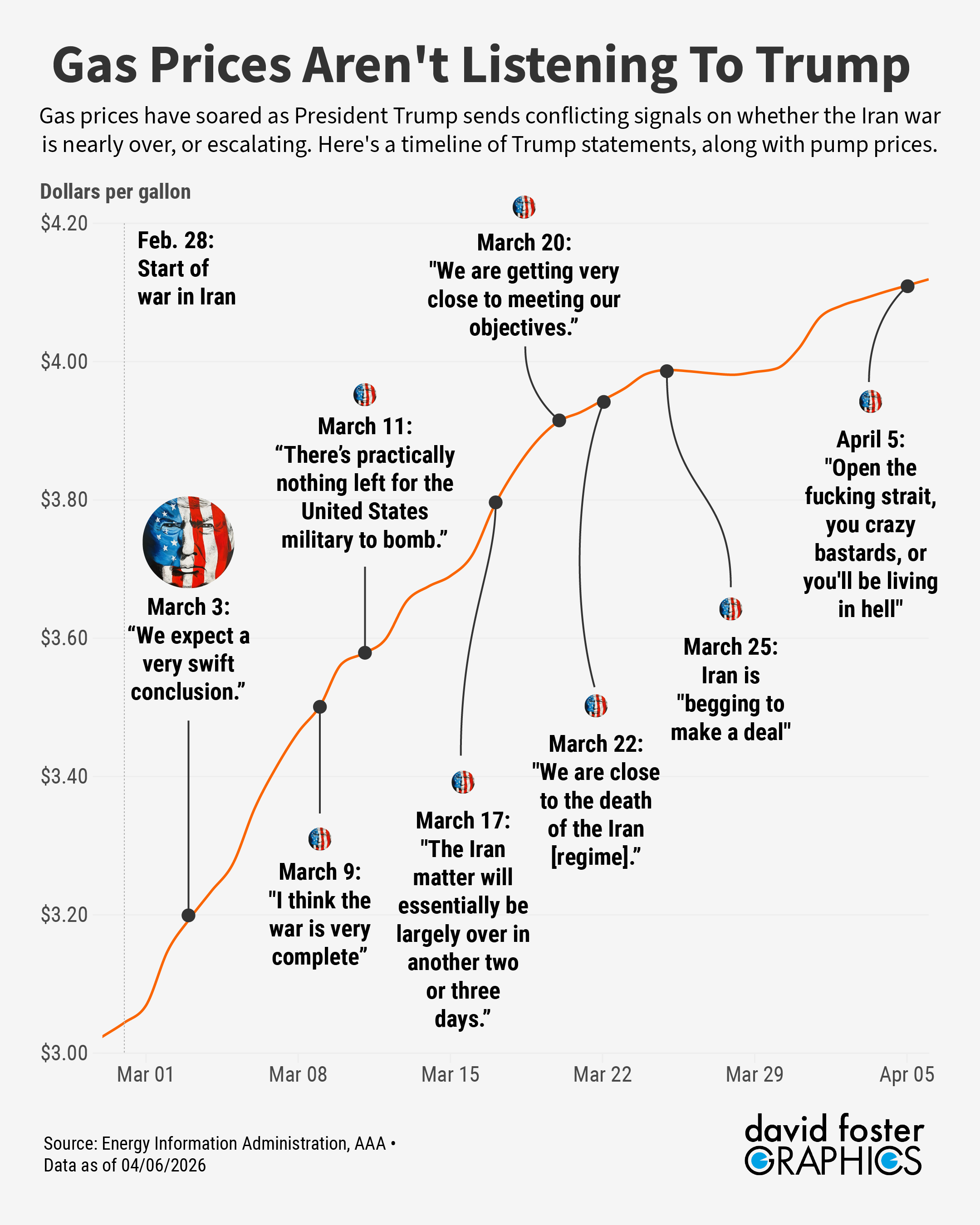
Trump disagrees. A day after Wright spoke, Trump said his forecast was “totally wrong.” But hold on: They could both end up being right. Trump said gas prices will sink below $3 “as soon as this ends.” So if the Iran war isn’t fully resolved until 2027 (see above), and prices then drop back below $3, it’s a win-win!
Except Wright is now in the uncomfortable position of being publicly contradicted by his boss. This tends to happen to Trump appointees who try to protect their own credibility by refusing to lie for Trump. Do it enough, and Trump dumps you.
[See all of Trump’s losing causes]
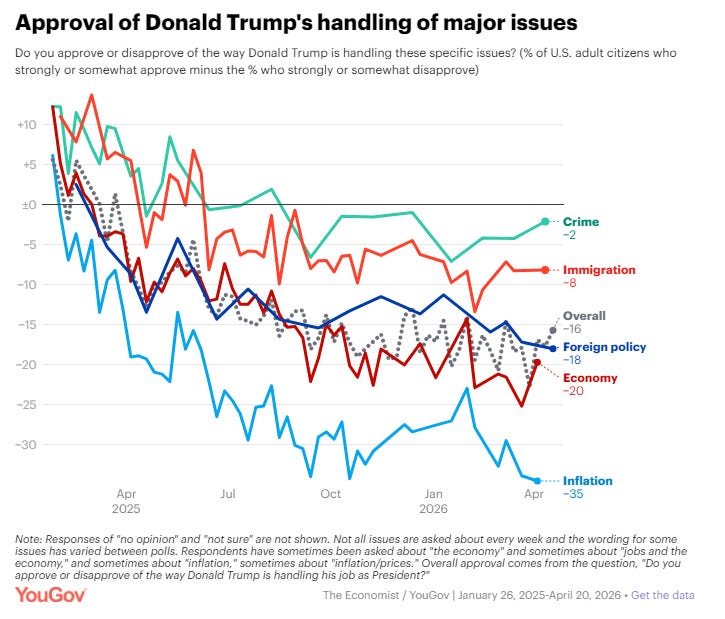
Trump sinks. Trump’s approval rating has now fallen below 40% in several polls, at or near a record low for his two presidential terms. Perhaps more alarming for Trump is his standing on two issues that got him elected in 2024. His net approval rating on the economy has plunged from +12 when he took office to -20, according to YouGov. On inflation, his net approval has totally crashed, from +6 when he took office to -35.
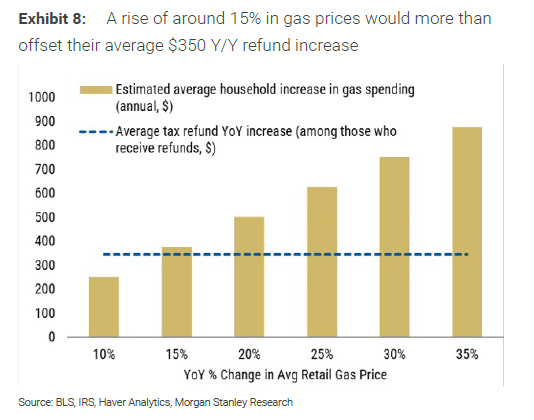
This could get worse for Trump. Morgan Stanley estimates that an annualized 15% increase in gasoline prices would wipe out the average increase in tax refunds most workers are likely to get thanks to the tax cut law Trump signed last year. The average refund is expected to be about $350 bigger this year. But if pump prices average $3.70 this year, as the EIA forecasts, that would be 19% higher than the average 2025 price of $3.10. The extra $350 will go right into the gas tank, and then some.
Before he started the Iran war on February 28, Trump’s plan was to tout those tax cuts as the centerpiece of his “affordability” plan. Now he’s made affordability considerably worse. That’s why he wants people to think gas prices will fall quickly and rapidly. Once again: The Iranians know what a mess Trump has put himself in, and are in no mood to offer mercy.
Cabinet follies. I predicted in March that Labor Secretary Lori Chavez-DeRemer was a goner, based on a series of scandals too tawdry even for Trump. She resigned on April 20. So who’s next? I’ve been lobbying for Trump to fire Defense Secretary Pete Hegseth, whose macho overcompensating fails to mask epic incompetence evident in disastrous planning for the Iran war. But Trump doesn’t seem to get the picture, yet.
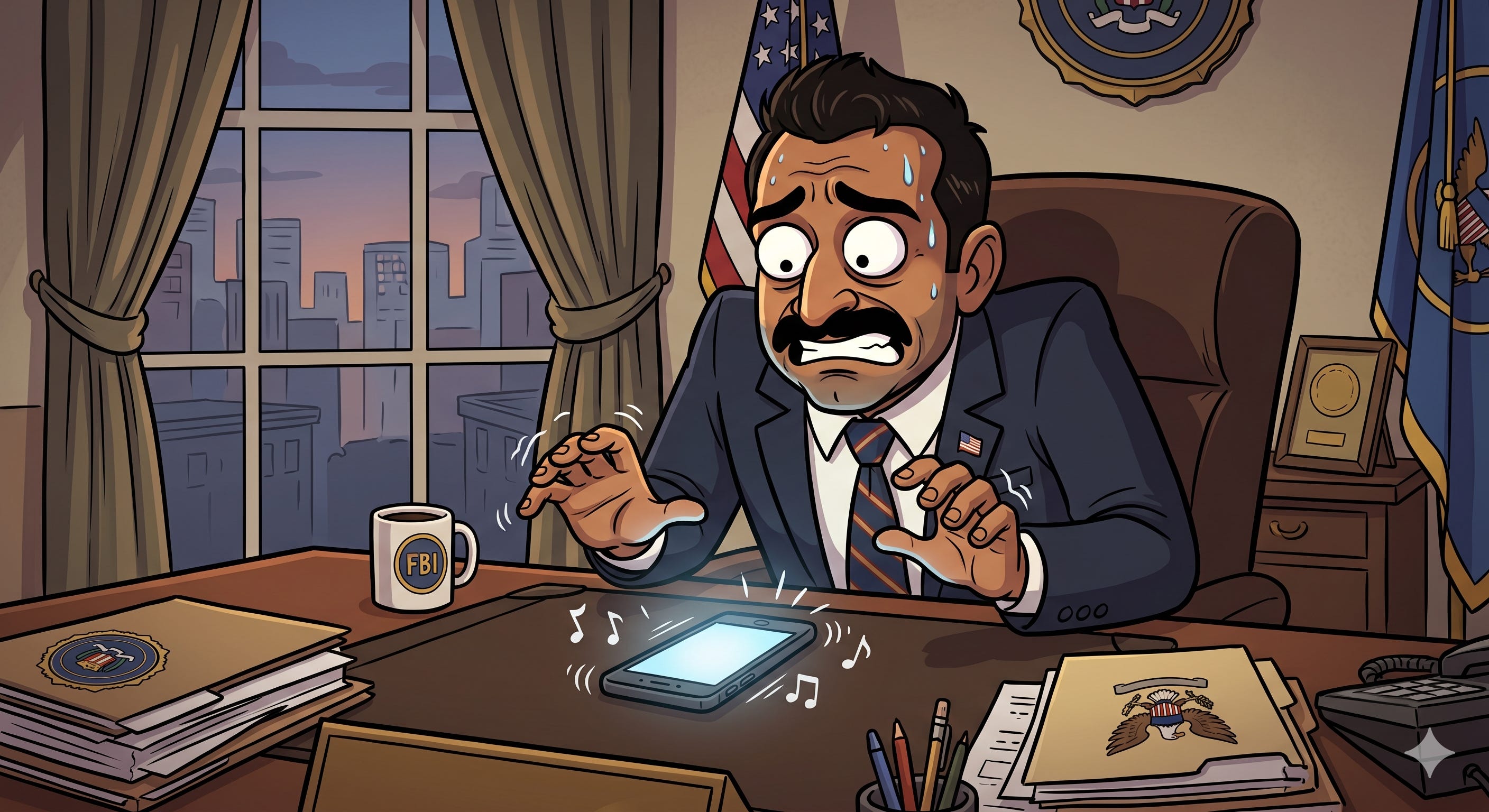
So Kash Patel, the FBI director, seems like a fun target to focus on. The Atlantic reported on April 17 that problems with Patel include “conspicuous inebriation” and “unexplained absences.” His staff sometimes has trouble waking him up after benders, and routinely reworks his schedule to make up for no-shows, according to the magazine. That comes on top of allegations that Patel uses a government jet for personal travel for himself and his girlfriend. Many critics said Patel wasn’t up to one of the most important jobs in government, which is pretty much self-evident.
Trump wants to clean house before the November midterms, so he doesn’t have to risk getting Cabinet nominees past a Democratic Congress, if Republicans lose the Senate. So Patel might be a marked man. He denied the Atlantic allegations and filed a $250 million defamation lawsuit. But don’t bank much on that. Acclaimed news operations such as the Atlantic have good lawyers and know how to vet stories. Plus, if the Patel lawsuit gets anywhere, it would involve a discovery phase that could reveal even more embarrassing material. Patel’s lawsuit is for show, just like Trump’s $10 billion lawsuit against the Wall Street Journal for publishing truthful material about Trump’s links to Jeffrey Epstein. A federal judge threw that out on April 13.
Tariff refund. The Trump administration has set up a system to refund some $166 billion in tariffs improperly paid by American importers. This follows the February Supreme Court decision shooting down the “emergency” tariffs Trump had imposed on imports from dozens of countries.
The details of the refund mechanism aren’t important to ordinary people. What is important is that Trump is complying with the court’s order. After the February 20 ruling, some analysts thought Trump might drag his feet on refunds, forcing more litigation. The relatively prompt refund process suggests Trump and his minions don’t have the stomach to push the Supreme Court any further. Good!
There’s one funny sidelight: On April 21, Trump said it would be “brilliant” for companies that are owed tariffs to decline to collect them. “I’ll remember them,” Trump said, as if he has some special favors in mind for firms that leave money on the table.
In the real world, CEOs of public companies are required to do whatever is in their shareholders’ interest, and reclaiming money illegally collected by the federal government would seem like an obvious call. But maybe some private CEOs don’t mind paying an illegal tax. Trump owes a business, and he always pays some extra tax, for the good of the country, right? Right? 🙄
You are a good one Rick make no mistake about that. Just keep it going and, every thing gonna be all right.
“I’ll remember them”
Aww, so 'Mafiosan' of him to say that! Used to be "I gonna remember you, capisce?" back in the day.