


Is Congress really fighting over Obamacare yet again, 15 years after it passed?
Remarkably, yes. And health care coverage for more than 20 million Americans is at stake.
The Affordable Care Act has been a work in progress since Congress passed it, with no Republican votes, in 2010. Congress has repealed some parts of the original law and modified others. In general, that has made a complex piece of legislation more effective—and more popular.
Around 45 million Americans now get coverage through the ACA, which helped lower the uninsured rate from nearly 18% in 2010 to less than 10% now. Public approval of the ACA now hovers around 65%, up sharply from the low of 33% in 2013, right before most of the major provisions went into effect.
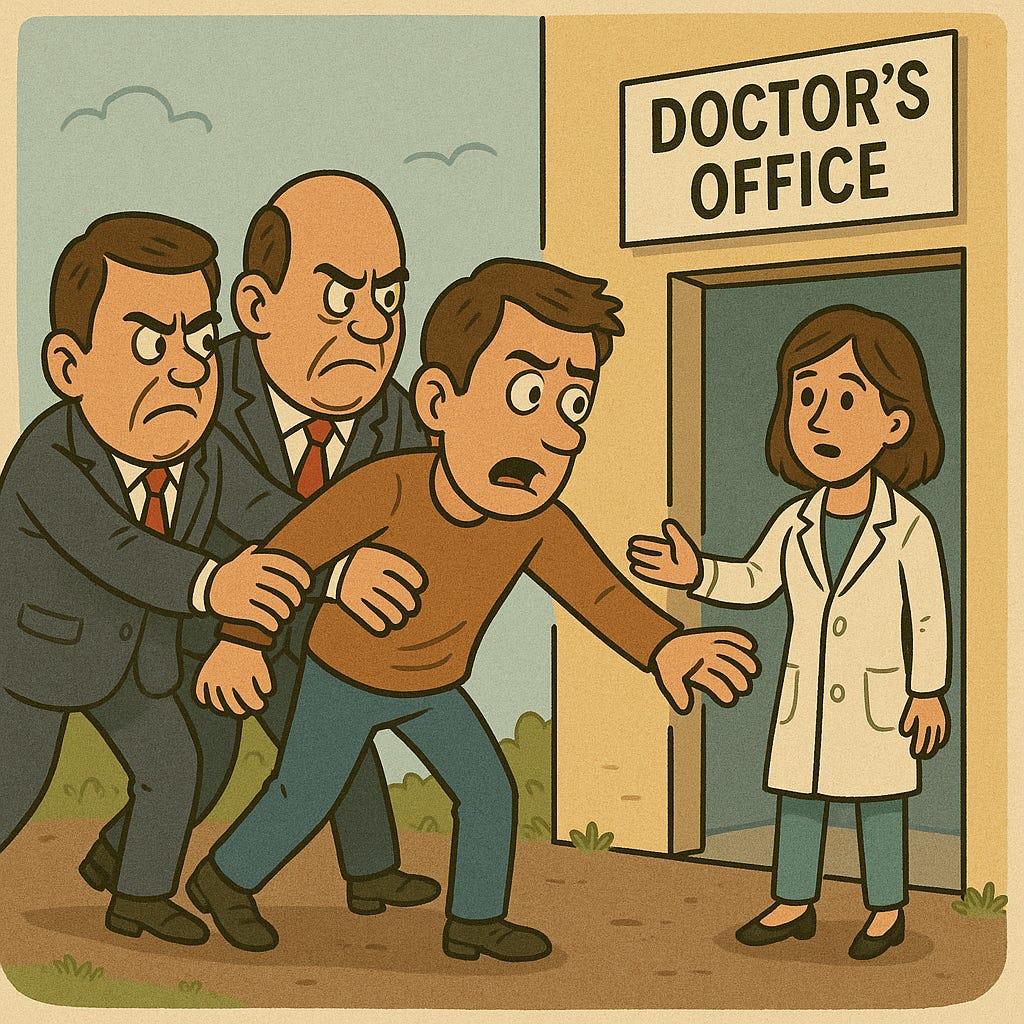
One big change occurred in 2021, when Democrats who controlled Congress and the White House passed new subsidies to help more people pay the premiums for insurance they buy through an ACA marketplace. Lowering costs drew record numbers of people into the ACA, making the program more integral than ever to the nation’s overall health care system.
Those subsidies are due to expire at the end of this year, and there’s now a big legislative fight underway over whether to kill or extend them. Democrats unanimously want to keep them going. Republicans have generally opposed every part of the ACA, and seem inclined to let the subsidies lapse. But that now puts them in opposition to a program Americans have grown to like and rely on.
If the subsidies expire, the cost of monthly premiums would jump for most of the 24 million people who buy insurance through an ACA marketplace. The average increase would be around $1,000 per year, according to KFF.

The burden would be heavier on workers in certain income pockets. A four-person family earning $90,000 per year would have to pay $3,735 more. An individual with a $35,000 income would have to pay $1,582 more. For some people, the cost of insurance would become prohibitive, and they’d have to go without. (The expiration of the subsidies wouldn’t affect the 20 million or so who get ACA coverage through Medicaid, who are generally the poorest enrollees.)
The ACA has helped a lot of people and is pretty popular. It’s also bipartisan, at least on the receiving end: About 57% of the enrollees live in Republican districts. The federal cost of the subsidies is around $130 billion per year, but that’s a fraction of the cost of the tax cut bill Congress passed over the summer.
So what’s the problem? Why doesn’t Congress just keep the enhanced subsidies going?
The basic problem is that Congressional Republicans have backed themselves into an ideological trap. Since Republicans have stood against the ACA from the beginning, there’s political inertia to stand against it forever. Supporting a huge program passed by Democrats and signed into law by a Democratic president would be an unpardonable sin for many Republicans—even if the program benefits their own constituents.
Ironies abound. Some parts of the ACA are similar to Republican health reform proposals from the 1980s and 1990s. Back then, the GOP was more moderate and there was serious interest among some of them in fixing a health care system that left many people uncovered. The party is now more strident and combative, with leaders focused more on wrecking the Democratic brand (pretty easy, TBH) than solving real problems.
Since a Democratic Congress passed the ACA in 2010, the main GOP health care plan has been to simply kill the Democratic plan. President Trump famously pushed “repeal and replace” during his first presidential term, in 2017. But there was no cogent replacement plan, and Republicans fell a few votes shy of killing the ACA. They were the dog that caught the car and didn’t know what to do next.
Republicans caught the car again this year. Control of Congress and the White House gives Republicans all the votes they need to let the enhanced subsidies expire, bump a couple million people out of the program and come up with some kind of alternative. Yet with just a handful of working days left in Congress this year, Republicans still don’t seem to know what to do.
There are three basic things that could happen. Republicans could give in and agree to hold a vote on extending the subsidies as they are, for a year or two or three. It would probably pass, given that all Democrats and some Republicans would likely vote for it.
Trump actually suggested recently that he might sign such a bill. But there was immediate backlash from stalwart conservatives appalled that Republicans would ever vote for a Democratic priority. You can’t lose face like that on today’s political battlefield.
Republicans could come up with a different type of subsidy they can claim as their own, even if it works like the measures they’re replacing. But no such plan has gelled and there may not be enough time to gin one up by the end of the year. They’d also run the risk of messing with people’s insurance late in the enrollment period and catching the blame for whatever horror stories might result.
There’s also a very real chance the subsidies just expire, and insurance costs rise for those 20 million Americans. That might seem foolish at a time when Trump’s approval rating is tumbling and voters are clamoring for help with the high cost of everything. But in a way, that outcome might be pre-ordained by 15 years of Republican insistence that everything about Obamacare is bad.
Democrats say that if the ACA subsidies expire, they’ll refuse to vote for temporary spending bills that run out at the end of January, which would mean another government shutdown. Could it really get that bad? Yes, it could.
It could end up better than that, too. But a few Republicans would have to demonstrate the courage to change their minds and get behind something millions of Americans want, and need. Oh, the suspense.
Again both parties work for their self so they can say i did that. They do not care to work together because, you can not politic on that when your trying to win the vote. This is why our country is so divided because ,with Trump in office our government is even more divided now than ever. The old 80/20 plan worked better for all but,got rid of that. If you keep going the way we are going the emergency rooms are going to be full.
This mess is the result of intransigence by both parties. There is a solution. But it will take months to craft (1 year).
Ideally, I'd envision major savings with primary care being out of pocket with enhanced HSA's. Then a catastrophic coverage plan resembling the Blue Cross ( Association) models for hospitalization. This was successful in the 1960's.
Of course, Congress needs the courage to incur the wrath of insurers and the PBM's. They have lobbied with big money to keep it from happening.
If Congress fails, elect only people who will promise to address this. This is not "partisan,'
Sooner or later everyone will find the emergency room.