

Rick on MS Now: Kevin Warsh Bombed
The Federal Reserve held interest rates steady. Yet interest rates rose. Here's what is going on.

I joined MS Now, the new incarnation of MSNBC, on July 30 to discuss the weird situation with interest rates and the Federal Reserve’s latest theatrics. Bullet points below. Here’s the clip:
The Fed meeting that concluded on July 29 was really odd because the Fed left short-term interest rates steady, as the market expected. Yet stocks fell and long-term rates rose on the news. WUT?
Here’s what’s going on: First, new Fed Chair Kevin Warsh has confused investors and left them very unimpressed. He talks like a “hawk”—somebody determined to wrestle inflation down to 2%—yet the Fed’s actions, doing nothing, are dovish.
“The Warsh press conference has left investors with a bad taste in their mouths,” David Rosenberg of Rosenberg Research wrote in a July 30 analysis. “The mantra is that he was not tough enough in his inflation rhetoric. The Fed Chairman served up platitudes, but as is the case with this central bank, he offered no explanations or analysis.” Many other analysts were similarly skeptical.
[Check out The Weekly Matterboard: Missing Mitch Edition]
Inflation is now 3.5%. The Fed wants inflation at 2%. One way to get it there would be raising short-term rates. Markets are now pricing in the likelihood that the Fed will not do that, and will tolerate inflation higher than its target for the foreseeable future.
The Fed controls short-term rates that mostly affect banks. It does not control long-term interest rates. The market does. Long-term rates rise when expectations of future inflation jump. That’s because investors buying bonds demand higher rates to account for the eroding value of money.
Long-term rates on bonds determine the rates on mortgages and most other consumer and business loans. So what really affects most people is long-term rates set by the market, not short-term rates set by the Fed. They are related, but not the same.
This could all unwind. Inflation is high largely because of the Iran war, which has pushed up the cost of energy and many other things. If the war subsides, inflation will come back down and it will be easier for the Fed to do nothing. If anybody knows when the Iran war will end, call me first—then call Warsh.
Bottom line for Warsh—he needs to prove himself to markets. His predecessor Jerome Powell made mistakes, such as letting inflation get too hot in 2021 and 2022. But later rate hikes proved Powell was willing to tighten monetary policy and deal with the consequences. Markets aren’t yet sure Warsh has the moxie for that.
Enjoy a cartoon.
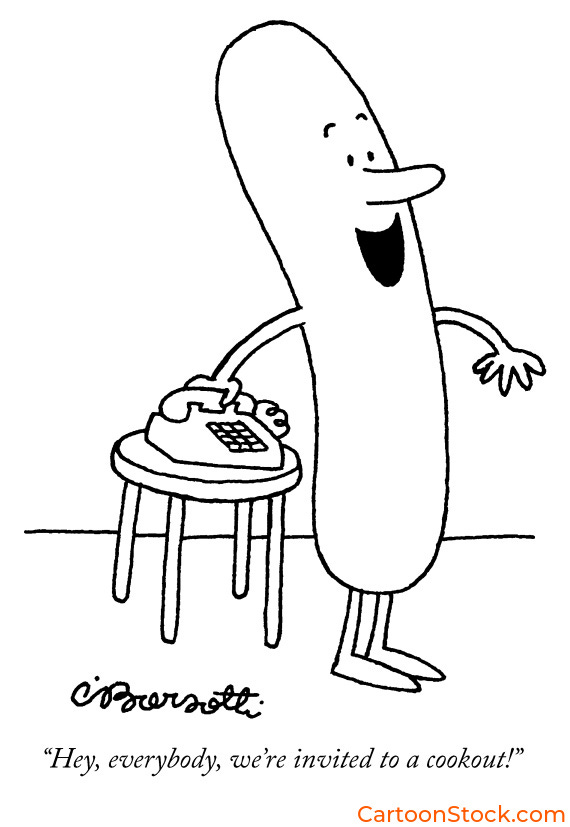
You can order this cartoon👆 and play cartoon-themed puzzles and word games at CartoonStock.com.