


A trip to the grocery store still induces sticker shock. It’s just in a different aisle.
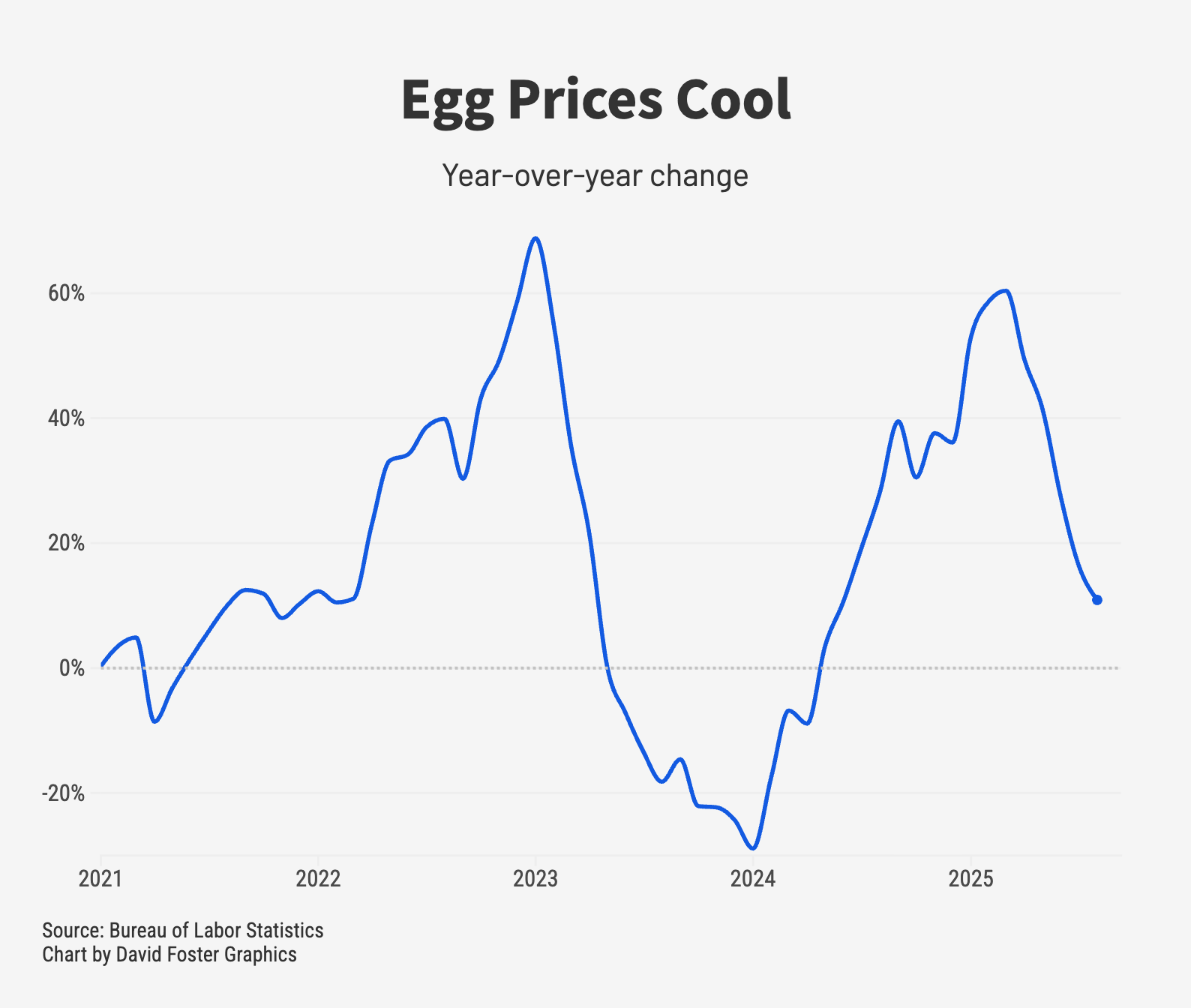
Starting in 2022, a bird flu epidemic sent egg prices to shocking levels. A carton of eggs went for as much as $13, and some stores ran out or limited sales. Eggflation became emblematic of the high prices that dogged Joe Biden’s entire presidency.
Bird flu is receding and egg prices are getting back to normal. But there’s no relief for shoppers because other food categories are now surging, and this could turn out to be as much of a problem for President Trump as Bidenflation was for his predecessor.
Grocery inflation under Biden peaked at 13.6% on a year-over-year basis in August 2022. Prices moderated gradually and grocery inflation was down to just 1.9% when Trump took office in January.
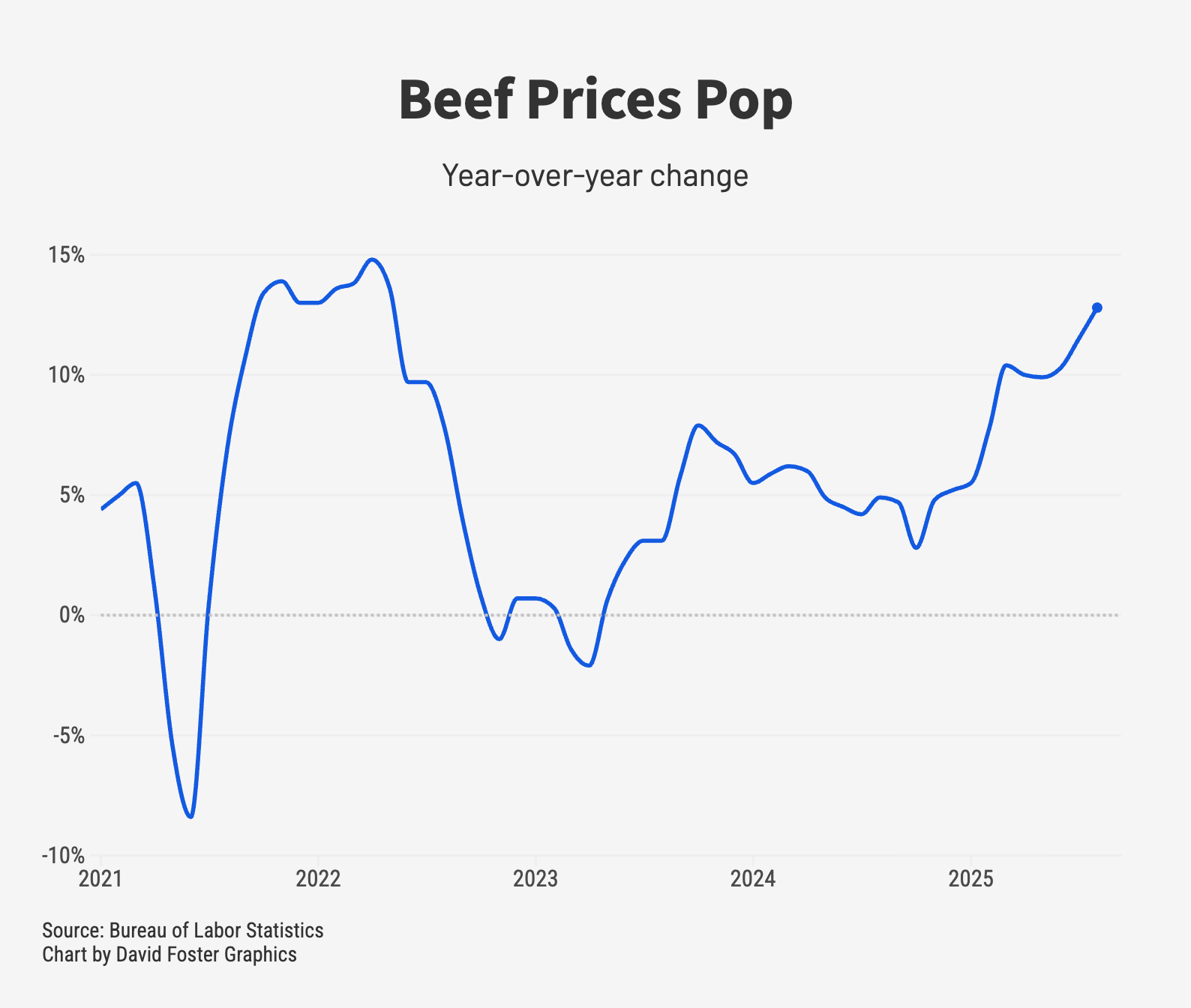
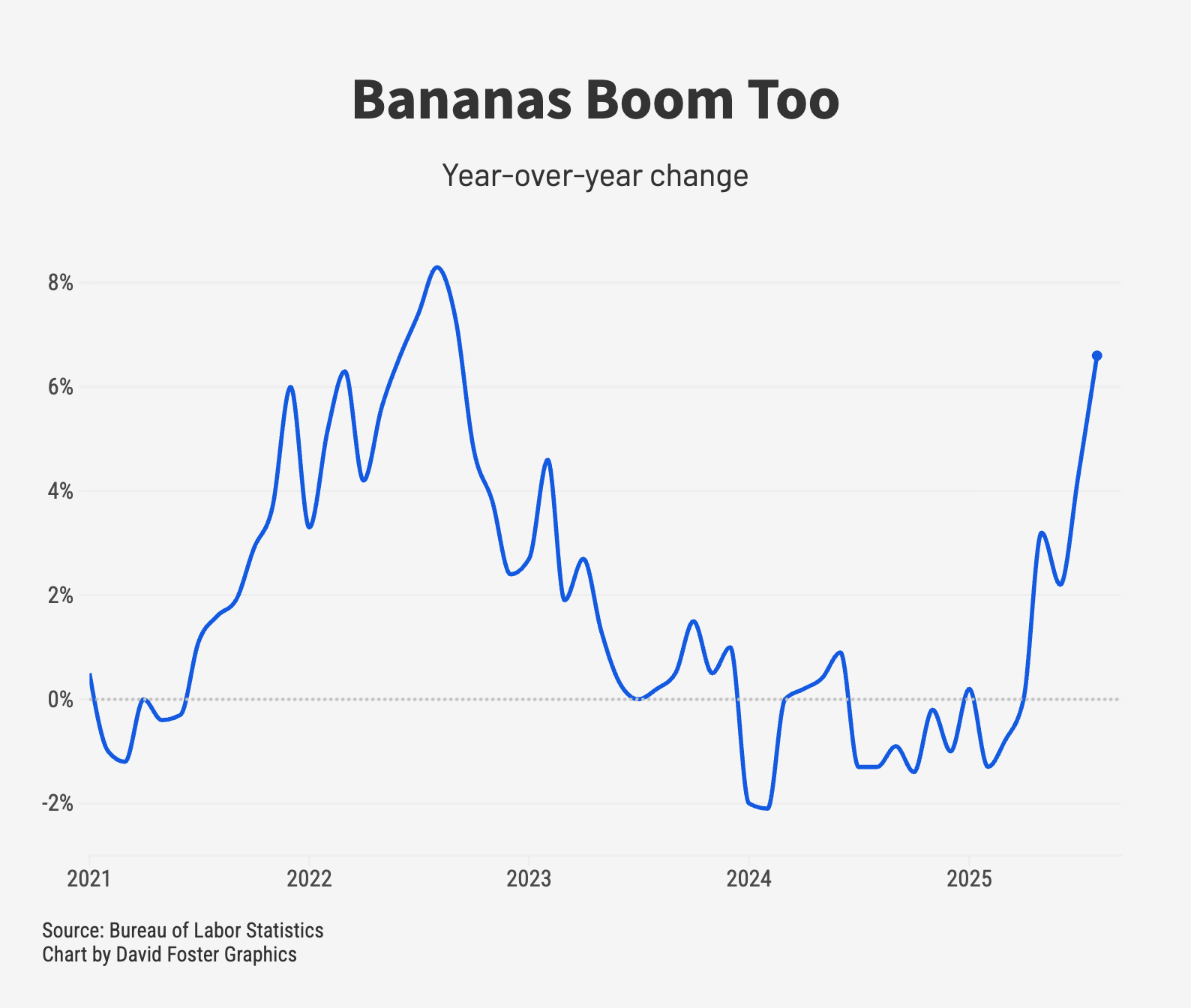
Food prices are now headed back up. The annual rate of grocery inflation is now 2.7%, the highest level in two years. But the shockers are a few everyday items, like eggs two years ago, that are jumping by much more. Coffee prices are 21% higher than a year ago. Ground beef is up 13%. Bananas are up 7%. Graphics data David Foster put the data into the following charts.
These price hikes come as Trump’s tariffs on imported products are pushing up costs for American importers by about $20 billion per month. Importers are passing on much of that cost to their own customers, all the way to shoppers in stores.
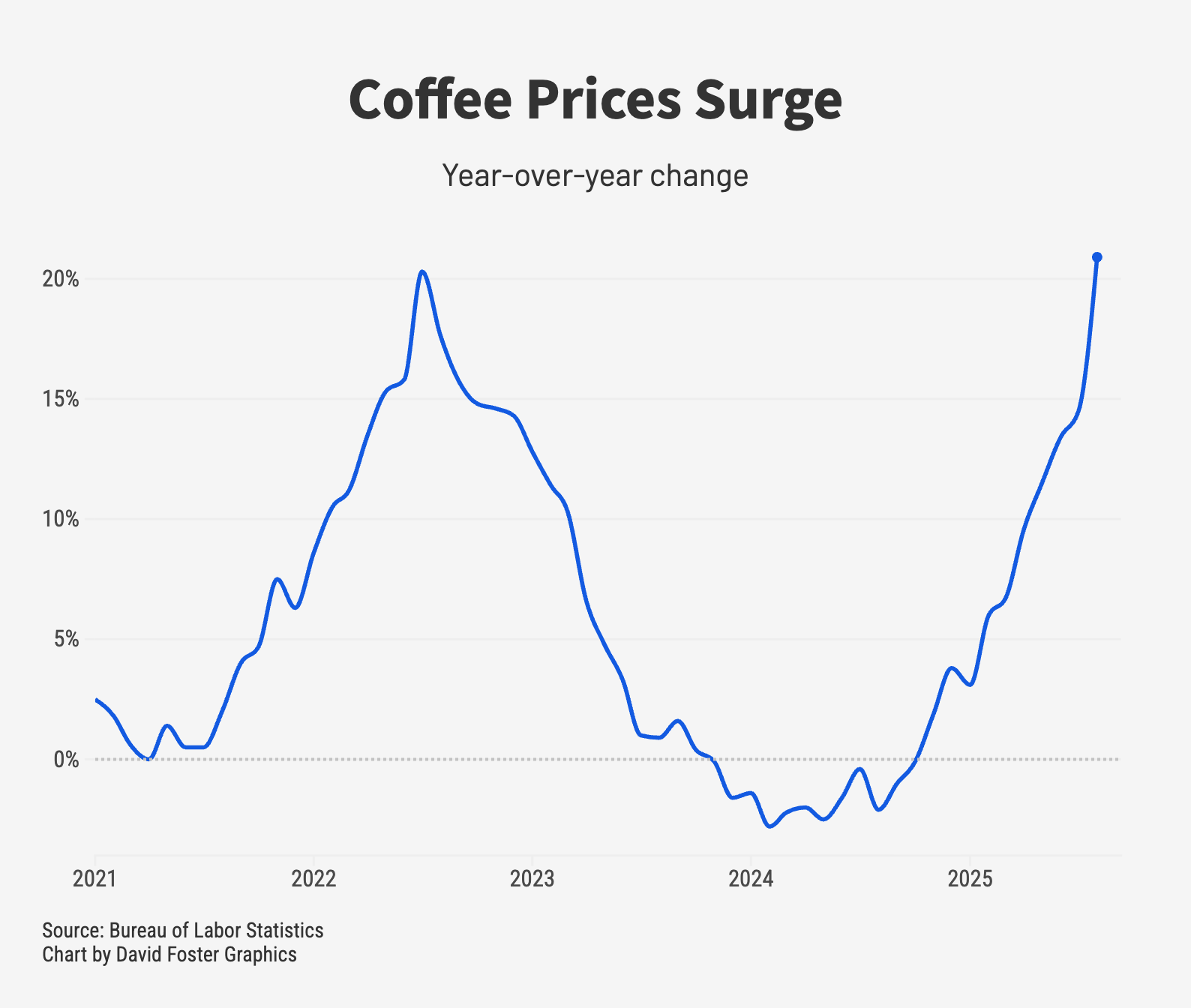
Tariffs don’t explain every penny of every price hike. Coffee prices, for instance, are rising partly because of tariffs but also because of weather-related bean shortages around the world and strong demand.
But tariffs are taxes that directly raise costs, and they’re inherently inflationary. Americans get it. They expect a surge of inflation during the next year, according to University of Michigan surveys. And Trump’s tariffs are the main reason they expect prices to rise. The Tax Foundation estimates the Trump tariffs will cost the typical household $1,300 per year in higher costs and foregone economic activity.
During the 2024 presidential campaign, Trump bashed Democrats for allowing inflation to run rampant and promised to bring prices down. His vow to “end inflation” clearly helped clinch the win.
But voters are souring on Trump’s handling of the economy. Trump’s net approval rating on inflation has plunged from -6% when he took office to -30%, according to Nate Silver’s Silver Bulletin. That means those who disapprove outnumber those who approve by 30 percentage points. That’s the biggest slide, by far, on any major issue Silver tracks.
Trumpflation is likely to get worse. Trump has imposed 50% tariffs on imports from Brazil, a top supplier of coffee to the United States. By the time those work their way through the supply chain, coffee inflation could be 50% or more, according to some estimates. Trump’s tariffs will hit nearly 75% of the US food supply, according to the Tax Foundation. Even tariff-free products, such as American beef, tend to get more expensive when tariffs raise the cost of competing imported products.
A key lesson of Bidenflation was that Americans rapidly turn on a president when they see the price of iconic products, such as eggs or gasoline, skyrocketing. That signals to them that the man in charge is failing, and no presidential rhetoric can convince them otherwise. If Trump hasn’t learned that lesson yet, he likely will.