


Who knows if it’s over. But 15 weeks after President Trump launched his war against Iran, there are tangible signs from both the US and Iran that they want to deescalate and try returning to pre-war norms.
The two warring parties have supposedly signed a “memorandum of understanding,” with negotiations on precise terms to follow and a signing ceremony scheduled for June 19 in Switzerland. This has the hallmarks of a phony deal. Iran is a notoriously wily negotiator not likely to sign off on details to be named later. A substantive peace agreement could take months to hammer out. There might never be one.
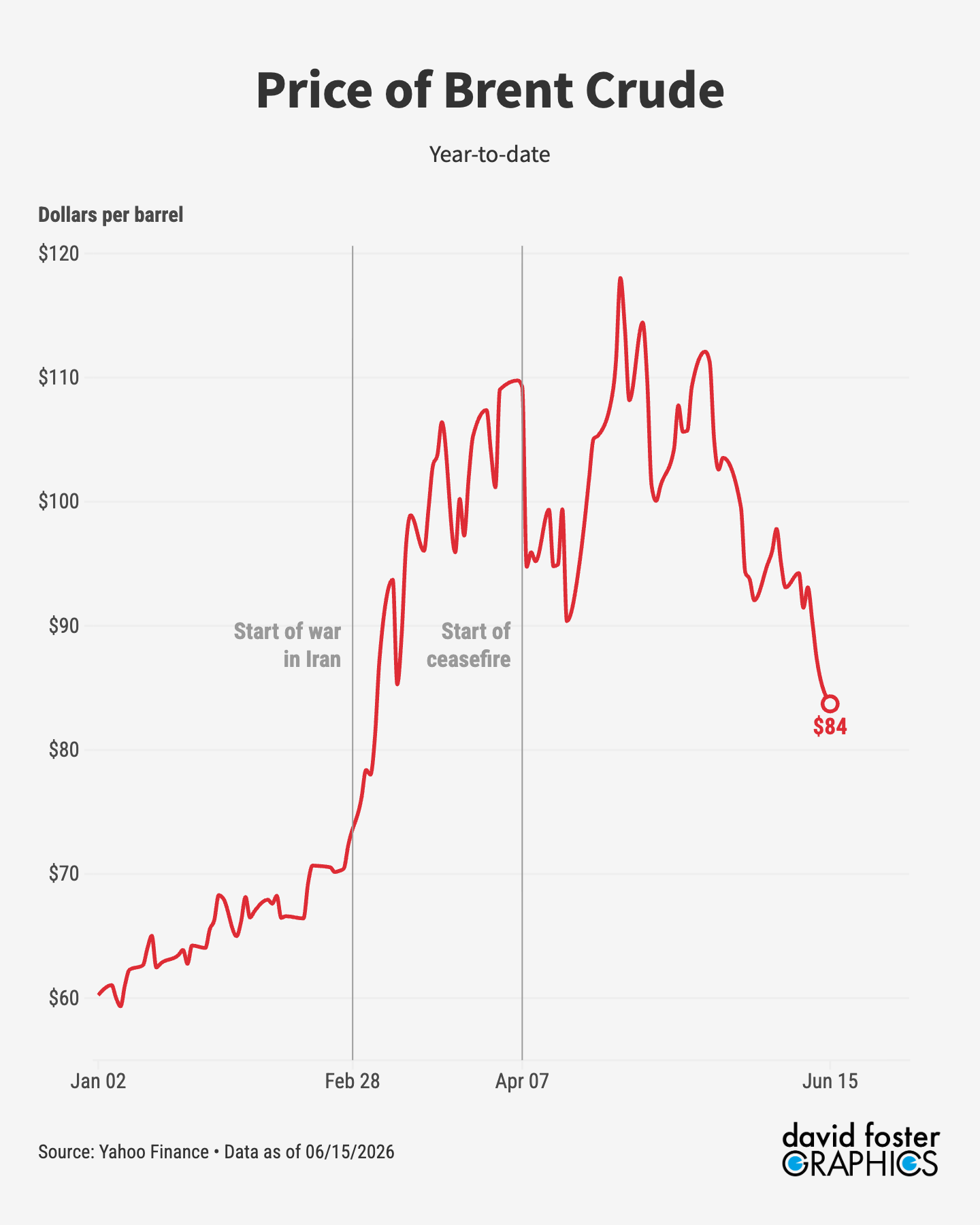
But each side may be tired enough of conflict to kick the can down the road, with the understanding that Iran can once again freely export oil and cargo will start flowing through the Strait of Hormuz. That’s what markets see, which is why Brent oil, which hit nearly $120 per barrel in April, is down to $84.
It’s been a momentous four months. Here’s what we’ve learned:
Trump is capable of colossal blunders (duh). It’s hard to think of a presidential decision in modern times that has backfired more than Trump’s decision to attack Iran on February 28. Trump obviously thought Iran would fold quickly and he’d have a rapid victory, as in Venezuela at the start of the year. Any national-security expert could have told Trump Iran would be a much tougher foe, and some undoubtedly did.
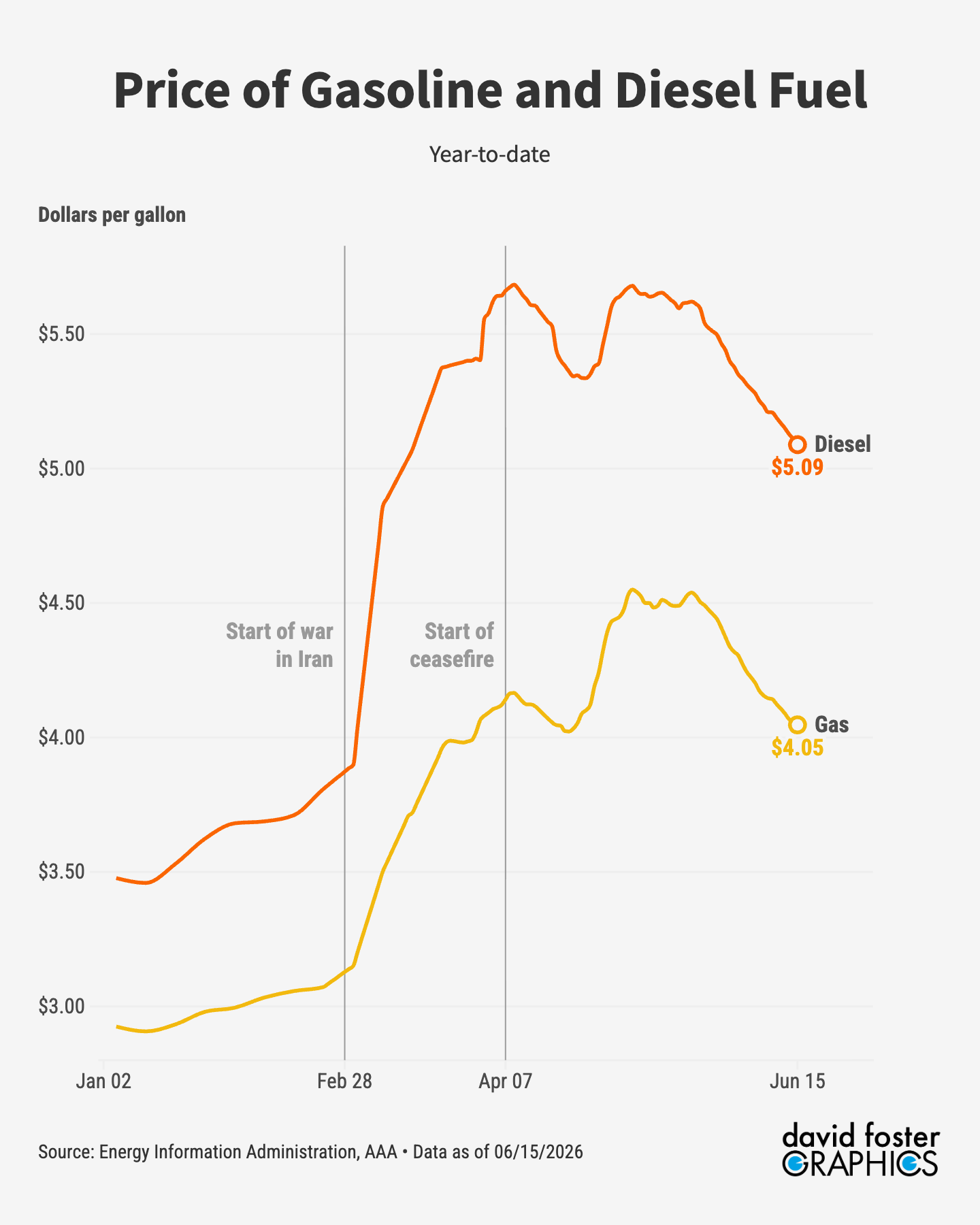
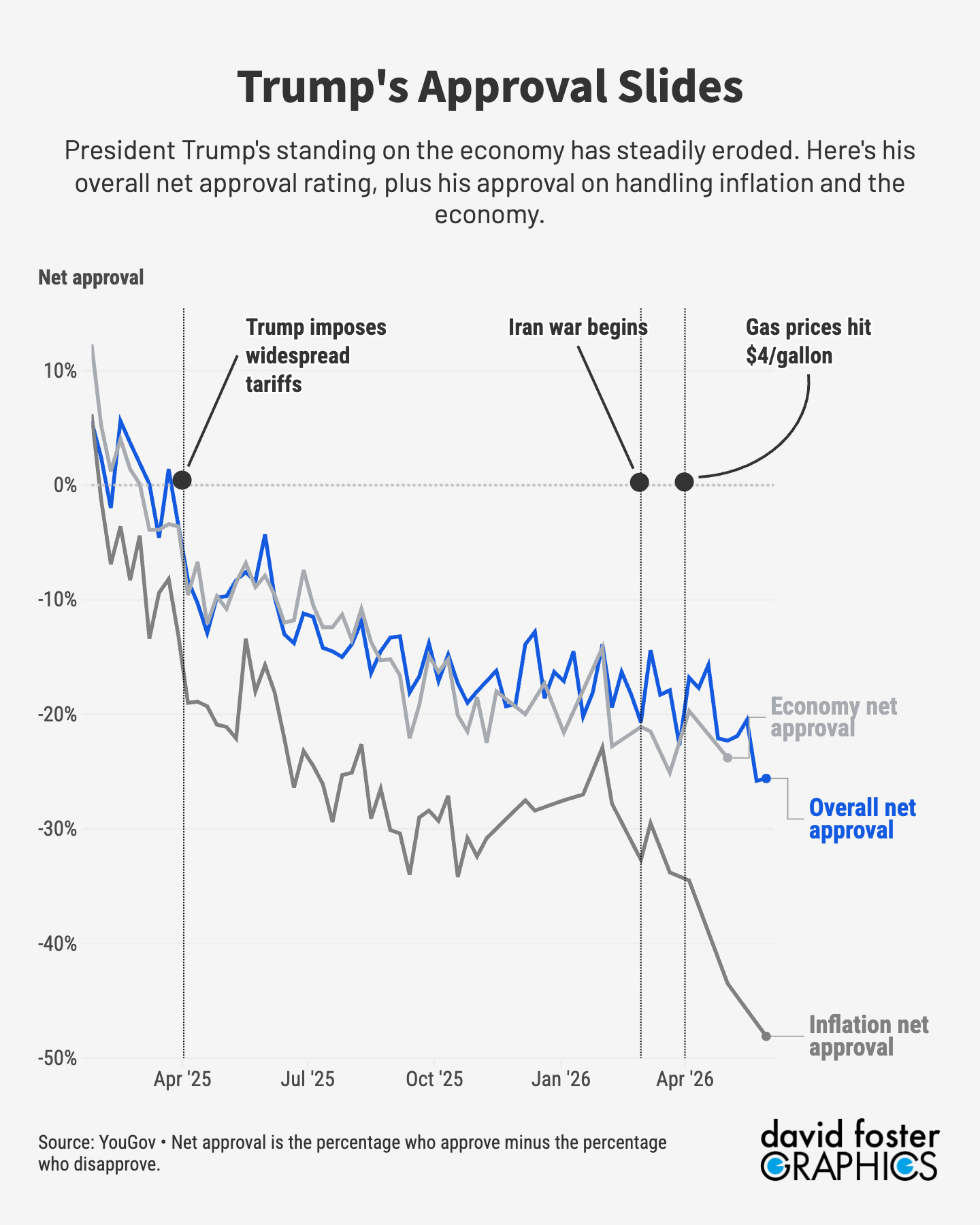
The consequences of Trump’s blunder will be widespread. The Iranian regime’s ability to survive a joint US-Israeli onslaught will embolden Tehran, while proving that America’s vaunted military has limits. At home, Trump’s approval rating has fallen to the lowest level of his two presidential terms, and may never recover. The surge in energy prices, which can only be blamed on the incumbent Republicans, has bolstered Democrats’ chances of taking one or both houses of Congress in the November midterms. There will other long-term repercussions not yet apparent.
Trump failed to displace the Iranian regime (despite what he might claim). The war did nothing to help ordinary Iranians, who are still oppressed by a government most of them hate. Iran still has nearly 1,000 pounds of uranium it can use to build nuclear bombs. Iran has lost a lot of military equipment, and it might be a little more careful in the future about provoking a US or Israeli attack. But it’s hard to see how this war accomplished anything positive and lasting for the United States.
[The SpaceX IPO lands without incident]
The energy revolution of the last 40 years has been a lifesaver. The two changes that stand out most are a huge improvement in energy efficiency and the fracking revolution that made the United States the world’s largest oil and natural gas producer.
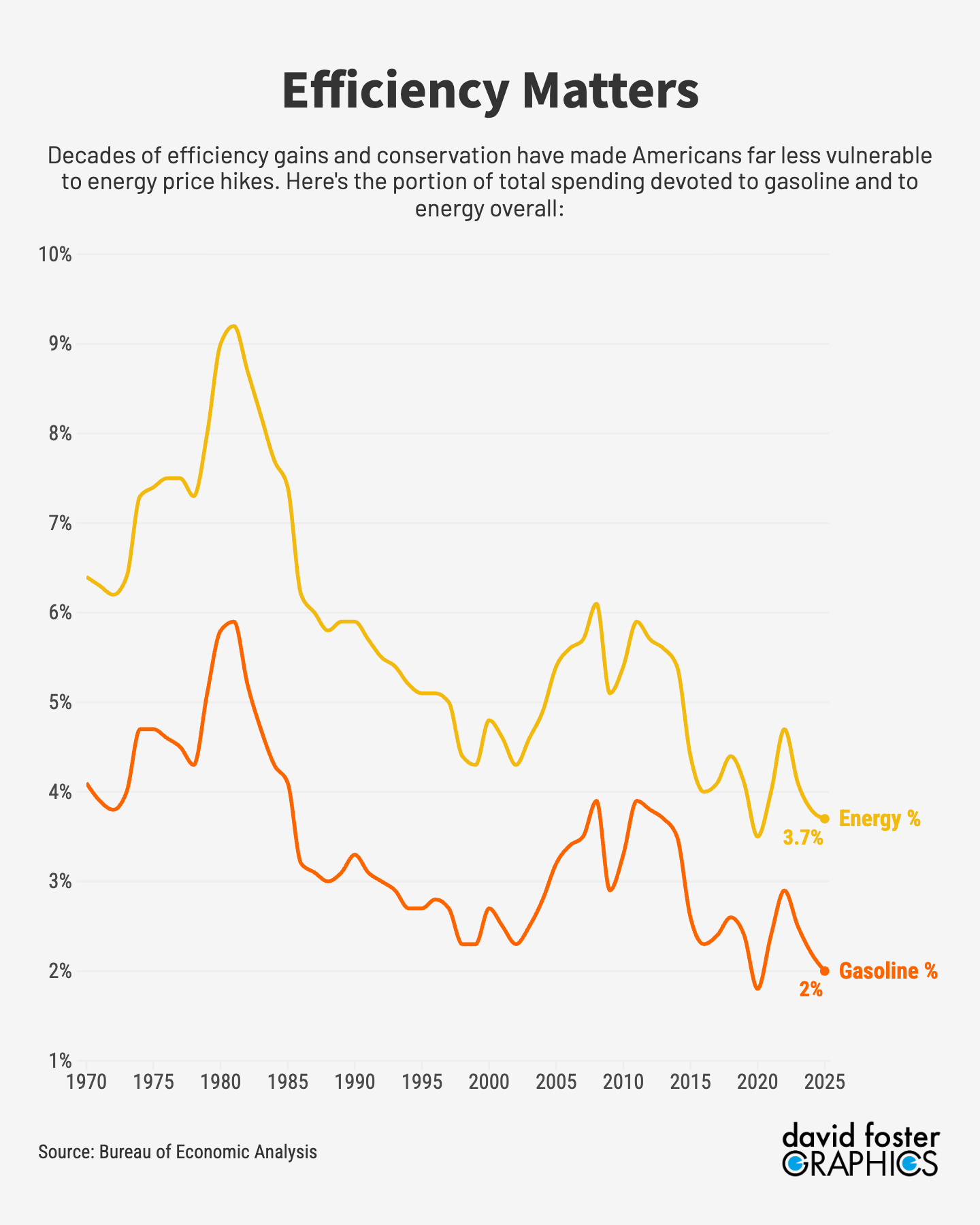
First, efficiency. The closure of the Strait of Hormuz for four months (or longer) was the biggest disruption ever in oil markets, in terms of the volume of oil blocked from global supplies. Yet oil and energy prices remained far below the levels of past crises, in inflation-adjusted terms.
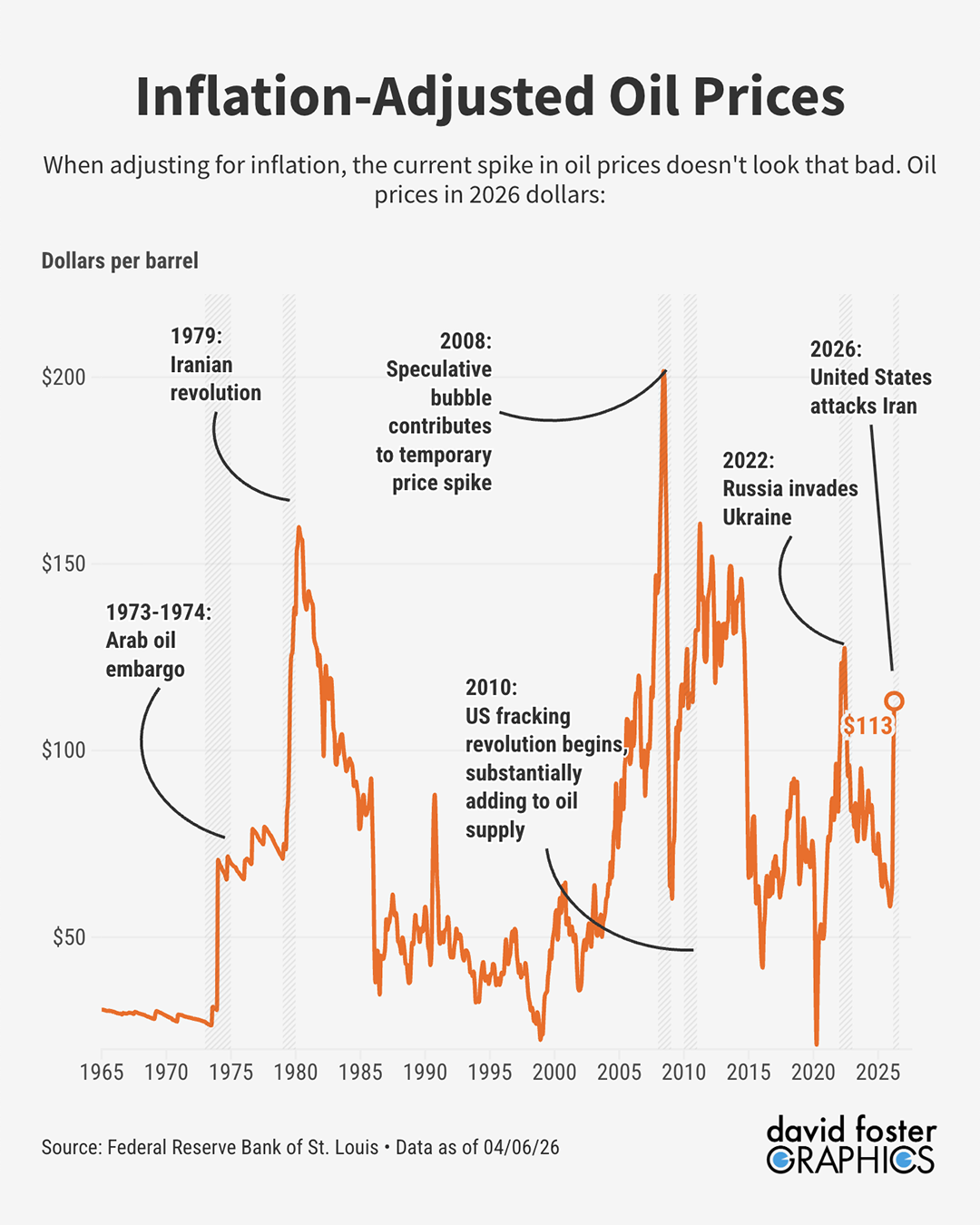
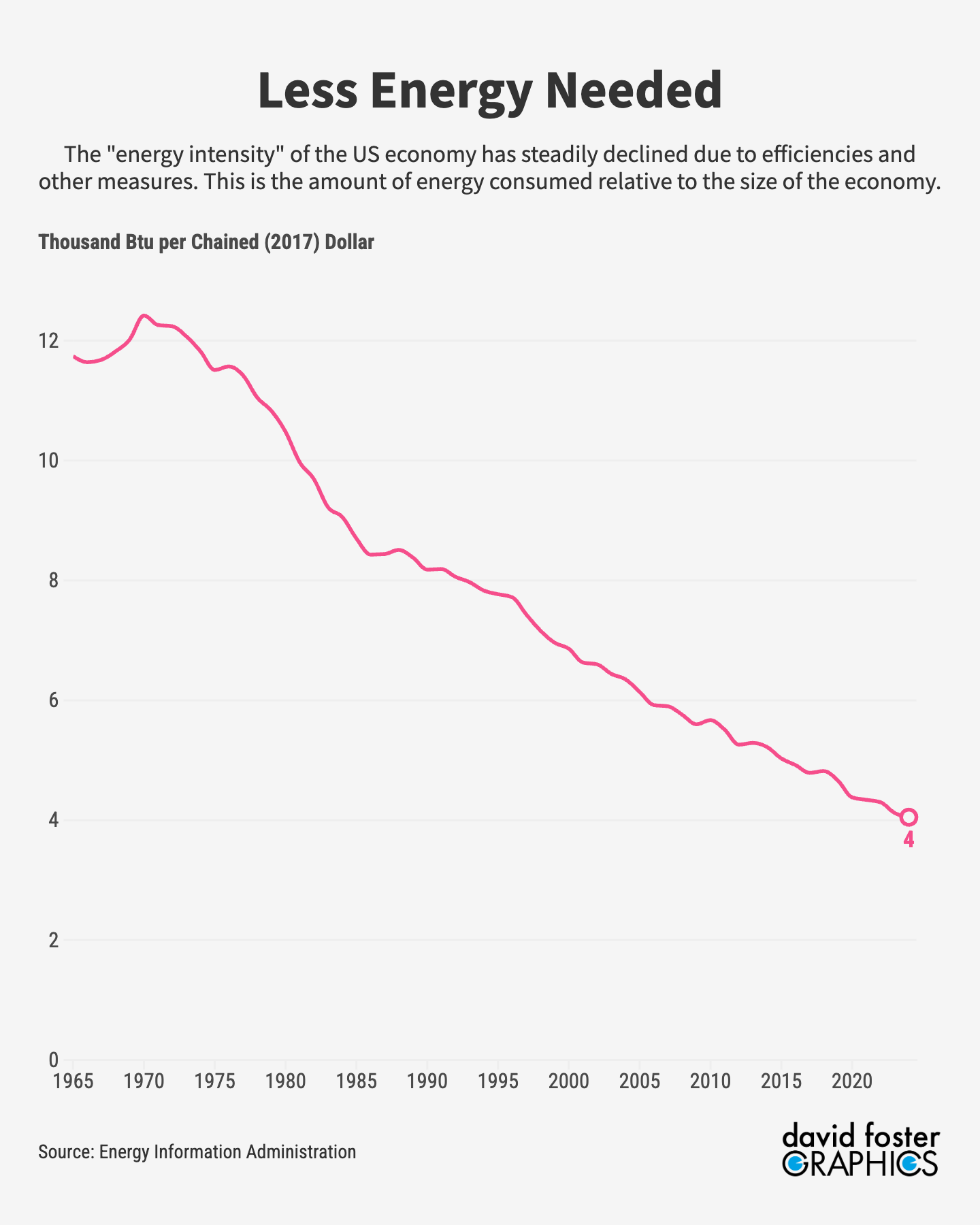
The US economy is far less “energy-intense” than it used to be, which means we produce more with less energy. That’s the result of efficiency improvements throughout the economy: cars that burn less gas, buildings that require less energy to heat and cool, industrial processes that sip fuel, and technological breakthroughs such as heat pumps. These changes mostly happened incrementally starting in the 1970s, but over time they helped minimize a crisis.
The fracking revolution that started around 2010 now allows American drillers to serve as “swing producers” able to generate more oil when markets are tight. US oil production has crept up to record highs and is likely to rise further into 2027. Exports of petroleum products surged in April and May. That doesn’t insulate Americans from price hikes, but it demonstrates that a Middle East energy crisis won’t bring the US economy to its knees as it did twice in the 1970s.
[The Weekly WTF: Trump loves inflation]
Green energy is back. Environmentalists dismayed by Trump’s hostility toward green energy suddenly have something to cheer about. The Strait of Hormuz oil crisis has fueled more solar and wind power production nearly everywhere in the world … except the United States. China, the world’s leading producer of solar-power equipment, is exporting more solar components than ever to dozens of countries. The higher cost of fossil fuels, and the prospect of a sustained crisis in the Middle East, make renewables more cost-competitive at the same time those costs have been plummeting.
[Why Elon Musk is a trillionaire]
Even here, where Trump is going out of his way to block green energy, renewables account for most of the new power generation added to the grid. Trump has canceled many federal incentives for green-energy development, but many states are promoting renewables, which are taking off even in Texas. The growth rate of renewables in the United States has declined, largely because of Trump’s resistance. But investment is still solid. A few years from now, Trump’s crusade against green energy will look like a dunderheaded effort to block the inevitable, with his Iran war marking an important pivot point in favor of renewables.
More big changes are coming to energy markets. Iran has newfound leverage over Persian Gulf energy shipments, but the value of that leverage is probably already declining. That’s because markets are already adapting to the prospect of a single energy hegemon dictating Persian Gulf prices and outcomes.
Saudi Arabia has been bypassing the Strait of Hormuz chokepoint and exporting oil through a pipeline that ends at the Red Sea. The UAE has been exporting oil through a pipeline that reaches the Gulf of Oman, outside the Persian Gulf. These have turned out to be vital workarounds allowing some Persian Gulf oil nations to get some of their product to market.
[Trump’s affordability plan has unraveled]
There’s now a flurry of projects underway to build more workarounds, via pipelines to the Gulf of Oman, the Red Sea, and the Mediterranean, and even trucking routes out of the Gulf that were once thought laughably inefficient. The Strait of Hormuz will remain a crucial cargo passageway, if Iran lets the cargo pass freely. If it doesn’t, the oil nations will find other ways. This will probably happen at other key global chokepoints as well.
Iran will remain a Middle East troublemaker. Don’t believe any Trump statements about how the United States “won” the Iran war or how agreeable the Iranian government suddenly seems. It’s the same group of militant theocrats who want a nuclear bomb, “death to Israel,” and all the grisly perks that come with a dictatorship. Trump once said he “fell in love” with North Korean dictator Kim Jong Un, who eight years later may represent more of a risk to the United States than ever. Let’s hope he doesn’t fall in love with any more tyrants.
The most likely outcome of the Iran war is not a peace deal that tidies everything up and puts all the pieces back together, but an ongoing state of tension in which neither side buckles and nobody’s sure what will happen next. The good news is that markets can probably live with that. The bad news is that Trump will be running the show for the foreseeable future, with future blunders always possible.
Enjoy a cartoon.
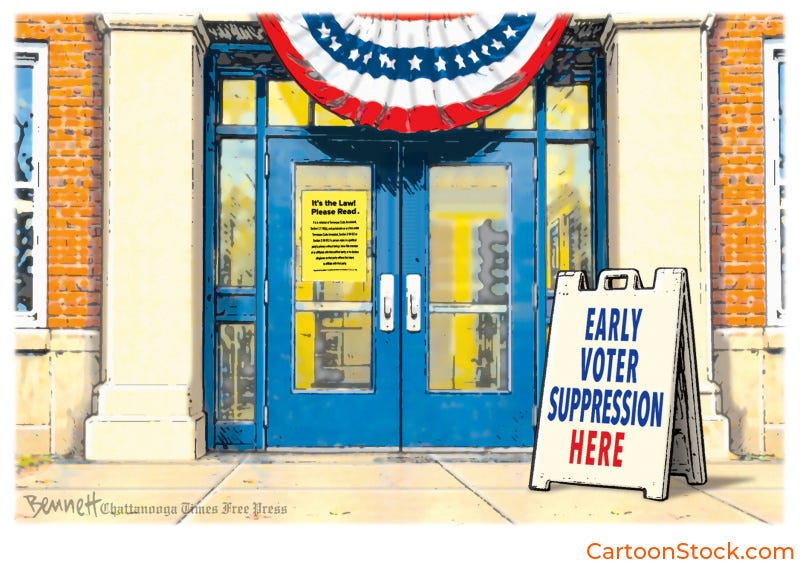
You can order this cartoon ☝️ or others like it, plus merch featuring cartoons, at CartoonStock.com.
The Trump admin has paid or is paying energy companies billions of dollars as reimbursement for canceling their offshore wind energy projects. This is stupidity raised to the hundredth power. Where are the sensible politicians in his own party who control Congress and could stop this waste of taxpayer money that will hurt us down the road? Ridiculous.
I believe we should just call Trump" I will screw it up sooner or later and, you can bet on it."Great article though and, thank you for that.Have a great day.