


THIS STUFF ACTUALLY HAPPENED:
The national debt hit $40 trillion. And it will eventually hit $50 trillion … and $60 trillion … and ….
It’s not news that the national debt is out of control. What would be news is if somebody did something about it. There are murmurs. Treasury Secretary Scott Bessent supposedly has a plan to turbocharge economic growth and pay down the debt. If so, what is he waiting for?
Other administration officials say President Trump plans to keep rolling out tariffs, and those import taxes will help lower the annual deficit. Okay, great, except tariffs stunt economic growth because they raise costs on everybody. Did anybody tell Bessent?
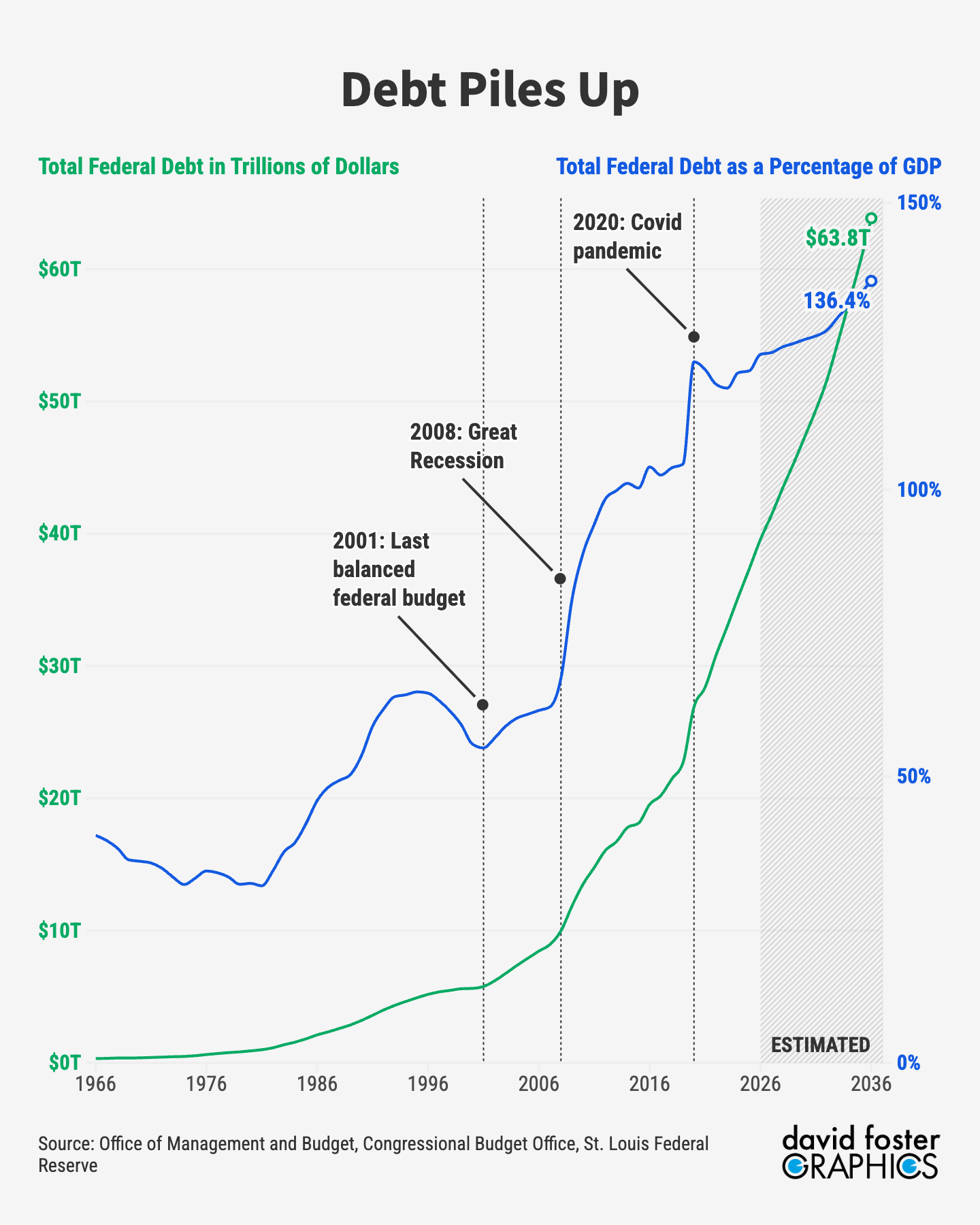
Up on Capitol Hill, meanwhile, lawmakers are “sounding the alarm” about the national debt, according to The Hill. That’s kinda funny, because those lawmakers are the same ones who have been cutting taxes, boosting spending, and generating all that debt in the first place. It makes one suspect they are not being completely sincere.
[Check out The Weekly Matterboard, Natalie Harp edition]
Does anybody remember the Simpson-Bowles Commission? Back in 2010, when the national debt was a mere $14 trillion, President Obama appointed a panel to make suggestions for stabilizing the national debt. The group’s roadmap called for eliminating most federal tax breaks for businesses and individuals, cutting spending, getting health care costs under control, raising the income threshold for the Social Security tax, and making a bunch of other changes.
Right, it never happened. But when there’s finally no choice but to deal with the debt, we’ll end up doing more or less what that Simpson-Bowles group recommended. Except everything will be 2x or 3x, since the national debt has tripled since then. Here’s the full report.
The debt crisis is finally arriving. Not because $40 trillion is some kind of tripwire, but because markets are struggling to absorb all the debt governments and corporations are flooding onto the market. The excess of debt is pushing interest rates higher and getting the attention of everybody who’s been worrying about this problem for years. The debt crisis won’t be an overnight cataclysm, but a slow-motion train wreck. Unfortunately, that means the politicians who caused the problem in the first place will probably be able to dither for a few more years.
More Trump fury. Trump said on social media that he’s targeting Iran with “the most crushing economic operation ever taken against any country.” The terrified Iranians read that post and immediately capitulated to every single Trump demand.
Ha. Of course they didn’t. Trump has become a paper tiger and everybody knows that if he can’t subdue Iran militarily, he certainly won’t be able to do it economically. The Islamic regime has faced western sanctions for decades and somehow managed to survive.
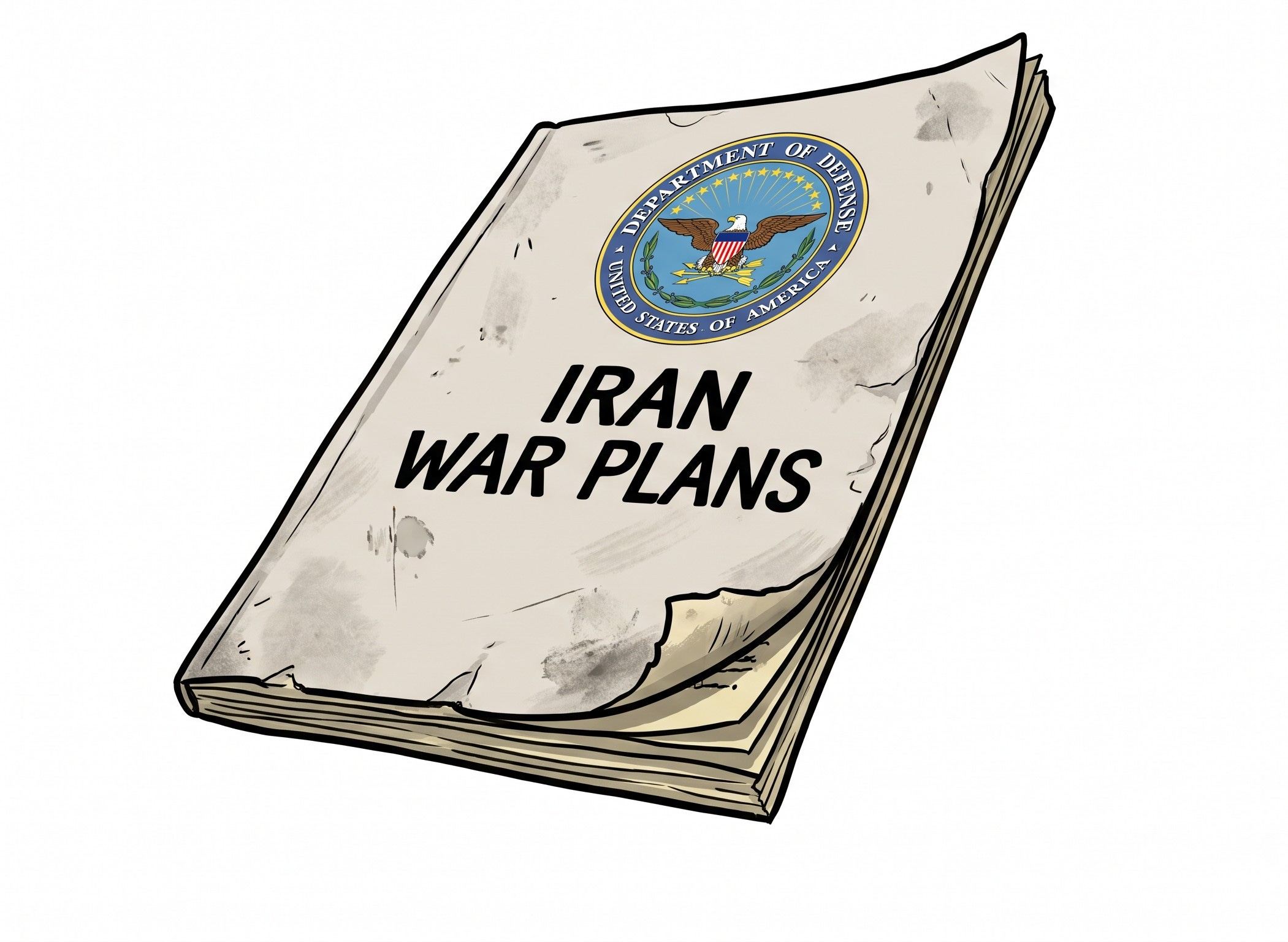
If you think Trump has a new strategy, recall that in May, he launched what the Treasury Dept. called “Operation Economic Fury.” So is the new scheme Economic Fury Pt. 2? Or are we at Pt. 5 or Pt. 6? Trump’s Iran war rebrands might eventually overtake The Fast and the Furious franchise in terms of silly sequels.
[Trump is missing his own economic targets]
What Trump ought to be paying attention to is American Fury. His Iran war has cost the average US household nearly $700 in higher costs for energy, food and other things. Trump’s approval rating is in free fall. “We’ve opened Pandora’s box,” Afshon Ostovar of the Naval Postgraduate School said on a recent podcast. “This is going to be a problem, I think, for months and maybe years.”
Trump 💖 Kim (still). Trump wants to meet again with his dictator-bro Kim Jong Un, the tyrant of North Korea. Nobody knows why, except that Trump seems like he is trying to punish South Korea for refusing to help with his Iran misadventure.

Trump has asked South Korea (and other countries) to send ships to help US forces negate Iran’s control of the Strait of Hormuz. None has agreed. Trump may have asked South Korea for other types of assistance, which he also didn’t get. Trump cites these grievances when explaining why he ordered the Pentagon to cut short joint US-Korean military exercises that have been an annual event for years.
Meeting with Kim would be a further insult to South Korea. North and South Korea are still technically in a state of war, even though there hasn’t been full-blown combat since the 1953 ceasefire went into effect. North Korea has thousands of artillery launchers aimed at Seoul, and could wreak havoc if hostilities ever resumed. Some 23,000 US troops are permanently stationed in South Korea as a deterrent against northern aggression.
South Korea and Japan are America’s most important allies in Asia. North Korea is a Russian ally with nuclear weapons that can reach California. There can be good reasons to engage with an adversary. Dissing your friends isn’t one of them. Kim hasn’t responded, so maybe he’ll play hard to get with his American suitor.
Bessent battles the bond market. The Treasury Dept. surprised markets on August 19 when it said it would double the amount of long-term bonds it purchases as part of normal financing operations. It didn’t say why, but Treasury Secretary Scott Bessent is clearly hoping to lower long-term interest rates such as those consumers and businesses pay on mortgages and most other types of loans.
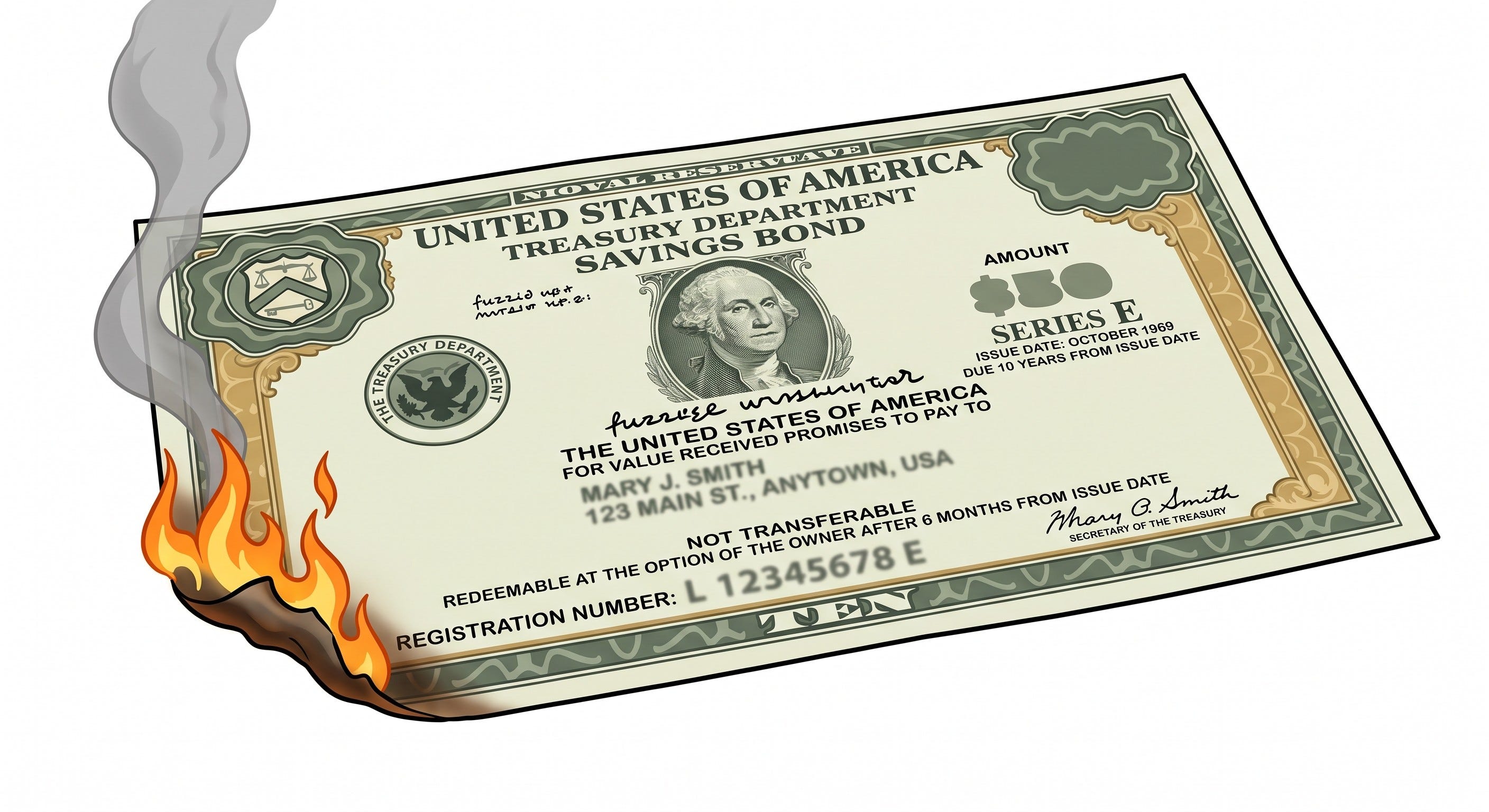
Rates have been rising since the beginning of the Iran war in February, and as we discussed above, the fiscal debt crisis finally seems to be materializing. It’s not just gads of government debt. Big companies are also issuing hundreds of billions of dollars in bonds to help finance the artificial intelligence buildout. An oversupply of bonds on the market means rates have to rise to coax enough investors to put their money into bonds instead of stocks or other assets.
[The myth of the prosperous worker]
Rates dropped back after the Treasury move. But economists doubt the gambit will have a lasting effect. “Treasury’s bond buybacks won’t work for long,” Joe Brusuelas, chief economist at RSM, wrote on August 20. “We expect traders to continue to push the benchmark 10-year Treasury yield higher.” He and others point out that Bessent is addressing the symptom—rising rates—rather than the cause, which is an annual federal deficit that now exceeds $2 trillion per year.
Can we live with higher rates? Sure. Rates right now are high compared with the modern era, which started during the Great Recession in 2008, when the Federal Reserve began deliberately lowering long-term rates. But if you go back further, rates are near historical averages.
The catch is that Americans have gotten used to cheap money and the benefits it brings. Higher rates, combined with a mountain of federal debt, would probably mean slower growth, fewer jobs, and lower living standards for millions. That’s what happens when you run up bills and finally have to pay them.
Enjoy a cartoon.
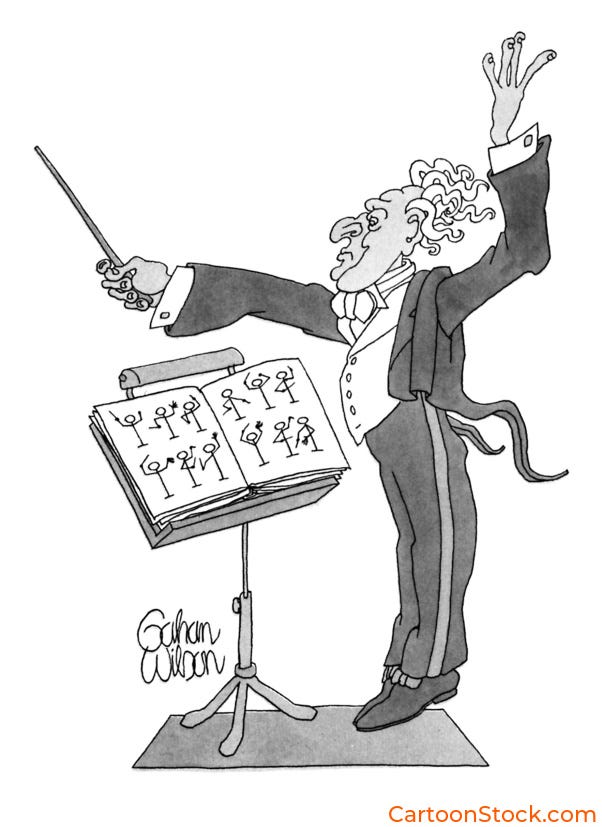
You can order this cartoon👆 and play cartoon-themed puzzles and word games at CartoonStock.com.
Isn’t Bessent trading new old debt with new debt?
The only people who will suffer from this kind of debt are the million's out there just trying to get by with their current debt.Most can not and it just gets worse. This President is a bad joke made worse by the people who put him there and, still back him.The real reason America is in this problem just like P.T. Barnum said "There is sucker born every second".