


If you’re not yet sick of hearing about the 2026 midterm elections, you probably will be soon. The American media overcovers politics (while undercovering mostly everything else) and this year they’ll crank it up to 11. President Trump’s combative antics will add even more drama to the battle for power taking place in the nation’s capital.
The midterms are obviously important. For most Americans, however, the stakes aren’t as high as much of the coverage will make it sound. We’ll report on the midterms here at The Pinpoint Press, but only on the real news likely to make a difference. Let’s start with five things worth paying attention to, now that Election Day is less than six months away:
Democrats will probably gain power, but their odds are slipping. President Trump’s approval rating has dropped below 40%, the best possible development for Democrats. The Iran war could still last for months, with gasoline prices well above $4 per gallon as voters prepare to go to the polls in the fall. You couldn’t script a better scenario for the opposing party to eject the incumbents.
The one thing working against Democrats, for now, is the redistricting arms race that seems like it might net Republicans a few seats in the House of Representative that they wouldn’t otherwise win. A lot could still happen, and that redistricting edge may not be decisive. But Democratic odds have declined after a couple recent court decisions went against them.
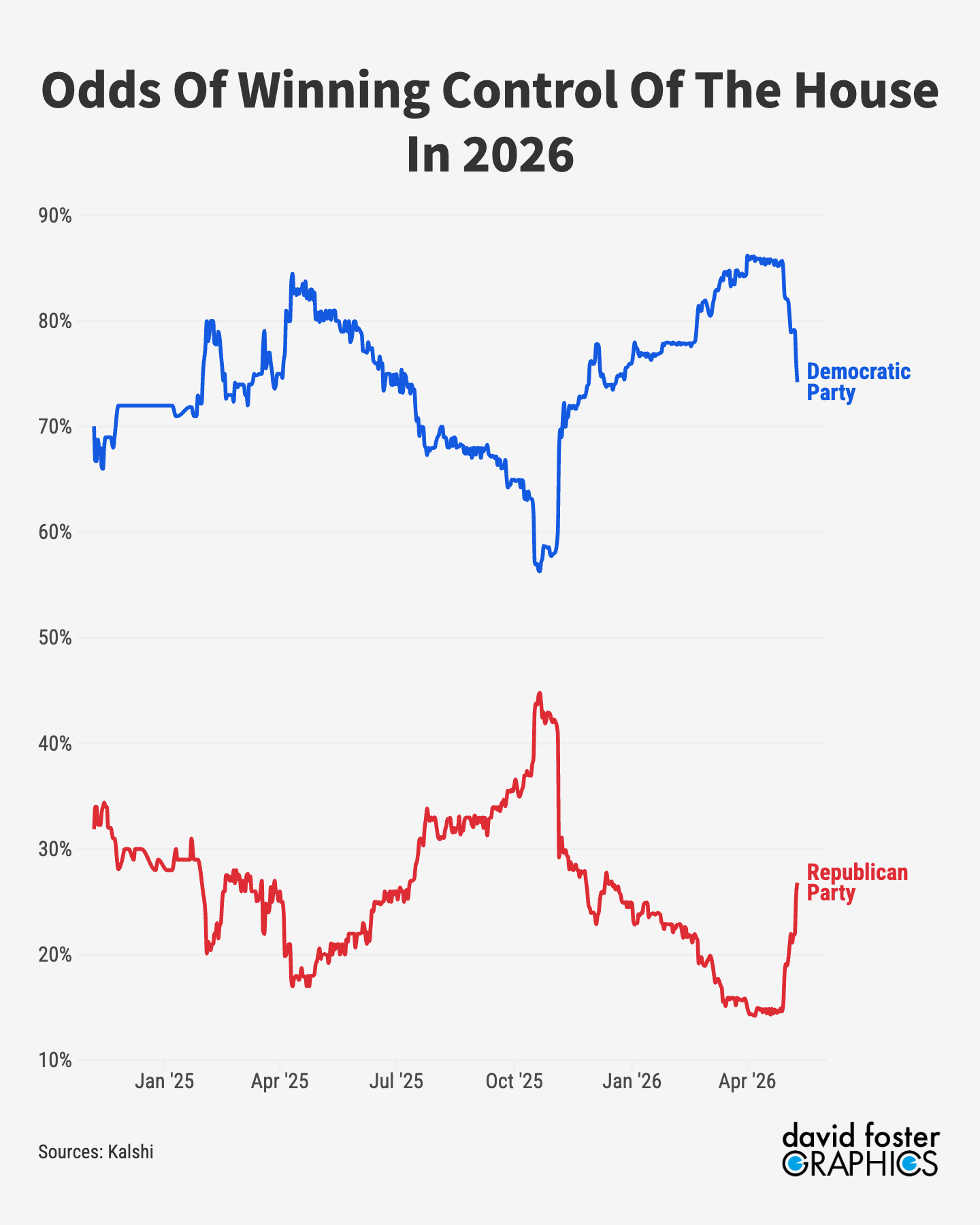
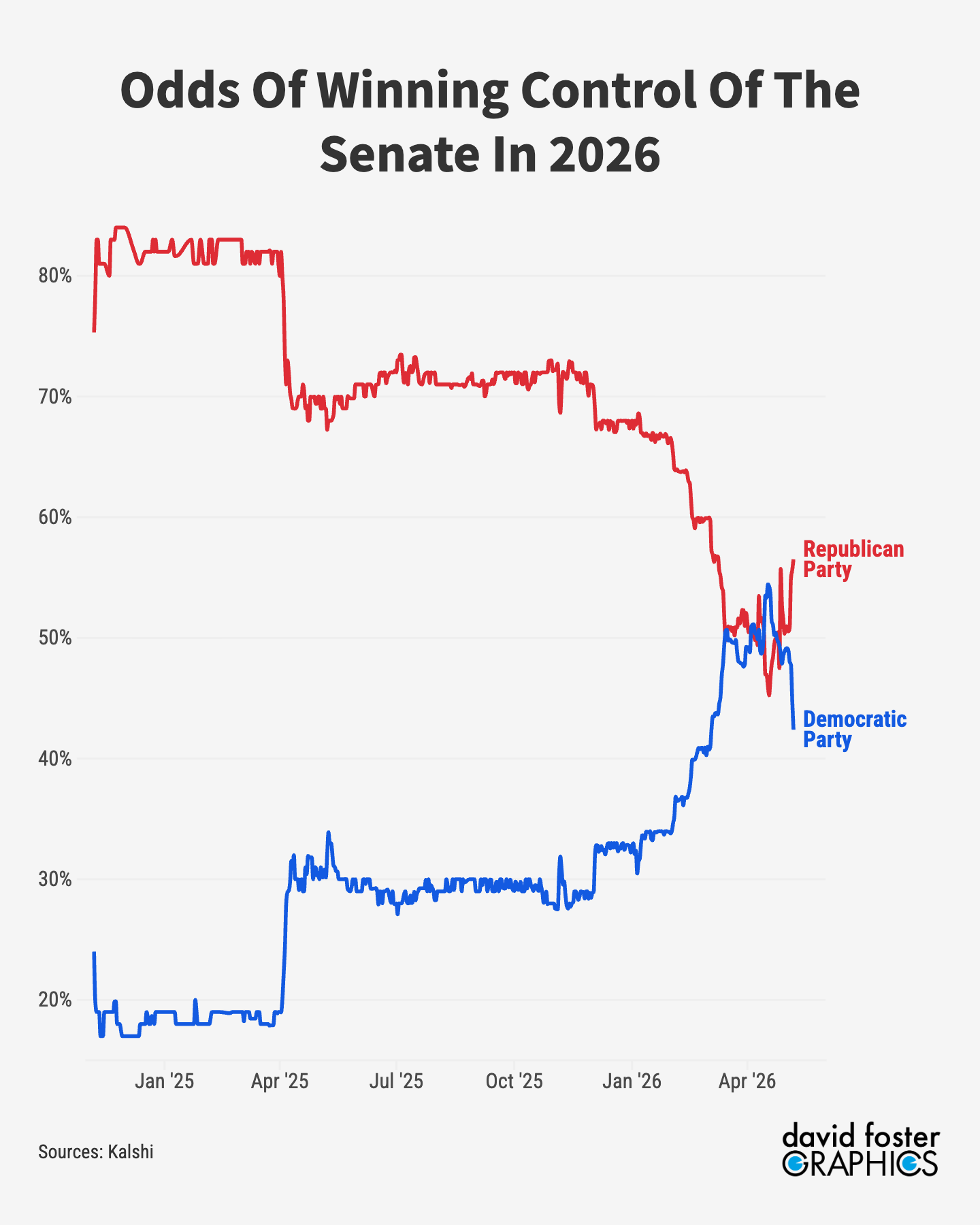
Prediction site Kalshi puts the odds of Democrats winning the House at around 74%, down from a high of 86% in early April. The Senate is closer, with Republicans slightly favored to maintain control, according to Kalshi.
There will be tons of chatter in coming months about whether Democrats will mount a “blue wave” that sweeps them into power in both houses with higher than usual margins for a midterm. It’s a fun parlor game for political geeks, especially those hoping Trump and his fellow Republicans take a beating. But the margins won’t matter all that much for most ordinary Americans.
If Democrats win the House, that’s all they’ll need to block Republican legislation through 2028, such as additional tax cuts or more funding for migrant roundups. Republicans already anticipate that happening.
If Dems win the Senate, it will be with a very small majority, possibly just a one-vote margin. They’d gain control over Trump Cabinet appointments, which would basically mean no more jackass picks such as Defense Secretary Pete Hegseth or FBI Director Kash Patel. Trump has already fired a couple of Cabinet officials, and he might axe a few more this year, so he can be sure of getting replacements through a friendly Senate in 2026.
With control of either House, Democrats are likely to launch right into oversight hearings on just about every Trump controversy. Jeffrey Epstein will never really die. Dems will probe Trump’s ballooning fortune as a president on the take. They’ll rake over agencies with the shiftiest Cabinet secretaries, take testimony on thuggish behavior by Trump’s immigration goons, and highlight abuses of prosecutorial power at the Justice Dept. A third impeachment proceeding against Trump is possible, though conviction in the Senate probably isn’t. Also watch for impeachment proceedings against the shadiest Cabinet appointees.
What Democrats won’t be able to do is pass partisan legislation of their own, since Trump would veto it. So while Democrats might get some satisfaction from running up the score in a blue wave and keeping Trump’s corruption in the headlines, they won’t have much luck enacting their own priorities until 2029, at the earliest.
If you do care about the horse-race aspects of the midterms, two good sources for following the action are the Cook Political Report and the Center for Politics at the University of Virginia. There are many others.
There’s no “affordability” action on the horizon. Not in Washington, DC, anyway. The only legislation Republicans might pass before the midterms are some funding bills and possibly a modest tax cut, which most people won’t notice. There’s nothing serious in the works to address the high cost of housing, health care, energy or food. Trump could actually make affordability worse. He’s still planning to roll out new tariffs in coming months, which would raise the cost of imports, all the way to you and me.
If Democrats win control of both houses, they might try to pass health care subsidies or other affordability measures next year, as a messaging exercise meant to tell voters what they stand for. Don’t get too excited. Dems won’t have the votes to override a Trump veto and they might not get organized enough to figure out what their message is, anyway.
The stock market outlook is pretty good, politically. The average gain in the S&P 500 index is 9% in the second year of a presidential term. The S&P is already up 7.4% for the year. If stocks cooled off for the next few months, that would be consistent with midterm election year trends.
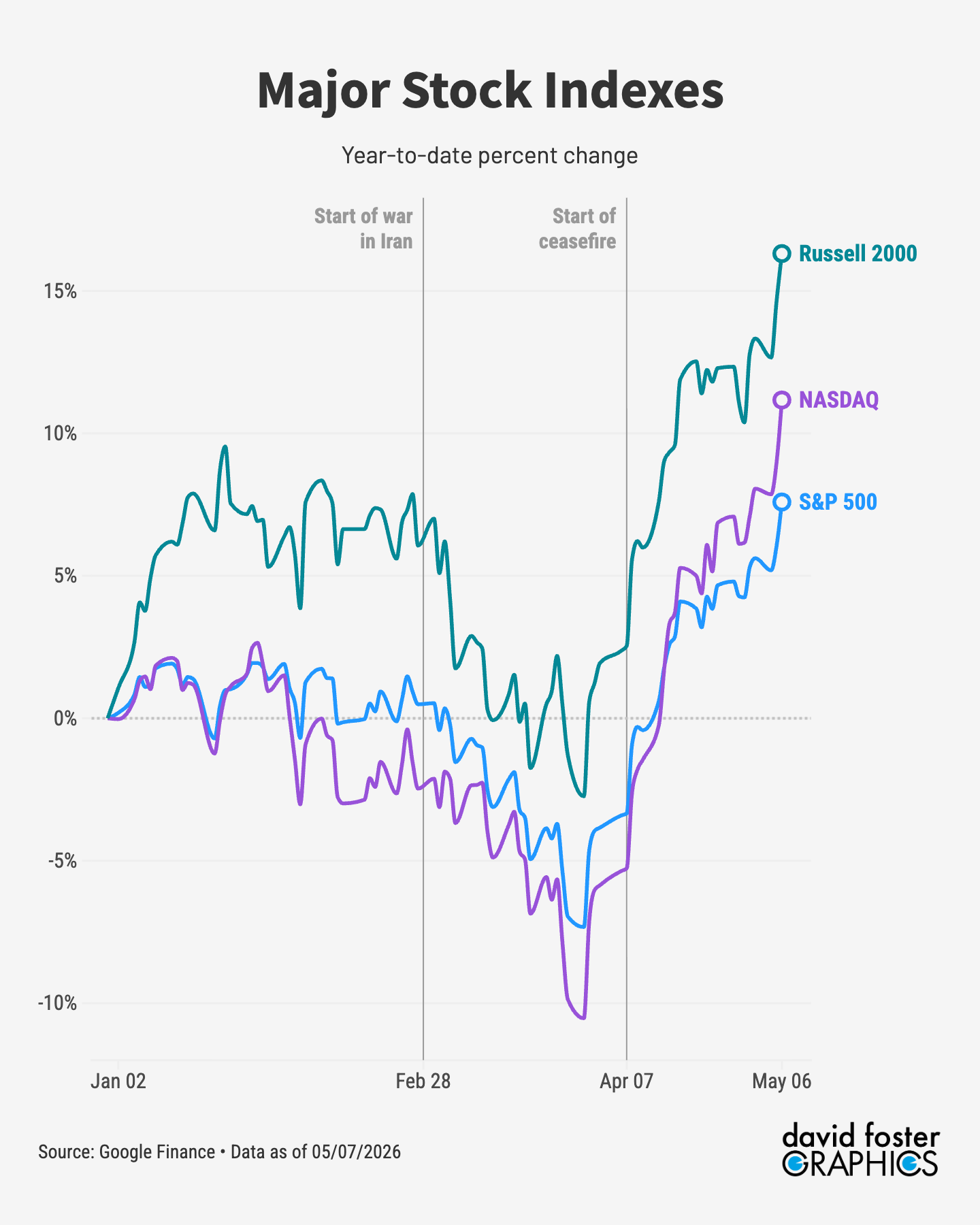
Morgan Stanley points out that political uncertainty tends to subdue risk-on trading in the months before a midterm election. But by the beginning of October, investors start to price in the likely outcome and look past the election, with stocks rising. Once the election is over, stocks rip, with an average gain of 22% in the 12 months following a midterm election.
This year could be different. The artificial intelligence boom has been generating outsized stock gains since the end of 2023. A big part of that has been torrid earnings growth, which is now double the historical average. AI fervor could overpower election effects, which tend to be temporary, anyway. It could also go the other way if there’s some big meltdown that suggests the AI trade has gotten ahead of itself.
If Democrats do win one or both Congressional houses, divided government will generate few big changes in government policy, which is generally good for stocks. While the energy crisis caused by Trump’s war with Iran has been a disaster, markets like Trump’s deregulatory bent, along with the lower tax rates he signed into law last year. Those policies will continue to goose stocks.
Trump will continue to threaten election interference. Trump thinks it’s funny to troll democracy. He “jokes” about being a king, says he may or may not leave when his term expires in 2029, and demands voting restrictions he thinks will help Republicans in November. The gerrymandering arms race that’s underway this year got started because Trump told allies in Texas to rig congressional districts in a way that would help Republicans gain five House seats. It’s safe to assume that Trump would steal the election, if he could.
The good news is, that will be hard. Nathaniel Rakich of Votebeat handicapped the risks of Trump rigging the midterms in a recent interview with the Silver Bulletin newsletter. Many safeguards are built into the system. States administer elections and the president can’t cancel them or tell states how to run them, though Trump may try. It’s also not clear that all the gerrymandering will help Republicans. Trump’s efforts to limit and discourage mail-in voting might also not help his cause.
More worrisome is the possibility Trump will try to send immigration agents or other federales to areas near certain polling places, to intimidate voters or election workers. Friendly red-state governors such as Greg Abbott of Texas could call out National Guard troops for the same purpose. Creating chaos in or near areas where there are tight elections might be a pretext for snatching or invalidating ballots. If there is a blue wave, a small number of irregularities may not matter. But if Democrats underperform—always possible!—and there's a tight race for control of the House, Trump meddling in a few close races could become momentous.
Trump is heading toward his lame-duck phase. Trump litigates everything, and orders his minions to litigate everything. So there will be lawsuits over the midterm election results. The most likely outcome is that courts hold the line, as they did in 2020, the first time Trump tried to overturn an election. You’ll know there’s a problem if I start to post an exploding head emoji at the top of every dispatch I send. 🤯
Normal presidents curtail their domestic policy ambitions and focus more on foreign affairs once they hit lame-duck status. Trump seems less likely to go quietly. He still seems determined to enact more tariffs, and might feel unrestrained once he doesn’t have to worry about angry voters and all their kvetching about affordability. He’s ordered military action in seven nations so far during his second term, and it’s not clear his misadventures in the Hormuz Strait have taught him restraint. Plus, Trump thrives on conflict, whether he has laws to sign or not.
Divided government might generate gridlock, but it won’t provide any respite from the madness.
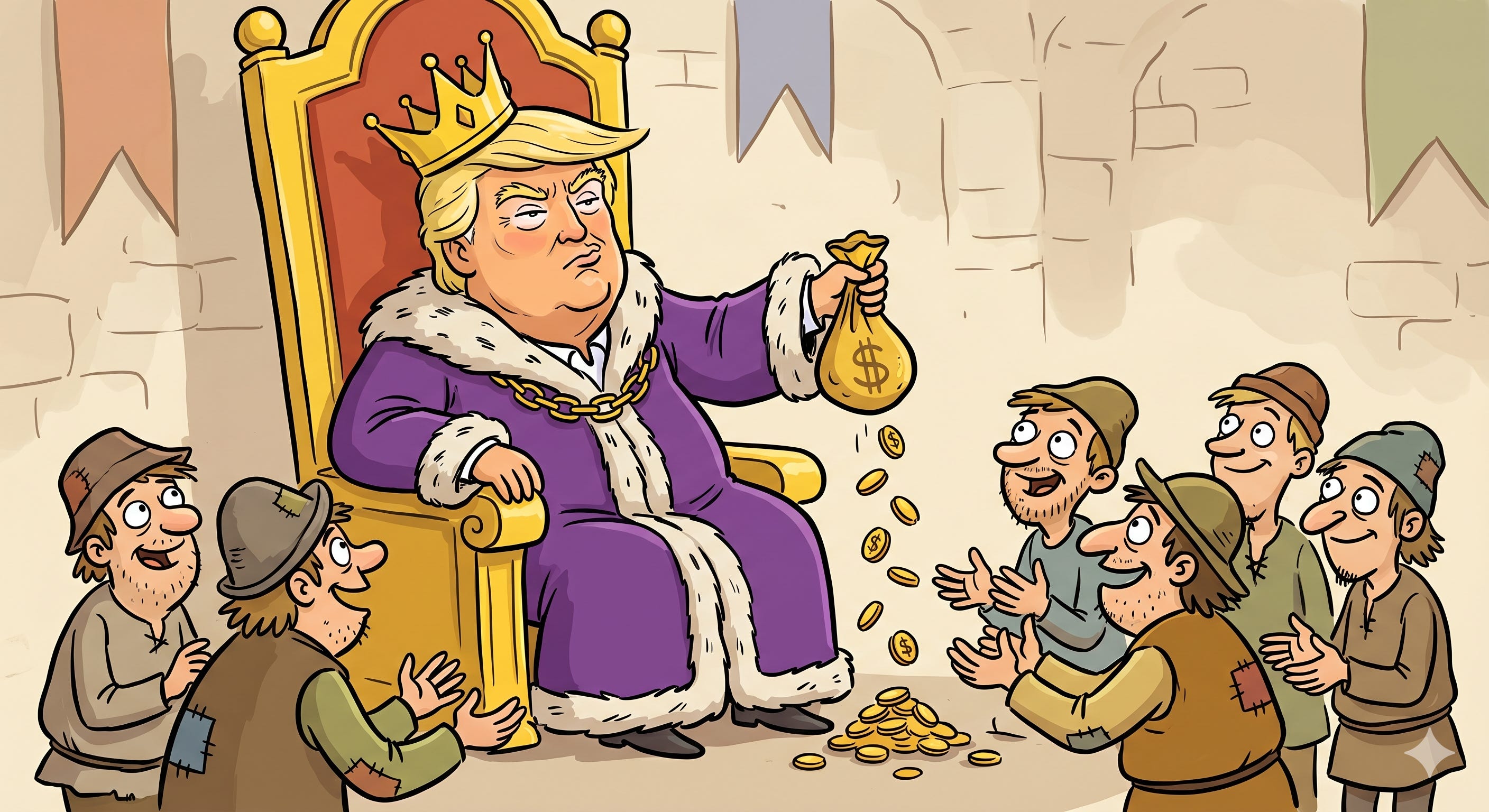
Enjoy a cartoon.
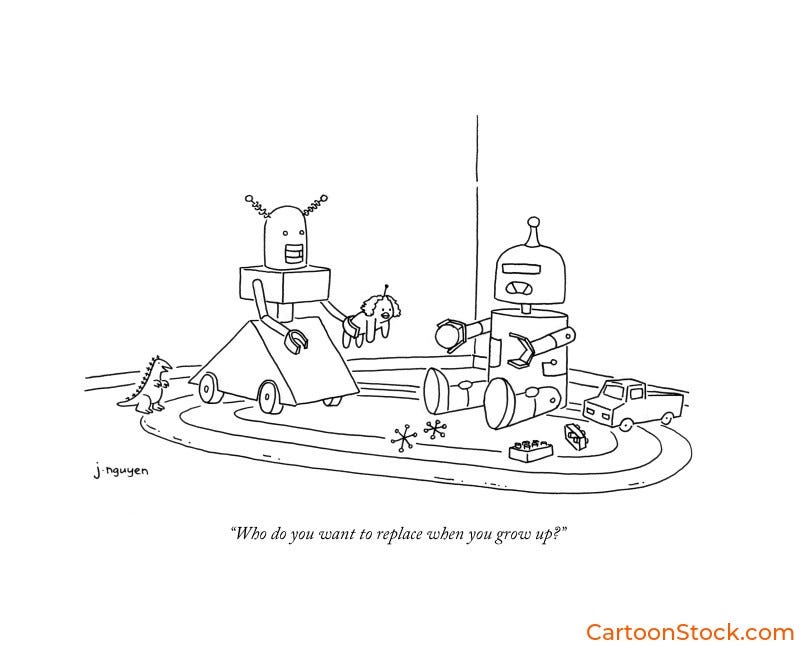
You can order this cartoon ☝️ or others like it, plus merch featuring cartoons, at CartoonStock.com. They have Mother’s Day gifts!
I am sure the cook report is good for unbiased news but, get my news from Substack. I like what Rick has going on here so i will stick with that . If i was not quite so old i would try to get more involved but, at this time i do not think i can.Anyhow what you said about Trump i think is dead on.God Bless!
Loved the cartoon, though it's too real for comfort (for the sake of the next generation, not for old(er) farts like me).
Hope your headlines do not necessitate more than one or two 🤯 emojis this election season. Heaven help us!
The stock market's mid-term "magic" has been well borne out by a few decades of history, but let's hope the Iran war (and other stuff beyond the horizon right now) doesn't deal a blow to that effect this time.